
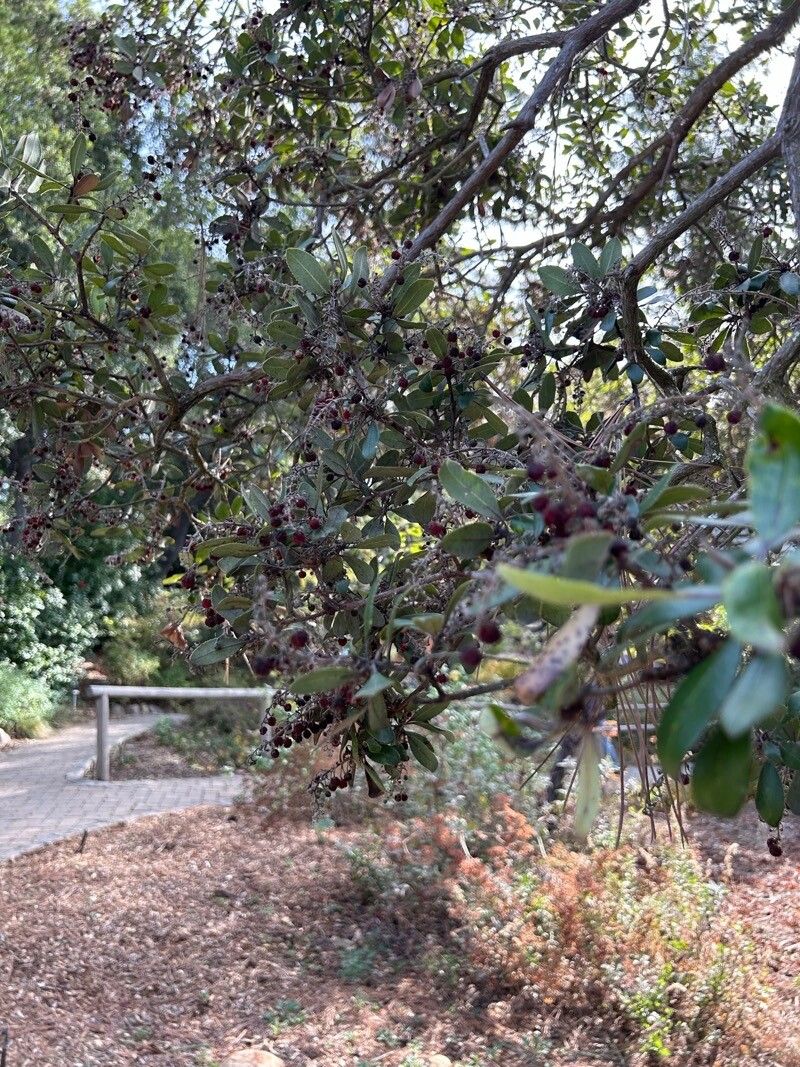
Unlocking the Secrets of Manzanita Propagation: Bringing the Beauty of Comarostaphylis diversifolia Home
For those seeking a touch of the California wilderness, the allure of Manzanita (Comarostaphylis diversifolia) is undeniable. This captivating shrub boasts a unique, strikingly beautiful form, captivating red bark, and delicate, bell-shaped flowers. However, finding young plants can be challenging, leading many to wonder: can they propagate Manzanita themselves? The answer, thankfully, is yes! This blog post will equip you with the knowledge and techniques needed to grow your own Manzanita from cuttings, unlocking the secrets of this remarkable species.
The Art of Manzanita Propagation: A Beginner’s Guide
Manzanita propagation is most successful through softwood cuttings, taken during the growing season. Here is a step-by-step guide to encourage the development of healthy new plants:
Timing is Key: The ideal time for taking cuttings is from late spring to early summer, just as the new growth has matured. Look for stems that are firm but still pliable.
Choose Your Cuts: Select healthy, non-flowering stems, approximately 4-6 inches long. Make a clean cut below a node (the point where leaves grow) using sharp pruning shears or a knife.
Prepare Your Cuttings: Remove the lower leaves from the stem, leaving only 2-3 leaves at the top. This reduces water loss and focuses energy on root development.
Root Hormone Boost: Dip the cut end of the stem in a rooting hormone powder or gel. This provides an extra boost to encourage root growth.
Planting Time: Carefully plant your cuttings in a well-draining potting mix, ensuring that the bottom node is buried 2-3 inches deep. The soil should be moist but not saturated.
Provide Ideal Conditions: A mini greenhouse or a propagation dome with consistent humidity is crucial. Place the cuttings in a bright spot, but out of direct sunlight, maintaining a temperature around 70-75 degrees Fahrenheit. Mist the cuttings regularly to keep the potting mix moist.
- Patience is a Virtue: Rooted cuttings should emerge in about 6-8 weeks, but patience is key. Once new growth is visible, you can begin gradually acclimating the plants to outdoor conditions for a few hours daily.
Beyond the Basics: Challenges and Tips
While Manzanita propagation is relatively straightforward, there are a few challenges to keep in mind:
- Soil Drainage: Manzanita thrives in well-draining soils that prevent root rot. Ensure your potting mix allows water to drain freely.
- Sunlight: While Manzanita prefers dappled sunlight to full sun, finding the sweet spot in your garden is crucial. Too much sun can dry out the sensitive cuttings.
- Watering: Avoid overwatering, as this can lead to root rot. Check the soil moisture and water only when the top inch feels dry.
The Rewards of Propagation
Successfully propagating Manzanita offers several rewards, going beyond the sheer beauty of a new plant:
- Personal Connection: Growing a plant from a cutting fosters a personal connection to the plant and its journey.
- Preserving Species: By propagating Manzanita, you are actively helping to conserve this unique and beautiful species.
- Gift Giving: Sharing your Manzanita propagation successes with friends and family is a wonderful way to share your appreciation for this remarkable plant.
Embark on your Manzanita propagation adventure today! With these tips and a touch of patience, you can enjoy the enchanting beauty of Manzanita in your own garden.