
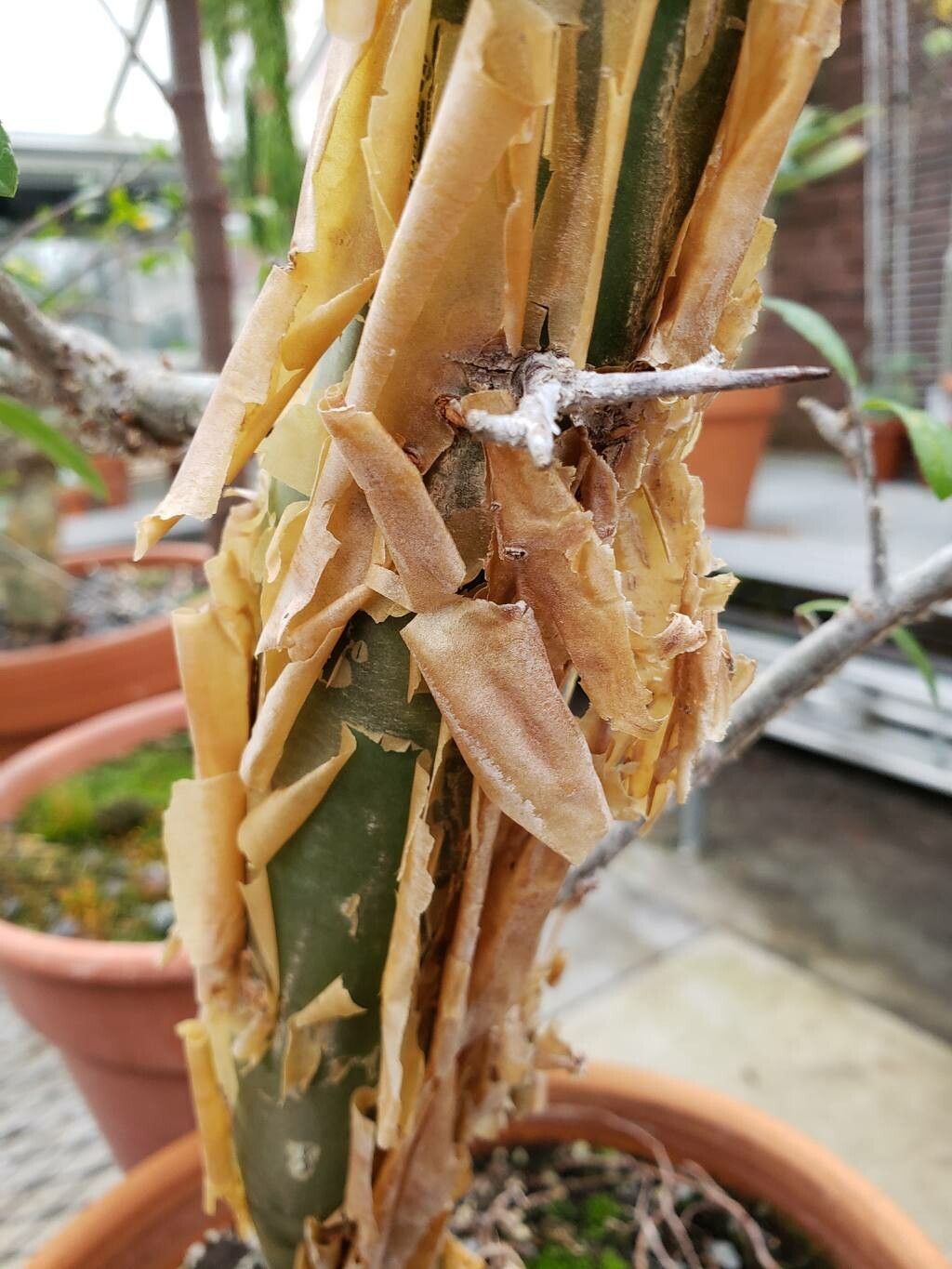
Taming the Wild Heart: Propagating the African Myrrh (Commiphora africana)
The African myrrh (Commiphora africana), a resilient tree whispering tales of ancient trade routes and traditional remedies, is a fascinating addition to any plant lover’s collection. While its drought tolerance and unique beauty are alluring, propagating this African native may seem like a daunting task. Fear not! With a bit of patience and the right knowledge, you can bring new life to this ancient species.
Two Paths to Growth: Seeds and Cuttings
Like many plants, Commiphora africana offers two primary methods of propagation:
Seeds: These tiny capsules hold the promise of a new generation. Collecting seeds from mature fruits (small, reddish-brown berries) is your starting point. However, germination can be tricky. Scarifying the seeds, gently nicking the outer layer, can significantly increase your success rate. Sow the scarified seeds in a well-draining potting mix, keeping them consistently moist but not waterlogged. Patience is key as germination can take several weeks or even months.
- Cuttings: This method offers a faster route to a new plant. Choose healthy, semi-mature stems, ideally in spring or early summer. Make a clean cut just below a node and remove any leaves from the lower portion of the cutting. It’s highly recommended to dip the cut end in rooting hormone to encourage root development. Plant the cutting in a well-draining potting mix and keep it consistently moist. Within a few weeks, you should start to see new growth, a sign that your cutting has successfully rooted.
Nurturing the Young saplings:
Whether you choose seeds or cuttings, caring for your young Commiphora africana remains crucial for successful propagation. Here are some tips for success:
- Light: Provide your young plants with bright, indirect light. While they can tolerate some direct sunlight, scorching can be an issue, especially for young plants.
- Water: Overwatering is the enemy! These plants are remarkably drought-tolerant and prefer their soil to dry out completely between waterings.
- Temperature: Mimicking their native habitat is key. These plants prefer warm temperatures and struggle in cold drafts. Protect them from extreme temperature fluctuations.
- Patience: Don’t be discouraged if your Commiphora africana doesn’t take off immediately. This species is known for its slow growth rate. Be patient, give it proper care, and you’ll be rewarded with a beautiful and unique addition to your plant family.
Reaping the Rewards:
Propagating your own Commiphora africana is a rewarding experience. Not only will you have successfully brought new life into your home, but you’ll also have a deeper appreciation for this unique and ancient plant. As your sapling grows, remember to provide it with the same care and attention, offering well-draining soil, infrequent waterings, and a warm, sunny spot. With a little luck and a lot of love, your Commiphora africana will thrive, reminding you of the wild heart of Africa beating within your own home.