
Propagating Commiphora madagascariensis: A Guide to Cultivating Madagascar Myrrh
Introduction
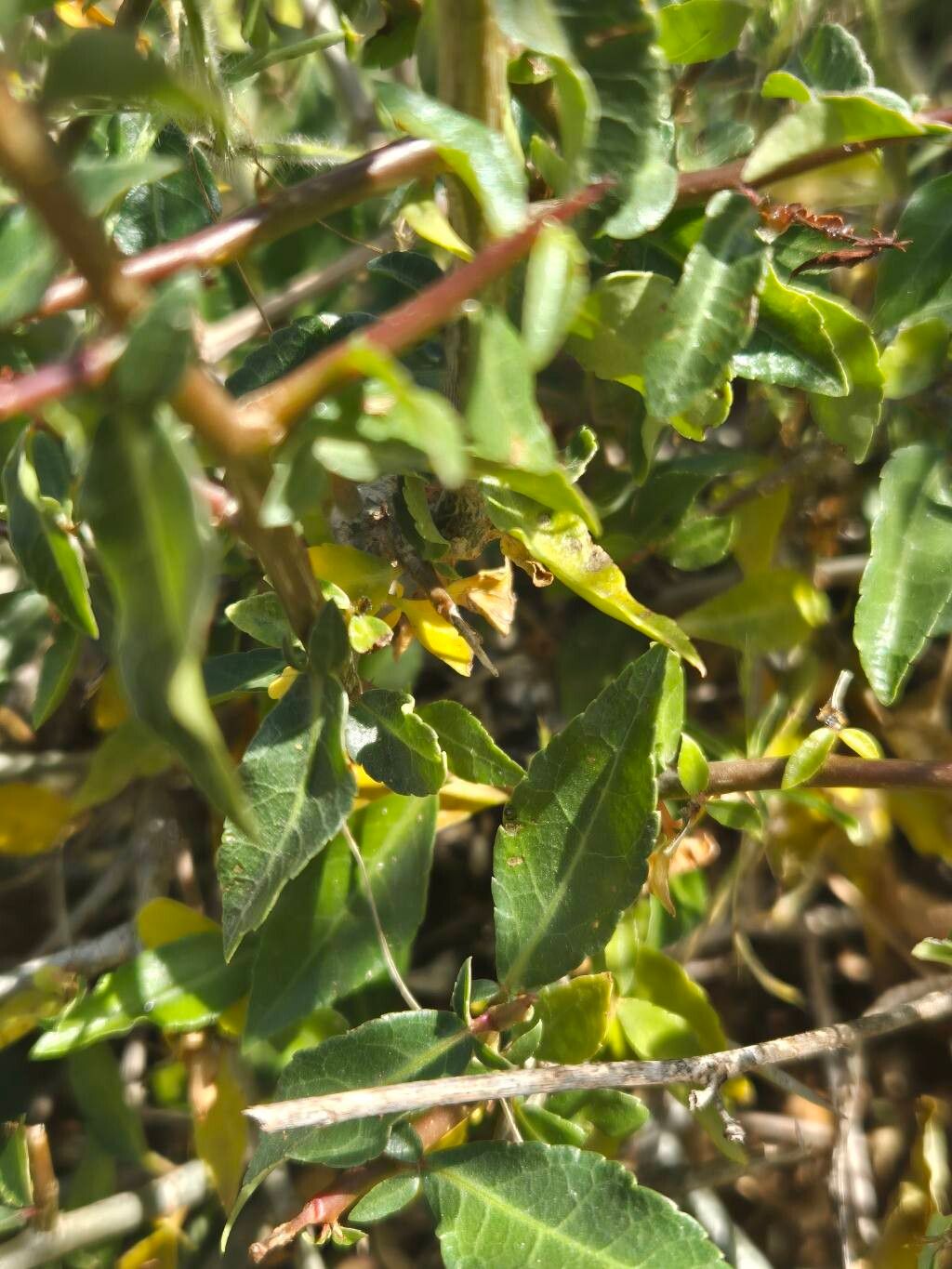
Commiphora madagascariensis, commonly known as Madagascar myrrh, is a captivating succulent shrub native to, as its name suggests, Madagascar. Characterized by its spiny branches, aromatic resin, and attractive, often grey-green foliage, it holds a growing appeal among succulent enthusiasts. Its unique appearance and the potential to harvest its fragrant resin add to its horticultural significance. However, propagating this species can present challenges, making successful cultivation all the more rewarding. While its propagation isn’t widely documented, exploring various methods can help unveil the best approach for successful establishment.
Seed Germination
Currently, there are no known reliable methods for seed germination propagation of Commiphora madagascariensis. While seed viability may vary depending on the source and freshness of the seed, germination trials have proven largely unsuccessful. Further research is needed to determine if specific pre-treatments (such as scarification or stratification) could improve germination rates. The potential reward of genetic diversity from seed propagation remains an incentive for future investigation.
Cuttings
Cuttings offer a more promising avenue for propagating Commiphora madagascariensis.
Challenges: Success with cuttings depends on several factors, including the timing (taking cuttings during the active growth phase is crucial), the use of rooting hormone, and maintaining appropriate humidity and temperature levels. The slow growth rate of the plant can also prolong the rooting process.
Practical Tips: Semi-hardwood cuttings, taken in spring or early summer, show the most potential. Allow cuttings to callous over for a few days before planting in a well-draining succulent potting mix. The use of a rooting hormone significantly increases the chances of success. Maintaining high humidity (e.g., using a humidity dome or propagator) is essential.
Rewards: Cuttings offer a relatively quick way to produce genetically identical plants to the parent plant, ensuring that desirable traits are preserved. This method is suitable for both small-scale and larger-scale propagation, especially for maintaining prized cultivars.
Division
Division is not a practical method for propagating Commiphora madagascariensis. This species typically develops a single, main stem with branching, rather than forming multiple, independent stems that readily separate for division. Therefore, this method is not recommended.
Tissue Culture
Tissue culture presents another possibility, although it requires specialized equipment and techniques.
Challenges: Establishing sterile conditions and developing appropriate culture media are vital for successful tissue culture. This method demands expertise and investment in laboratory facilities. The slow growth habit of the plant might also pose a challenge in maintaining cultures.
Practical Tips: Research into suitable media formulations and growth regulators is crucial for optimizing shoot proliferation and root formation.
Rewards: Tissue culture offers the potential for large-scale propagation of genetically uniform plants, the elimination of disease, and the preservation of rare or endangered genotypes. However, it is the most expensive and complex method.
Conclusion
Propagating Commiphora madagascariensis presents a unique set of challenges. While seed germination currently seems unfeasible, cuttings offer a viable, though potentially slow method for home propagators. Tissue culture offers potential for large-scale propagation but requires specialized knowledge and equipment. The rewards – cultivating this fascinating and aromatic plant – are substantial. The patience required and the eventual success in growing this unique species, from a small cutting to a mature plant, offers a deeply satisfying experience, emphasizing the profound connection between cultivator and cultivated. Aspiring propagators should embrace the learning process and remember that persistent experimentation, meticulous care, and a healthy dose of patience will unlock the secrets of successfully cultivating Madagascar myrrh.