
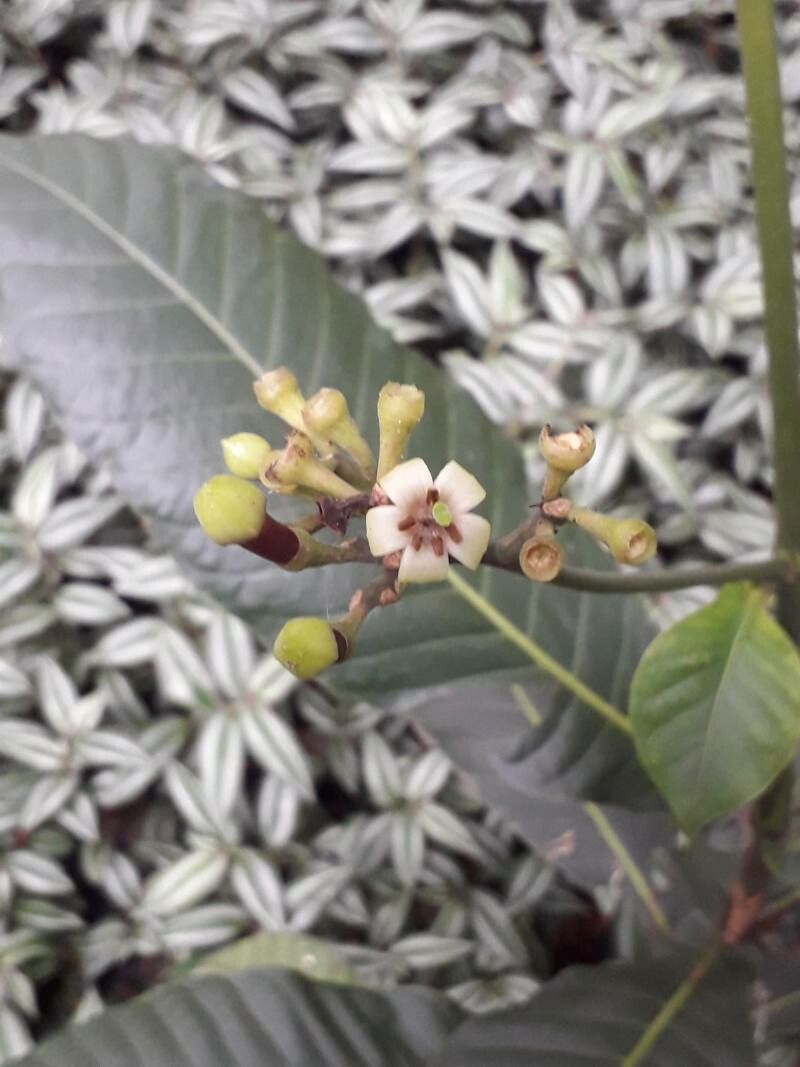
Unlocking the Secrets of the Magic Flower: Propagating Condaminea corymbosa
The Condaminea corymbosa, also known as the “Magic Flower” or “Quina Blanca,” is a captivating tropical plant native to the Andean cloud forests. Treasured for its vibrant, snowball-like clusters of white flowers and glossy, evergreen foliage, this botanical beauty is a sight to behold. But its beauty isn’t its only allure – Condaminea corymbosa is also steeped in traditional medicinal uses, adding another layer of intrigue to its already captivating persona.
If you’re eager to welcome this fascinating plant into your own space, you might be wondering about the best ways to propagate it. While Condaminea corymbosa can seem somewhat elusive in cultivation, with a little patience and the right techniques, you can increase your chances of success.
The Two Paths to Propagation:
1. Seeds: A Test of Patience and Skill
Propagating Condaminea corymbosa from seeds is considered the more challenging route, often favored by experienced gardeners looking for a rewarding endeavor. Here’s how to venture into the world of seed propagation:
- Sourcing Seeds: Due to the plant’s specific habitat requirements, finding viable seeds can be tricky. Look for reputable online vendors specializing in rare or tropical plants.
- Sowing the Seeds: Use a well-draining seed-starting mix and sow seeds on the surface, lightly pressing them in. Mist the soil generously and cover the tray with a humidity dome or plastic wrap to mimic a humid environment.
- Patience is Key: Seed germination can be erratic and may take several weeks or even months. Maintain consistent moisture, warmth (around 70-75°F), and indirect light throughout the germination period.
2. Stem Cuttings: A More Reliable Approach
For a higher success rate, stem cuttings are the preferred method for propagating Condaminea corymbosa, even for those with less gardening experience:
- Timing is Everything: Take cuttings in spring or early summer when the plant is actively growing.
- Choosing the Right Cuttings: Select healthy, non-flowering stems that are around 4-6 inches long. Make a clean cut just below a leaf node.
- Preparing the Cuttings: Remove the lower leaves, leaving 2-3 pairs at the top. Dip the cut end in rooting hormone (optional but recommended).
- Potting Up: Plant the prepared cuttings in a well-draining potting mix. Keep the soil consistently moist but not waterlogged.
- Creating a Humid Environment: Cover the pot with a clear plastic bag or use a humidity dome to maintain moisture. Place the pot in a warm location with bright, indirect light.
Nurturing Your New Plants:
Whether you’ve chosen the seed or cutting route, once your Condaminea corymbosa propagules show signs of growth and have developed a robust root system, it’s time to transplant them into individual pots.
Key Considerations for Success:
- Well-Draining Soil: This plant thrives in loose, well-draining soil that mimics its natural cloud forest habitat.
- Filtered Light: Place your Condaminea corymbosa in a spot with bright, indirect light. Avoid direct sunlight, which can scorch the leaves.
- Consistent Moisture: Maintain consistent moisture levels but avoid overwatering. This plant appreciates slightly moist soil, but waterlogged conditions can lead to root rot.
Propagating Condaminea corymbosa is an enriching experience for plant enthusiasts. While it requires patience and a gentle touch, seeing new life emerge from seeds or cuttings is a truly fulfilling reward. With the right knowledge and these tips in your arsenal, you can increase your chances of successfully cultivating this captivating tropical beauty in your own home.