
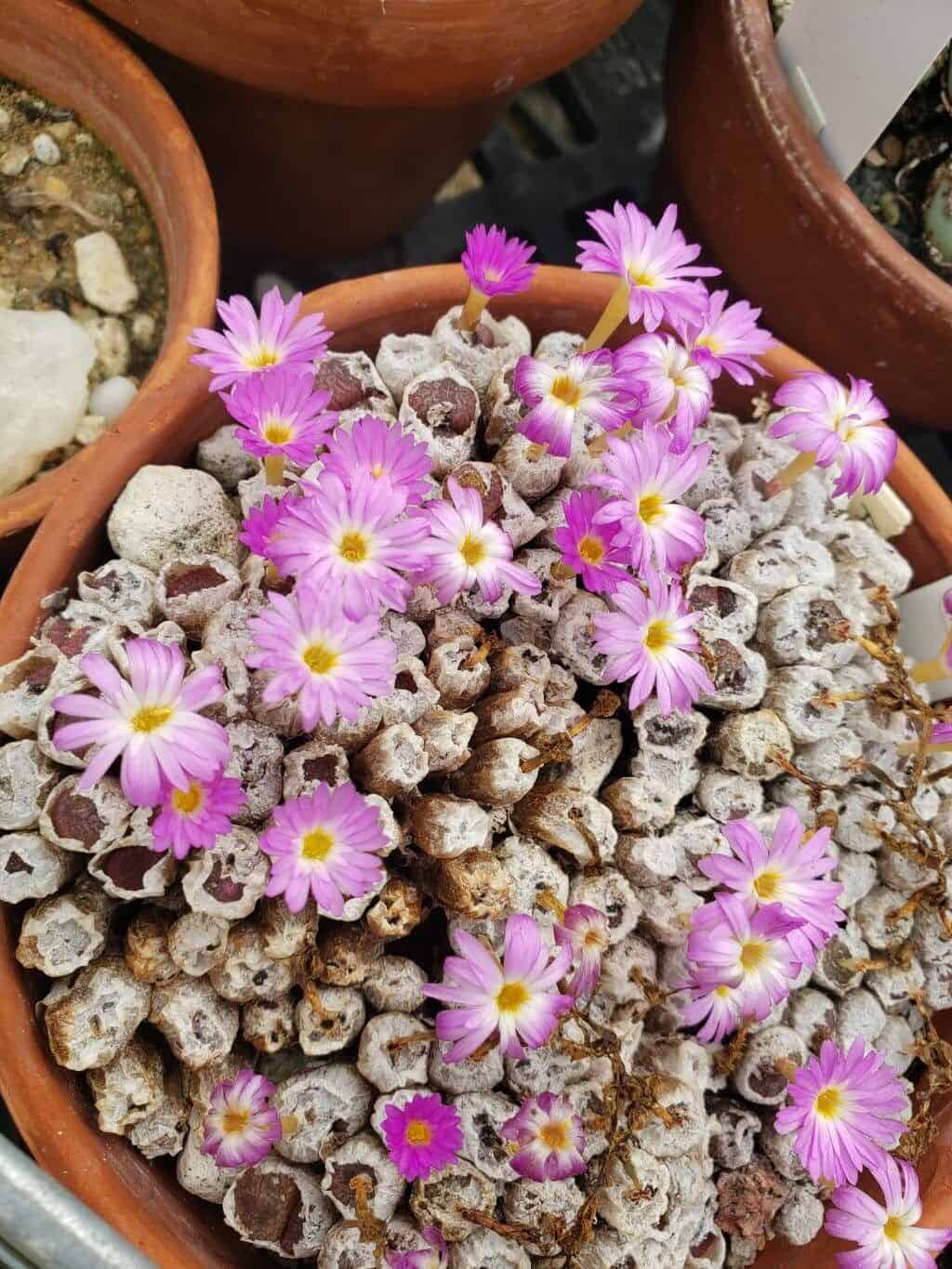
Unlocking the Secrets of Conophytum Ectypum Propagation: A Beginner’s Guide to Multiplying These Mesmerizing Miniature Succulents
Conophytum ectypum, with its otherworldly appearance and captivating blooms, has charmed succulent enthusiasts worldwide. These tiny plants, also known as "living pebbles" or "button plants," add a unique touch to any collection. If you’re ready to expand your Conophytum family, you’re in luck! Propagating them is an exciting and rewarding endeavor. This guide will equip you with the knowledge and techniques to successfully multiply your Conophytum ectypum collection.
Understanding the Life Cycle:
Before we delve into propagation, it’s crucial to understand the unique life cycle of Conophytum ectypum. These plants hail from arid regions of South Africa and have adapted a fascinating growth pattern. They undergo a period of dormancy during the hot summer months, essentially "disappearing" beneath the soil surface. In the fall, they burst back to life, producing new bodies (pairs of fused leaves) within the old ones. This understanding is key for successful propagation.
Methods of Propagation:
1. Seed Propagation:
- Timing: Sow seeds in late summer or early fall when the plants are naturally breaking dormancy.
- Process: Use a well-draining seed-starting mix. Sprinkle seeds on the surface and barely cover them with a thin layer of fine gravel or sand.
- Care: Keep the soil consistently moist until germination, which can take several weeks. Provide bright indirect light and maintain a temperature around 70-75°F (21-24°C).
- Patience is Key: Seed-grown plants can take a few years to reach maturity and bloom.
2. Division:
- Best Time: Divide Conophytum ectypum clumps during their active growth period in the fall or early winter.
- Process: Gently remove the plant from its pot and carefully separate the individual bodies or clumps. Ensure each division has some roots attached.
- Repotting: Plant the divisions in a well-draining soil mix, ensuring the top of the plant is level with the soil surface.
- Watering: Water sparingly until new growth appears.
Tips for Success:
- Well-draining Soil: Choose a specialized succulent or cactus mix or create your own using a blend of potting soil, perlite, and coarse sand.
- Pot Size: Opt for shallow pots with drainage holes to prevent waterlogging. Conophytum ectypum prefers to be slightly rootbound.
- Watering Wisely: Water thoroughly when the soil is completely dry, allowing excess water to drain away. Overwatering is the most common reason for Conophytum failure.
- Light Requirements: Provide bright, indirect light. Avoid direct sunlight, especially during the hottest hours of the day, as it can scorch the delicate leaves.
- Dormancy Period: During summer dormancy, reduce watering significantly and allow the plants to dry out completely.
Conclusion:
Propagating Conophytum ectypum is a rewarding journey that allows you to expand your collection and appreciate the fascinating life cycle of these captivating plants. By understanding their unique needs and following these propagation techniques, you’ll be well on your way to cultivating a thriving miniature succulent garden. So, embrace the challenge and enjoy the rewards of propagating these intriguing "living pebbles."