
Unlocking the Secrets of Conophytum Fulleri Propagation: A Beginner’s Guide
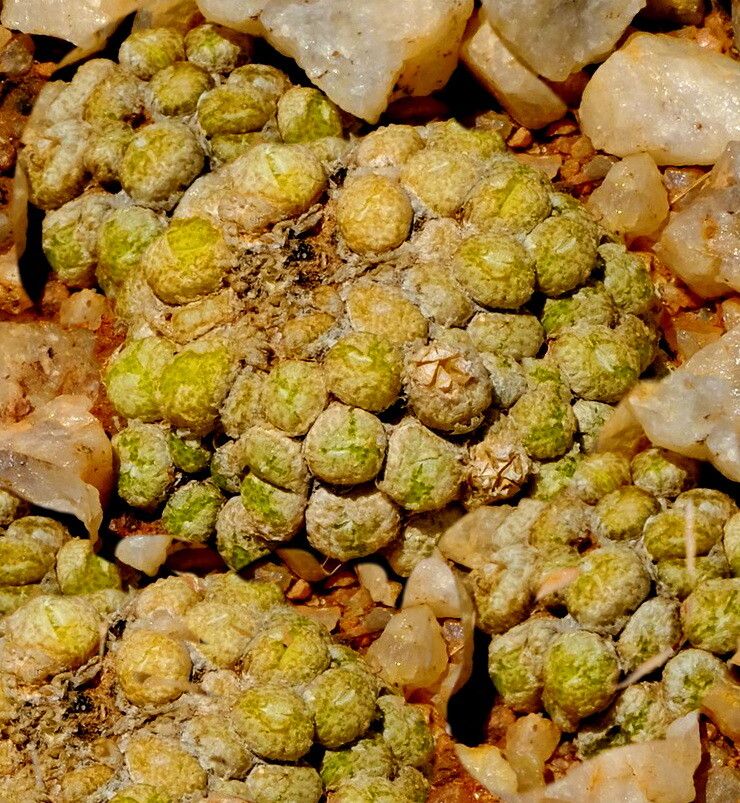
Conophytum fulleri, with its plump, stone-like leaves and vibrant pink-purple flowers, is a delightful addition to any succulent collection. But did you know that propagating these little wonders is a rewarding experience even for beginners? Let’s delve into the fascinating world of Conophytum fulleri propagation and uncover the secrets to multiplying your collection.
Understanding the Conophytum Fulleri Lifecycle:
Before diving into propagation, it’s essential to grasp the unique lifecycle of Conophytum fulleri. They experience a distinct period of dormancy during the hot summer months. In fall, new growth emerges from within the old leaf pairs, eventually splitting them open, a process charmingly called “shedding its skin.” This understanding is crucial for successful propagation.
Propagation Methods:
- Timing is Key: Sow seeds in late summer or early fall when temperatures are cooler.
- Well-Draining Mix: Use a seed-starting mix specifically formulated for succulents or cacti.
- Surface Sow & Mist: Sprinkle seeds on the soil surface and mist lightly. Avoid burying them.
- Patience is a Virtue: Germination can take several weeks to months. Be patient and provide consistent moisture.
- Vegetative Propagation (Cuttings):
- Ideal Time: Take cuttings in the fall or early spring when the plant is actively growing.
- Sharp, Clean Tool: Use a sterilized blade or knife to make clean cuts.
- Let it Callus: Allow the cut end of the cutting to dry and callus over for a few days.
- Plant & Water: Place the callused cutting on top of a well-draining potting mix and water sparingly. Roots will develop from the cut end.
Tips for Success:
- Bright, Indirect Light: Provide plenty of bright, indirect sunlight for both seedlings and cuttings. Avoid direct scorching sun.
- Watering Wisely: Water sparingly, allowing the soil to completely dry out between waterings. Overwatering is the biggest enemy of Conophytum fulleri.
- Don’t Disturb Dormant Plants: Avoid repotting, propagating, or overwatering during the summer dormancy period.
- Be Patient: Conophytum fulleri are slow growers. It might take a while to see significant progress, but the reward is worth the wait.
Troubleshooting:
- Yellowing Leaves: Usually a sign of overwatering. Reduce watering frequency.
- Shriveled Leaves: Could indicate underwatering. Check the soil moisture and adjust accordingly.
- Rotting: Stem or root rot is a sign of overwatering or poor drainage. Ensure a well-draining mix and proper watering practices.
Propagating Conophytum fulleri is a journey that requires patience and understanding of the plant’s unique growth cycle. But with the right techniques and a little TLC, you’ll be rewarded with a thriving collection of these fascinating miniature succulents. So why not roll up your sleeves, grab some pots, and embark on this rewarding adventure? You might just discover a newfound love for the art of plant propagation.