
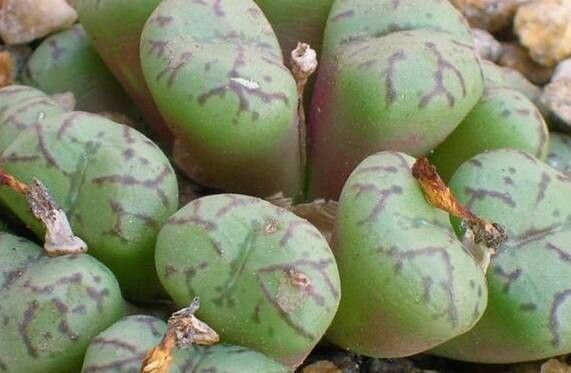
Propagating Conophytum obcordellum: A Gardener’s Guide to the Heart-Shaped Stone
Conophytum obcordellum, also known as the "Heart-shaped Conophytum," is a captivating miniature succulent beloved for its charming, heart-shaped leaves and delightful flowering habit. Its compact size and endearing appearance make it a popular choice among succulent enthusiasts, despite the challenges it presents in propagation. This guide explores various propagation methods, weighing their feasibility and highlighting the unique rewards for those willing to undertake the task.
Seed Germination:
Currently, there are no known reliable methods for seed germination propagation of Conophytum obcordellum. While seeds can be obtained, germination rates are notoriously low and unpredictable even under optimal conditions. Factors such as dormancy periods, specific temperature and light requirements, and susceptibility to fungal diseases contribute to the difficulty. Further research is needed to establish consistent successful germination protocols.
Cuttings:
Cuttings are not a viable method for propagating Conophytum obcordellum. These plants lack the ability to regenerate from leaf or stem cuttings; they rely heavily on their root systems for survival and growth. Any attempt to propagate through cuttings will almost certainly result in failure.
Division:
Division is the most reliable method for propagating Conophytum obcordellum. Mature plants often produce offsets (daughter plants) growing closely to the mother plant.
- Challenges: Careful handling is crucial to avoid damaging the delicate roots of both the mother plant and the offsets. Improper separation can lead to rot and plant death. The process also requires patience, as the offsets must be sufficiently large before separation to ensure viability.
- Practical Tips: Division should ideally occur during the plant’s active growing season. Use a sharp, sterile knife or scissors to cleanly separate the offsets, ensuring each has a portion of root attached. Allow the cut surfaces to dry for a couple of days before planting in well-draining succulent potting mix. Gently water after planting.
- Rewards: Division offers a relatively straightforward way to increase the number of plants. It maintains the genetic characteristics of the parent plant, ensuring consistency in the offspring’s appearance and growth habits.
Tissue Culture:
Tissue culture offers the potential for large-scale propagation of Conophytum obcordellum, bypassing the limitations of other methods.
- Challenges: Tissue culture requires specialized equipment, sterile conditions, and a thorough understanding of plant tissue culture techniques. It is a more complex and expensive method than division, requiring specialized expertise and laboratory equipment.
- Practical Tips: Specialized plant tissue culture laboratories offer services for this type of propagation. The use of appropriate media, growth regulators, and strict aseptic techniques are paramount for success.
- Rewards: Tissue culture has the potential to produce a large number of genetically identical plants in a relatively short time frame. It can also offer a means of rescuing plants from diseases or propagating rare or endangered cultivars.
Conclusion:
Propagating Conophytum obcordellum presents distinct challenges, with division currently providing the most reliable method. While seed germination and cuttings are not viable, tissue culture offers potential for large-scale propagation but requires specialized knowledge and resources.
The difficulty of propagation emphasizes the unique satisfaction derived from successfully cultivating this plant. Seeing a tiny offset grow into a mature, flowering Conophytum obcordellum is a rewarding experience that highlights the patience and dedication required in succulent cultivation. While the path may not always be easy, the beauty and unique character of this delightful succulent make the journey well worth the effort for any determined gardener. Aspiring propagators are encouraged to start with division, focusing on careful handling and using appropriate potting mixes for optimal results.