
Growing More “Living Stones”: A Guide to Conophytum obscurum Propagation
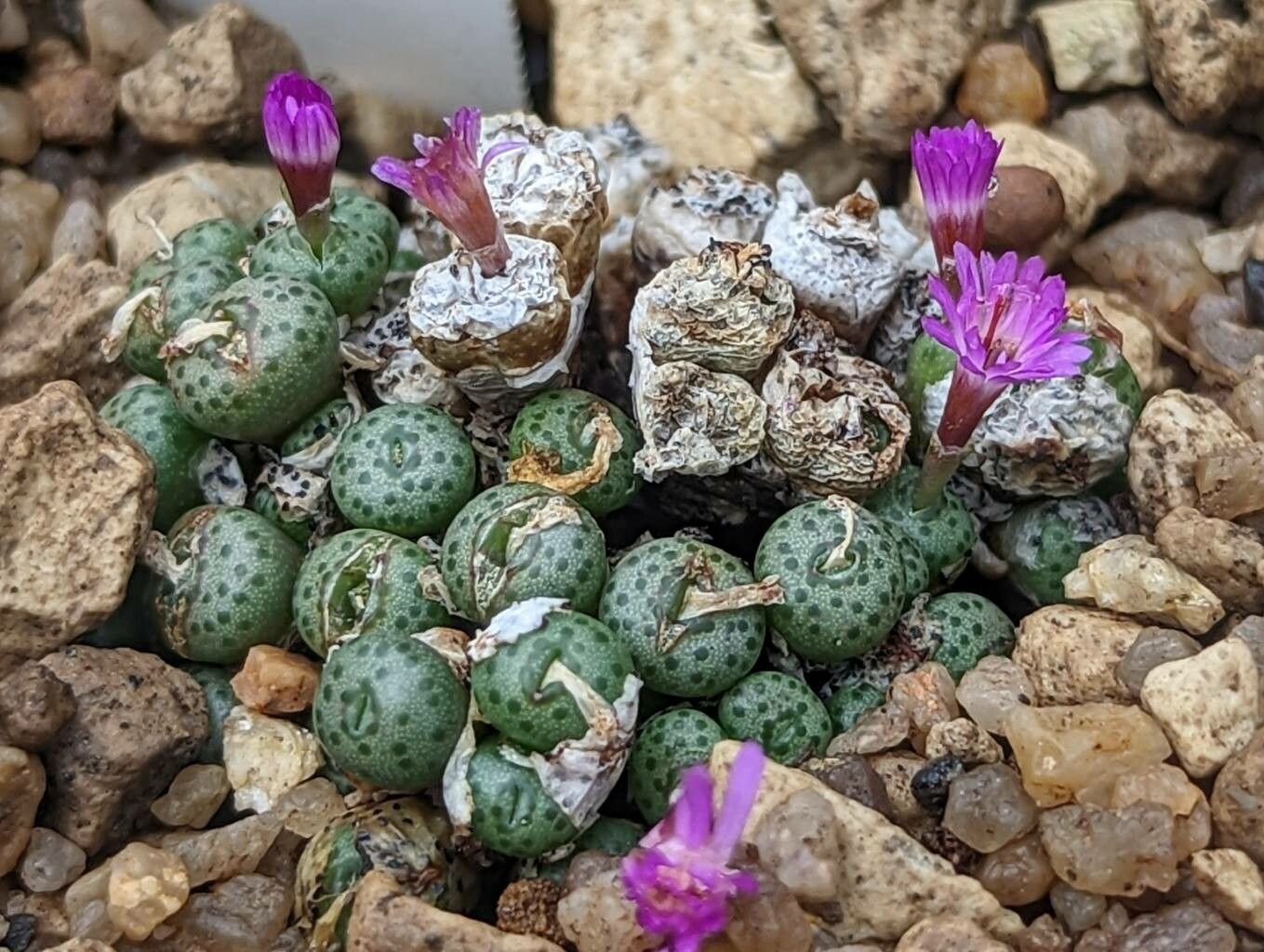
Conophytum obscurum, with its mesmerizingly smooth, bulbous leaves that resemble tiny stones, is a captivating addition to any succulent collection. But did you know you can easily expand your “living stone” family by propagating them?
While Conophytum obscurum isn’t the easiest plant to grow from seed, it’s surprisingly manageable with a bit of knowledge and patience. Let’s dive into the fascinating world of Conophytum obscurum propagation:
1. The Seed Method: A Patient’s Journey
- Harvesting Seeds: After successful flowering, Conophytum obscurum forms seed pods. When these turn brown and dry, they’re ready for harvesting. Carefully collect the seeds by gently rubbing the pod over a piece of paper.
- Seed Preparation: You’ll need a very well-draining soil mix, preferably a cactus potting mix amended with perlite or pumice. Fill your chosen pots or trays with this mix and lightly moisten it. Sow the seeds evenly on the surface and sprinkle a thin layer of seed starting mix on top. Don’t press the seeds into the soil.
- Patience is Key: Keep the soil consistently moist but not waterlogged. Cover the pot with a clear plastic dome to maintain humidity and protect the seeds from drying out. Maintain a warm temperature (around 70°F).
- Germination Time: Conophytum obscurum seeds can take weeks or even months to germinate, so patience is crucial! Once seedlings appear, gradually introduce them to more light, avoiding direct sunlight.
2. Leaf Propagation: A Quick and Easy Option
- Removing Leaf Cuttings: During the growing season (spring and summer), select healthy, plump leaves and carefully twist or cut them off at the base.
- Callusing and Planting: Allow the cuttings to dry and callous over for a few days in a dry, shady spot. Once calloused, plant them on top of a well-draining succulent soil mix in shallow pots.
- Watering Carefully: Water sparingly at first, ensuring the soil is well-draining and allowing it to dry out between waterings.
- Growth and Development: New plantlets will start to develop from the base of the cuttings, usually within a few weeks. As these grow, increase the frequency of watering.
3. Division: A Simple Way to Multiply
- Ideal Time: After flowering, Conophytum obscurum can be divided during spring or summer when they are actively growing.
- The Process: Gently separate the plant into individual heads or clusters of heads, ensuring each has roots.
- Repotting: Plant the divisions in individual pots with well-draining soil. Water sparingly at first, allowing the soil to dry out between waterings.
Tips for Success:
- Use sharp, clean tools for propagation to minimize the risk of infections.
- Create a well-ventilated environment to prevent fungal growth, especially during the germination stage.
- Avoid overwatering. Allow the soil to dry out completely between waterings to prevent root rot.
- Provide ample sunlight, but avoid direct sunlight, especially during the hottest hours.
Patience and Observation Are Key
Conophytum obscurum propagation necessitates patience, attention, and a keen eye for observing their unique growth patterns. Remember, these “living stones” grow slowly, so be patient as you enjoy watching them transform into mature plants. With proper care and a little patience, you can cultivate a flourishing collection of these remarkable succulents.