
Propagating the Rosemary-Leafed Conradina: A Guide to Cultivating Conradina verticillata
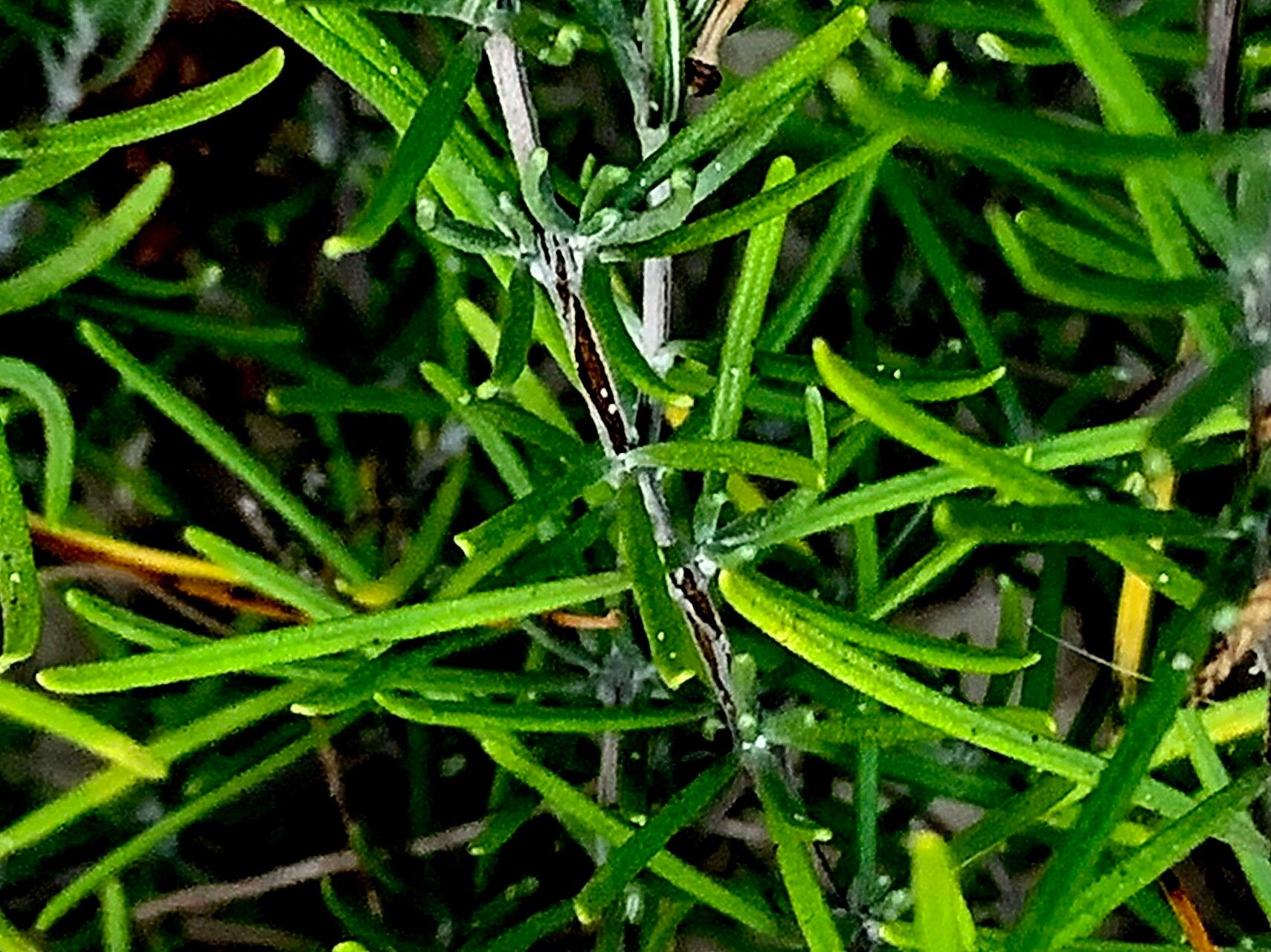
Conradina verticillata, commonly known as rosemary-leaved conradina, is a captivating, aromatic shrub native to Florida. Its delicate, needle-like leaves and lovely lavender-blue flowers make it a prized addition to any garden, especially those designed for attracting pollinators. Its drought tolerance and adaptability to well-drained sandy soils contribute to its growing popularity among gardeners seeking low-maintenance, ecologically friendly landscaping. However, propagating this unique plant presents specific challenges, demanding patience and a nuanced understanding of its propagation needs.
Seed Germination:
Currently, there are no known reliable methods for seed germination propagation of Conradina verticillata. While the plant produces seeds, germination rates are exceptionally low, and successful seedling establishment remains elusive. Further research is needed to determine if specific pre-treatments, such as stratification or scarification, might improve germination success.
Cuttings:
Cuttings offer a more promising method for propagating Conradina verticillata.
Challenges: The success rate depends heavily on timing and technique. Taking cuttings from semi-hardwood stems during late summer or early fall generally yields the best results. Proper sanitation to avoid fungal infections is crucial.
Practical Tips: Take 4-6 inch cuttings, remove lower leaves, and dip the cut ends in rooting hormone before planting in a well-draining medium, such as a mix of perlite and vermiculite. Maintain consistent moisture but avoid overwatering, which can lead to rot. High humidity, achieved through propagation domes or misting, significantly improves rooting success. A bottom-heat propagation mat can also speed up rooting.
- Rewards: Cuttings provide a relatively quick method to produce genetically identical plants, ensuring the preservation of desirable traits. This method is ideal for smaller-scale propagation and for gardeners wishing to expand their existing Conradina verticillata population.
Division:
Division is a feasible propagation method for established, mature Conradina verticillata plants.
Challenges: This method requires careful handling to avoid damaging the root system. The plant’s relatively shallow root structure necessitates a gentle approach. Timing is also crucial; dividing in spring or early fall, when the plant is actively growing, increases the chances of success.
Practical Tips: Dig up the plant carefully, gently separate the root ball into smaller sections, ensuring each division has sufficient roots and shoots. Replant the divisions immediately in well-prepared soil, ensuring adequate spacing. Watering deeply after planting is essential.
- Rewards: Division offers a relatively straightforward method to increase the number of plants, particularly when dealing with larger, well-established individuals. It avoids the need for specialized equipment or materials.
Tissue Culture:
Tissue culture propagation of Conradina verticillata is theoretically possible but requires specialized laboratory equipment and expertise.
Challenges: Establishing sterile conditions and developing suitable media formulations are critical. Success depends heavily on the skill and experience of the tissue culturist. This method is significantly more complex and expensive than other propagation techniques.
Practical Tips: This method is best left to professionals or researchers with experience in plant tissue culture.
- Rewards: Tissue culture offers the potential for mass propagation, producing large numbers of genetically identical plants quickly. This can be valuable for conservation efforts or for large-scale commercial production.
Conclusion:
Propagating Conradina verticillata presents unique challenges, with cuttings offering the most reliable method for the average gardener. While seed germination proves currently unreliable, and tissue culture remains a specialized endeavor, the rewards of cultivating this beautiful and ecologically significant plant are considerable. The dedication required to overcome these hurdles reinforces the profound satisfaction of witnessing these delicate shrubs thrive under your care. For aspiring propagators, patience, meticulous attention to detail, and a willingness to learn from each attempt are key to success. Embrace the challenges, and the fragrant reward of your own rosemary-leaved conradina will be well worth the effort.