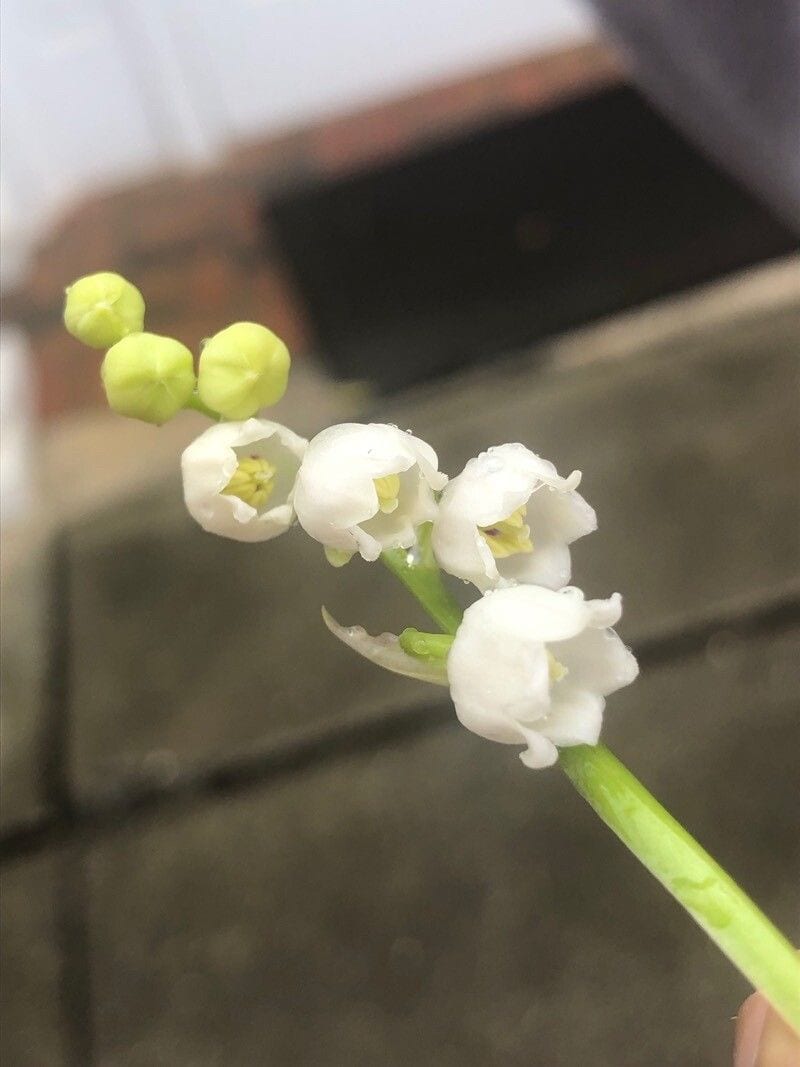
Propagating Convallaria majalis: The Challenges and Rewards of Cultivating Lily of the Valley
Convallaria majalis, commonly known as Lily of the Valley, is a beloved perennial prized for its delicate, bell-shaped white flowers and intoxicating fragrance. Its graceful foliage and ability to thrive in shade make it a highly sought-after addition to woodland gardens and shady borders. However, its propagation presents several unique challenges. While its beauty is undeniable, successfully multiplying this charming plant requires patience, persistence, and a nuanced understanding of its reproductive biology.
Seed Germination:
Currently, there are no known reliable methods for seed germination propagation of Convallaria majalis. While Convallaria majalis does produce seeds, the germination rate is notoriously low and unpredictable, even under optimal conditions. Many seeds fail to develop viable embryos, and those that do often experience prolonged dormancy. Therefore, seed propagation is generally not a practical method for the home gardener.
Cuttings:
Propagating Convallaria majalis from cuttings is also generally unsuccessful. Stem cuttings or leaf-bud cuttings rarely root, resulting in a very low success rate. The plant’s physiology simply doesn’t lend itself to this type of vegetative propagation.
Division:
Division is the most reliable and commonly used method for propagating Lily of the Valley. This involves carefully separating established clumps of rhizomes, each possessing several buds and roots. The best time for division is in late summer or early autumn, after flowering has ceased but before the onset of severe frost.
Challenges: Successfully dividing rhizomes requires careful handling to avoid damaging the delicate roots and buds. Overcrowding in clumps reduces flowering, and division prevents this. Small divisions may take a year or two to establish fully and flower.
Practical Tips: Use a sharp, clean spade or knife to separate the rhizomes, ensuring each division has several healthy buds and a good root system. Plant the divisions immediately in well-prepared, moist, well-drained soil, ensuring adequate spacing.
Rewards: Division is the most efficient method for quickly increasing the number of plants. It also allows for the preservation of desirable traits within a specific cultivar.
Tissue Culture:
Tissue culture represents a potentially viable method for large-scale propagation of Convallaria majalis. This laboratory-based technique involves growing plantlets from small pieces of tissue in a sterile nutrient medium.
Challenges: Tissue culture requires specialized equipment, a sterile environment, and expertise in plant tissue culture techniques. It’s also a relatively expensive method.
Practical Tips: Sterilization of equipment and materials is crucial to prevent contamination. The selection of appropriate growth media and hormonal regulators is critical for successful development of plantlets.
Rewards: Tissue culture offers the potential for rapid multiplication of desirable cultivars, allowing for large-scale commercial production and the conservation of rare varieties.
Conclusion:
Propagating Convallaria majalis presents unique challenges, with division being the most practical approach for the average gardener. While seed germination and cuttings are largely unsuccessful, tissue culture offers a promising avenue for large-scale propagation. Despite the difficulties, the eventual reward of a flourishing patch of Lily of the Valley, filling the air with its intoxicating fragrance, makes the effort deeply satisfying. The patience and persistence required to cultivate this beautiful plant only enhance the appreciation for its delicate charm; a testament to the enduring allure of a simple, yet powerfully enchanting blossom. For aspiring propagators, start with division, and consider exploring tissue culture for ambitious projects. Embrace the challenges, and the sweet reward will surely follow.