
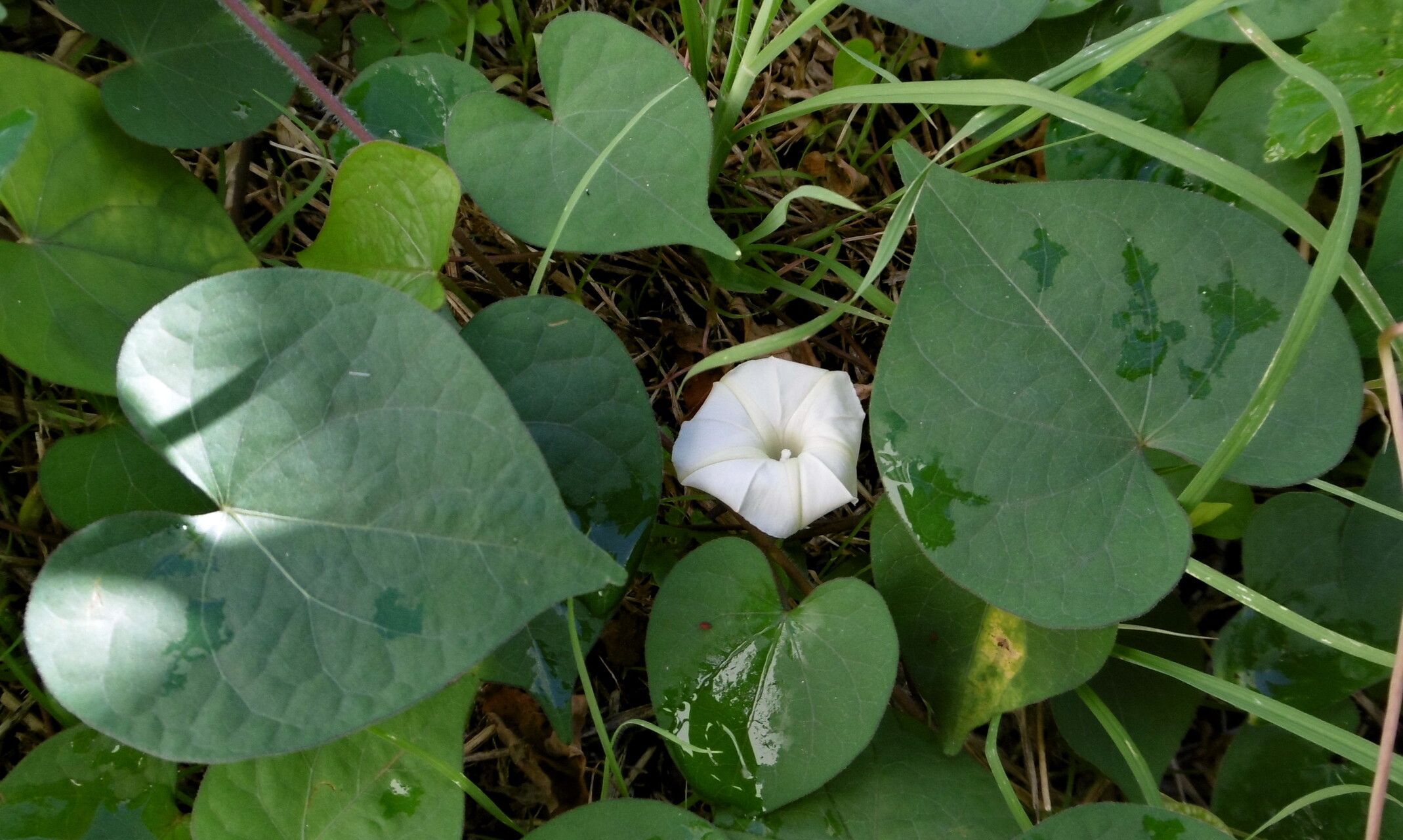
Unleash the Flourishing Vines: Propagating the Silverbush (Convolvulus farinosus)
The Silverbush, scientifically known as Convolvulus farinosus, captivates with its delicate, silver-green foliage and charming white blooms. Native to the Mediterranean, this resilient plant thrives in sunshine and well-drained soil, making it a fantastic addition to rockeries, borders, or cascading containers.
If you’re eager to multiply this beauty and adorn your garden with swathes of silver, you’re in luck! Propagating Convolvulus farinosus is an achievable endeavor, even for novice gardeners. This guide will walk you through the two most effective methods:
1. Seed Propagation: Sow the Seeds of Success
Timing is Key: Spring is the ideal time to sow Convolvulus farinosus seeds. The warmer temperatures and longer daylight hours provide the perfect conditions for germination.
Sowing the Seeds: Choose a well-draining seed-starting mix and fill small pots or trays. Sprinkle a few seeds on top and lightly cover them with the mix. Mist with water and place the containers in a warm, sunny location.
Patience is a Virtue: Germination typically takes 1-3 weeks. Ensure the soil remains consistently moist but not waterlogged during this time.
- Transplanting Time: Once the seedlings develop a couple of sets of true leaves, they can be carefully transplanted into individual pots or directly into your garden after the last frost.
2. Cutting Edge Propagation: Cloning Your Beloved Plant
The Right Time and Tool: Late spring or early summer is ideal for taking cuttings. Select a healthy, non-flowering stem and use a sharp, clean knife or pruning shears.
Taking the Cutting: Make a clean cut just below a leaf node, about 4-6 inches long. Remove the lower leaves, leaving only a couple at the top.
Encouraging Root Development: Dip the cut end in rooting hormone (optional but beneficial) and then plant the cutting in a pot filled with a well-draining potting mix.
Creating a Humid Environment: Cover the pot with a clear plastic bag or use a propagation dome to create a humid environment. Place it in a well-lit area but out of direct sunlight.
Patience and Observation: Root development typically takes 4-6 weeks. Check the moisture levels regularly and mist the soil if needed. Gently tug on the cutting; if it resists, roots have likely formed.
- Transplanting Your Success: Once the cutting has established a healthy root system, it can be carefully transplanted into a larger pot or directly into the garden.
A Few Tips for Flourishing Results:
Convolvulus farinosus prefers full sun but can tolerate partial shade, especially in hotter climates.
Ensure well-drained soil to prevent root rot, as this plant is susceptible to waterlogging.
- While relatively pest-free, keep an eye out for common garden pests like aphids and spider mites.
By following these simple guidelines, you’ll be well on your way to propagating your very own Convolvulus farinosus, creating a cascade of silver foliage and delicate blooms that will enhance your garden’s beauty for years to come. Happy propagating!