
Propagating Convolvulus humilis: A Gardener’s Guide to the Trailing Bindweed
Introduction
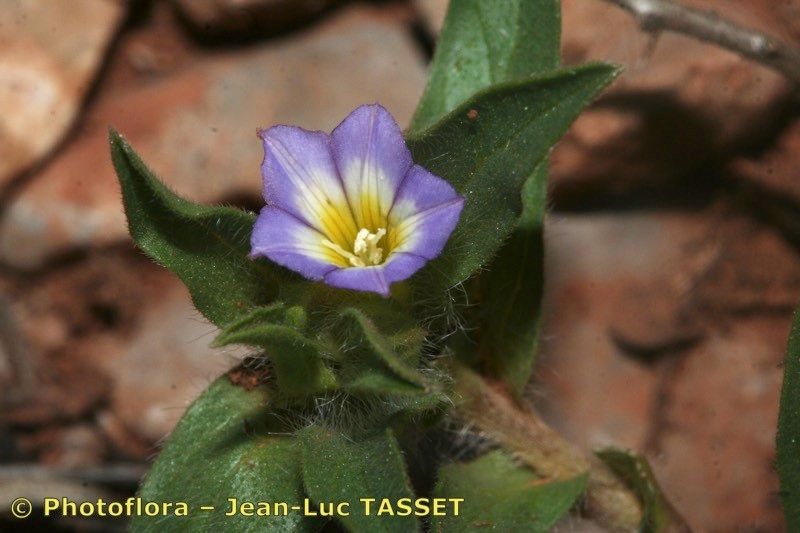
Convolvulus humilis, commonly known as dwarf bindweed or trailing bindweed, is a charming, low-growing perennial boasting a profusion of delicate, trumpet-shaped flowers. Its cascading habit and vibrant blooms, ranging from white to pale lavender and blue, make it a popular choice for rock gardens, hanging baskets, and as ground cover. While readily available commercially, propagating Convolvulus humilis offers a rewarding challenge and the opportunity to expand your collection of this attractive plant. Its relatively hardy nature and propensity to spread (though remaining relatively well-behaved compared to invasive cousins) makes it an ideal candidate for various propagation techniques, each presenting its own set of hurdles and triumphs.
Seed Germination:
Currently, there are no known reliable methods for seed germination propagation of Convolvulus humilis. While some anecdotal evidence suggests germination may occur under specific conditions, it’s exceedingly unpredictable and unreliable to count on seeds as a consistent propagation method. Further research is needed to determine optimal germination techniques.
Cuttings:
Cuttings offer a highly successful method for propagating Convolvulus humilis.
Challenges: While relatively straightforward, the success rate depends on timing and technique. Using too-old or too-young stems can hinder rooting.
Practical Tips: Take semi-hardwood cuttings (8-10cm long) in late spring or early summer from non-flowering stems. Remove lower leaves, dip the cut end in rooting hormone, and insert into a well-draining propagating mix (e.g., a peat-perlite blend). Maintain consistently moist (but not soggy) conditions, and use a humidity dome or cover to retain moisture. Rooting typically takes 4-6 weeks.
Rewards: High success rate allows for quick multiplication of desirable plants. This method preserves the exact genetic characteristics of the parent plant.
Division:
Division is another effective way to propagate Convolvulus humilis.
Challenges: This is best done in spring or autumn and requires careful handling of the root system to avoid damaging the plant. Overly aggressive division can weaken the plants.
Practical Tips: Gently lift the mature plant from the ground, carefully separating the root ball into smaller sections, each with multiple stems and roots. Replant the divisions immediately, ensuring adequate spacing. Water thoroughly after repotting.
Rewards: A relatively simple and quick method for increasing the number of plants, especially suitable for established plants.
Tissue Culture:
Tissue culture propagation of Convolvulus humilis is theoretically possible, but is not commonly practiced by home gardeners.
Challenges: This method requires specialized equipment, sterile conditions, and a high level of technical expertise. It’s often more expensive and time-consuming than other methods.
Practical Tips: This process involves establishing a sterile culture from plant tissue on a nutrient agar medium, then subculturing to multiply the plantlets before transferring them to soil. This is a process best left to professional nurseries and laboratories.
Rewards: Tissue culture allows for mass propagation of disease-free plants, offering the potential for large-scale commercial production. It also offers the possibility of genetic modification and improvements.
Conclusion:
Propagating Convolvulus humilis presents a mix of challenges and rewarding experiences. While seed propagation remains elusive, cuttings and division provide dependable methods for the home gardener. The relative ease of cuttings, coupled with the satisfying results of seeing those little cuttings root and grow, makes it the most accessible and rewarding choice. Tissue culture offers the potential for large-scale production but necessitates specialized skills and resources. The journey of successfully propagating this lovely plant, overcoming the hurdles and celebrating each new sprout, adds a unique layer of fulfillment to the pleasure of gardening. Don’t be discouraged by initial setbacks; experimentation and patience are key to mastering the art of propagating Convolvulus humilis.