


Unlocking the Secrets of Convolvulus laciniatus Propagation: Grow Your Own Feathery Friends
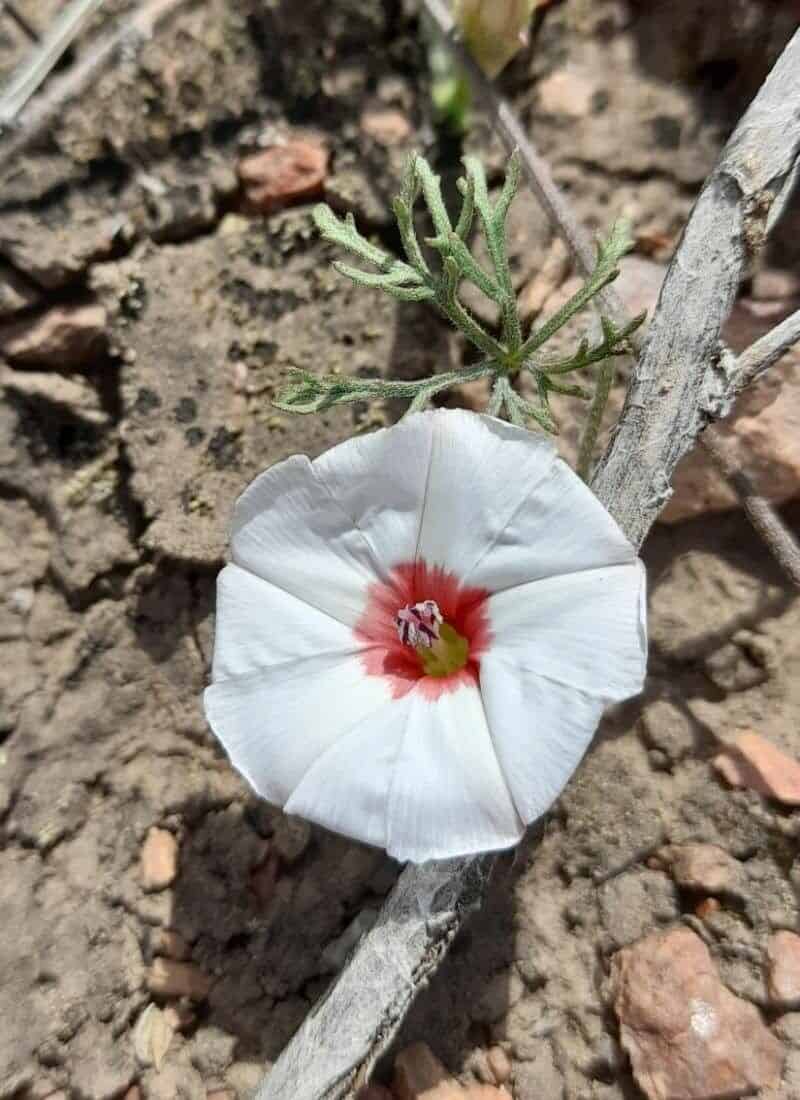
Convolvulus laciniatus, with its delicate, feathery foliage and charming white flowers, is a captivating addition to any garden. This low-growing, spreading perennial, sometimes referred to as Cut-Leaved Bindweed, offers a beautiful textural element, cascading over walls or sprawling across open ground. While admiring its beauty is easy, the thought of propagating it might seem daunting. Fear not! This article delves into the surprisingly straightforward methods of expanding your Convolvulus laciniatus collection.
Two Roads to Success: Seeds and Cuttings
Convolvulus laciniatus generously offers two main avenues for propagation: seeds and cuttings.
1. The Magic of Seeds:
Collecting the Treasure: As your Convolvulus laciniatus blooms fade, keep a watchful eye out for the small seed pods that follow. Once these pods turn brown and dry, they are ready to be harvested. Gently crack them open to reveal the tiny, black seeds within.
- Sowing for Success: Sow the seeds in early spring, directly into well-drained soil, or start them indoors a few weeks before the last expected frost. Lightly press the seeds into the soil, leaving a light scattering of soil on top. Mist regularly and ensure ample sunlight for optimal germination.
2. The Art of Cuttings:
Taking the Plunge: In late spring or early summer, select healthy, non-flowering stems for your cuttings. Use a sharp, clean knife or pruning shears to cut a 4-6 inch section just below a leaf node.
Encouraging Roots: Remove the leaves from the bottom inch of the cutting. Dip the cut end in rooting hormone (optional but beneficial) and then plant it in a pot filled with a well-draining seed-starting mix.
Creating a Humid Haven: Cover the pot with a clear plastic bag or use a propagation dome to maintain humidity. Place the cutting in a warm, brightly lit location, out of direct sunlight.
- The Joy of New Growth: After a few weeks, gently tug on the cutting to check for resistance. Resistance signifies successful root development. Once roots are established, you can transplant your new Convolvulus laciniatus plant into its desired location.
Tips for Thriving Convolvulus laciniatus:
Sun-Kissed Location: These beauties thrive in full sun to partial shade.
Well-Draining Soil: Choose well-drained soil to prevent root rot.
Watering Wisdom: While somewhat drought-tolerant once established, regular watering, especially during dry spells, will keep your Convolvulus laciniatus happy.
- Spreading Habits: Be mindful of the plant’s spreading nature. It can easily self-seed, so you may need to manage its growth in certain areas of your garden.
Propagating your own Convolvulus laciniatus is a rewarding experience that allows you to expand your garden with this enchanting plant. With a bit of care and attention, you’ll be enjoying its delicate beauty and unique charm for years to come.