
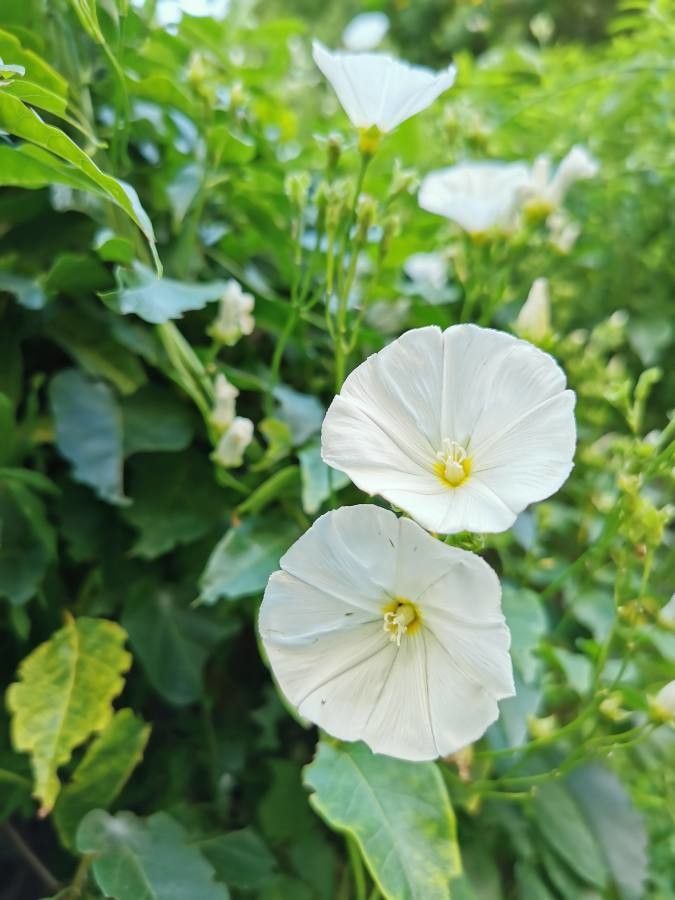


Bringing New Life to Your Garden: Convolvulus massonii Propagation Guide
Convolvulus massonii, with its vibrant, eye-catching blooms and cascading growth habit, is a beloved garden favorite. But did you know that you can easily expand your collection of this beautiful plant by learning a few simple propagation techniques? That’s right, sharing the joy of Convolvulus massonii with your friends, filling your garden with more of its cheerful presence, and even starting your own nursery is within your reach.
This blog post will guide you through the popular methods of propagating Convolvulus massonii: seed propagation and cutting propagation. Both methods are surprisingly easy and accessible, even for beginner gardeners. Let’s explore each method in detail:
1. Seed Propagation:
Starting from seed offers a sense of wonder and lets you experience the entire life cycle of the plant. Here’s what you need to do:
- Collecting the seeds: Wait for the Convolvulus massonii flowers to fade and the seedpods to form. Once they turn brown and dry, carefully collect the seeds. Make sure they are fully matured before planting.
- Preparing the seedbed: Use a seed tray or pots filled with well-draining seed compost. Lightly moisten the soil before sowing the seeds.
- Sowing the seeds: Sow the seeds thinly and cover them with a thin layer of compost. Keep the soil moist but not soggy.
- Germination: Place the seedbed in a warm, sunny spot, ideally with temperatures around 70-75°F. Convolvulus massonii seeds usually germinate within 7-14 days.
- Pricking out seedlings: Once the seedlings sprout their first true leaves, gently prick them out into individual pots or a larger seed tray to give them more space to grow.
- Hardening off: Before transplanting them outdoors, gradually acclimate them to the outdoor conditions by placing them in a sheltered spot for a few hours each day, increasing the exposure time over several days.
2. Cutting Propagation:
Propagating Convolvulus massonii from cuttings is another straightforward method that allows you to quickly multiply your existing plants.
- Taking cuttings: Choose healthy, non-flowering stems. Use sharp, clean scissors or a knife to cut 4-6 inches long sections, ensuring each cutting has at least 2-3 leaf nodes (where leaves and stems meet).
- Preparing the cuttings: Remove the bottom leaves from the cuttings and dip the cut ends in rooting hormone. This helps encourage root development.
- Planting the cuttings: Prepare small pots or a seed tray filled with well-draining compost. Gently insert the cuttings into the soil, leaving a couple of nodes above the soil surface. Water the cuttings thoroughly.
- Rooting environment: Cover the cuttings with a plastic bag or a humidity dome to maintain a moist and humid environment.
- Maintenance: Keep the cuttings in a bright, warm spot but avoid direct sunlight. Check the soil regularly to ensure it’s moist. Rooting usually takes about 4-6 weeks.
- Transplanting: Once the roots have developed, gently pot the rooted cuttings into larger containers or directly into the garden.
Choosing the Right Method:
While both seed and cutting propagation are viable options, choose the method based on your needs and preferences. Seed propagation allows you to grow many plants from a few seeds, but it might take a bit longer for them to bloom. Cutting propagation is quicker, and you can expect the new plants to resemble the mother plant.
Enjoy the Beauty:
Convolvulus massonii is a joyful addition to any garden, adding pops of color and a charming, cascading effect. By mastering these propagation techniques, you can effortlessly share this beauty with others or expand your own garden paradise. Happy planting!