
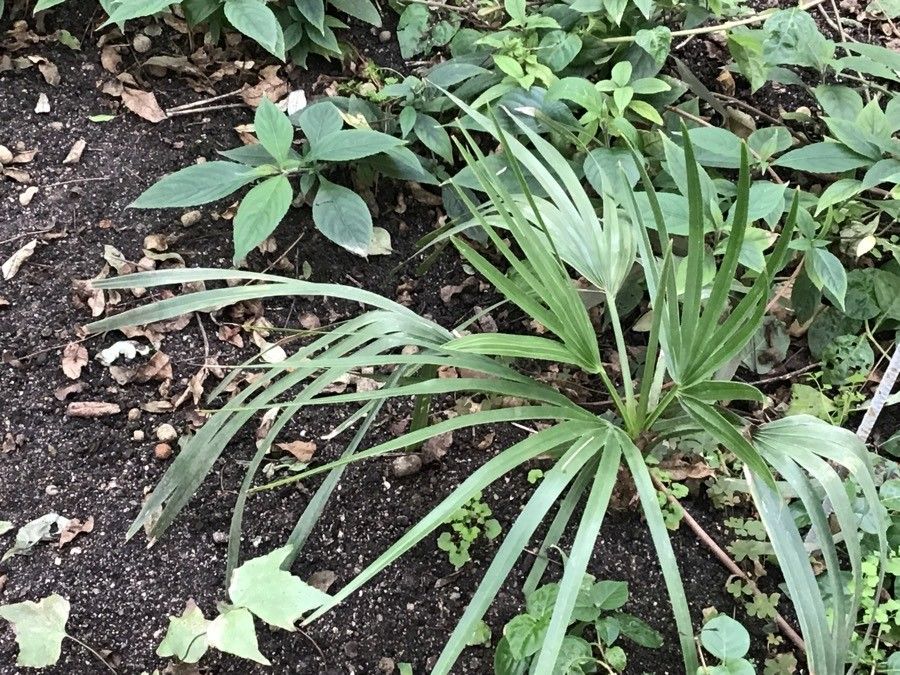
From Seed to Palm: A Guide to Propagating the Majestic Copernicia Alba
The Copernicia alba, also known as the Wax Palm, is a majestic tree that adds a touch of tropical elegance to any landscape. Its silvery-blue leaves and robust stature make it a striking focal point, but even more impressive is its ability to thrive in challenging conditions. Whether you’re a seasoned gardener or a curious newcomer, propagating your own Copernicia alba from seed is a rewarding experience.
The Magic of Seeds:
Copernicia alba propagation typically relies on seeds. While it’s possible to propagate through suckers or offsets, this method is less common and often less successful. This guide will focus on the seed propagation method.
Step 1: Sourcing the Seeds:
- The fresh factor: The key to successful propagation is using fresh seeds. Ideally, obtain seeds from ripe fruits directly from the tree. Avoid old or dried seeds, as they are less likely to germinate.
- Finding a source: Check local nurseries or online seed vendors specializing in tropical plants. Be sure to verify the source and the freshness of the seeds.
Step 2: Preparing the Seeds:
- Scarification: Copernicia alba seeds have a hard outer coating that prevents water absorption, delaying germination. Scarification helps weaken this coating, allowing water to penetrate. You can scarify the seeds by gently rubbing them with sandpaper or using a nail file.
- Soaking: Once scarified, soak the seeds in warm water for 24-48 hours. This softens the outer layer and encourages germination.
Step 3: Planting the Seeds:
- Potting mix: Use a well-draining potting mix suitable for palms. A mixture of peat moss, perlite, and vermiculite works well.
- Depth: Plant the seeds about 1/2 inch deep in the potting mix.
- Watering: Keep the soil consistently moist but not waterlogged. Avoid overwatering.
- Temperature: Copernicia alba seeds prefer warm temperatures around 75-85 degrees Fahrenheit (24-29 degrees Celsius) for optimal germination.
Step 4: Germination and Patience:
- Time: Be patient! Copernicia alba seeds can take anywhere from 3 to 6 months to germinate.
- Humidity: Maintaining high humidity will help the seeds germinate. You can create a humidity dome by covering the pots with plastic wrap or using a propagation tray with a lid.
- Light: Provide bright, indirect light. Avoid direct sunlight, especially during the initial stages of germination.
Step 5: After Germination:
- Thinning: Once the seedlings have reached a few inches tall, thin them out, leaving the strongest plants in the pot.
- Repotting: As the seedlings grow, you may need to repot them into larger containers.
- Sunlight: Gradually acclimatize the young palms to full sun.
Time and Care:
Remember, Copernicia alba is a slow-growing tree. It may take several years for your palm to reach a significant size. But with patience and consistent care, you’ll be rewarded with a stunning and long-lasting addition to your landscape.
Beyond Seeds:
While seed propagation is the most common method, be aware that Copernicia alba can also be propagated through suckers or offsets. However, this method is less reliable and often requires specialized techniques.
Propagation is a rewarding way to connect with nature and witness the magic of growth. By following this simple guide, you can successfully propagate your own Copernicia alba and enjoy a vibrant, resilient palm for years to come.