
Cracking the Code: Propagating the Rare and Cryptic Copiapoa ahremephiana
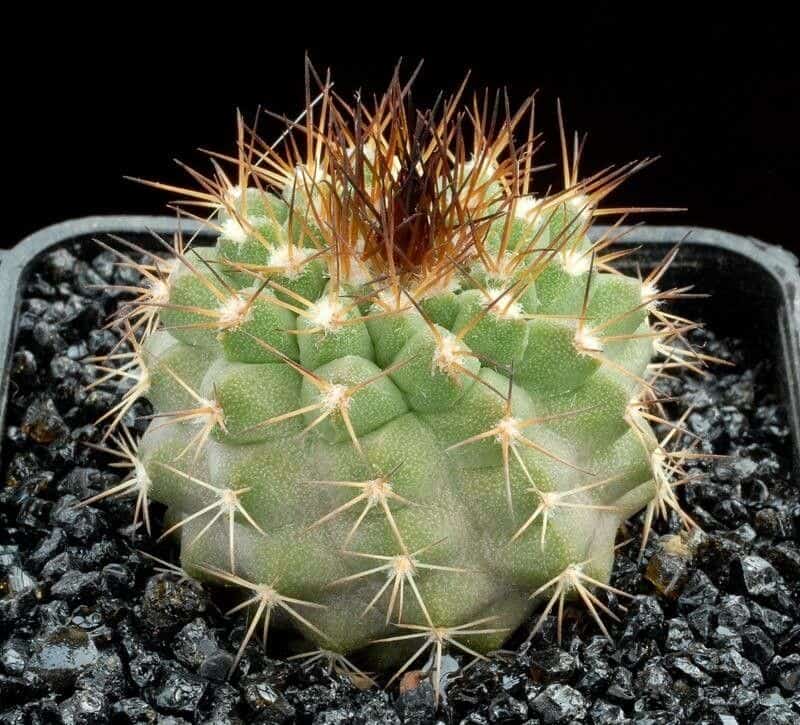
The Copiapoa ahremephiana, with its otherworldly appearance and aura of mystery, is a cactus that whispers to the collector in every plant enthusiast. Native to a tiny strip of Chilean coastline, this slow-growing, globular wonder is a true prize, but acquiring one can be tricky. Luckily, with patience and the right approach, you can propagate your own Copiapoa ahremephiana and unlock the secrets of this fascinating species.
Understanding the Challenge
Propagating Copiapoa ahremephiana is not for the faint of heart. Unlike some cacti that readily produce offsets, this species is known for its solitary nature. Additionally, its slow growth rate means propagation is a long game, requiring dedication and a watchful eye. But fear not! With the following techniques, you can increase your chances of success:
Method 1: Seed Propagation
- Source your seeds: This is perhaps the biggest hurdle, as Copiapoa ahremephiana seeds are not commonly available. Look for reputable sellers specializing in rare cacti and succulents.
- Prepare your substrate: A well-draining mix is crucial. Use a combination of pumice, perlite, and a small amount of peat or coco coir. Sterilize the mix before sowing to prevent fungal issues.
- Sow with care: Surface sow the tiny seeds, barely pressing them into the substrate. Mist lightly with a spray bottle and cover the container with plastic wrap to create a humid environment.
- Be patient: Germination can take several weeks to months. Provide bright, indirect light and maintain a consistent temperature between 70-80°F (21-27°C).
Method 2: Grafting
Grafting offers a faster propagation method, increasing the growth rate and overall success.
- Select a suitable rootstock: Pereskiopsis spathulata is an excellent choice due to its fast growth and compatibility with Copiapoa.
- Prepare the scion: Choose a healthy pup or offset, if available, or carefully behead a mature plant. Allow the cut surface to callous for several days.
- Graft with precision: Using a sterile, sharp blade, make a clean cut on both the scion and rootstock. Align the vascular cambium layers (the thin ring of green tissue) and secure with a grafting clip or rubber band.
- Provide optimal conditions: Place the grafted plant in a warm, humid environment with bright, indirect light. Monitor the graft union closely for signs of success, such as new growth.
Essential Care for Success
No matter your chosen propagation method, providing optimal care is crucial for healthy Copiapoa ahremephiana growth:
- Light: Bright, indirect light is ideal. Avoid direct sunlight, especially for young seedlings or recently grafted plants.
- Water: Water sparingly, allowing the soil to dry completely between waterings. Overwatering is a common cause of failure.
- Fertilize: Use a diluted cactus fertilizer during the growing season (spring and summer) to provide essential nutrients.
- Potting and Repotting: Use well-draining soil and pots with drainage holes. Repot only when the plant becomes root-bound, which may take several years.
The Reward of Patience
Propagating Copiapoa ahremephiana is a labor of love, demanding dedication and a keen eye for detail. However, the reward of successfully nurturing these rare beauties from seed or graft is immensely satisfying. As your little cacti thrive, you’ll have joined a select group of enthusiasts who have cracked the code of this enigmatic species. And with each passing year, as your Copiapoa ahremephiana slowly but surely grows, you’ll have a testament to your skill and patience that’s sure to become the envy of any plant lover.