
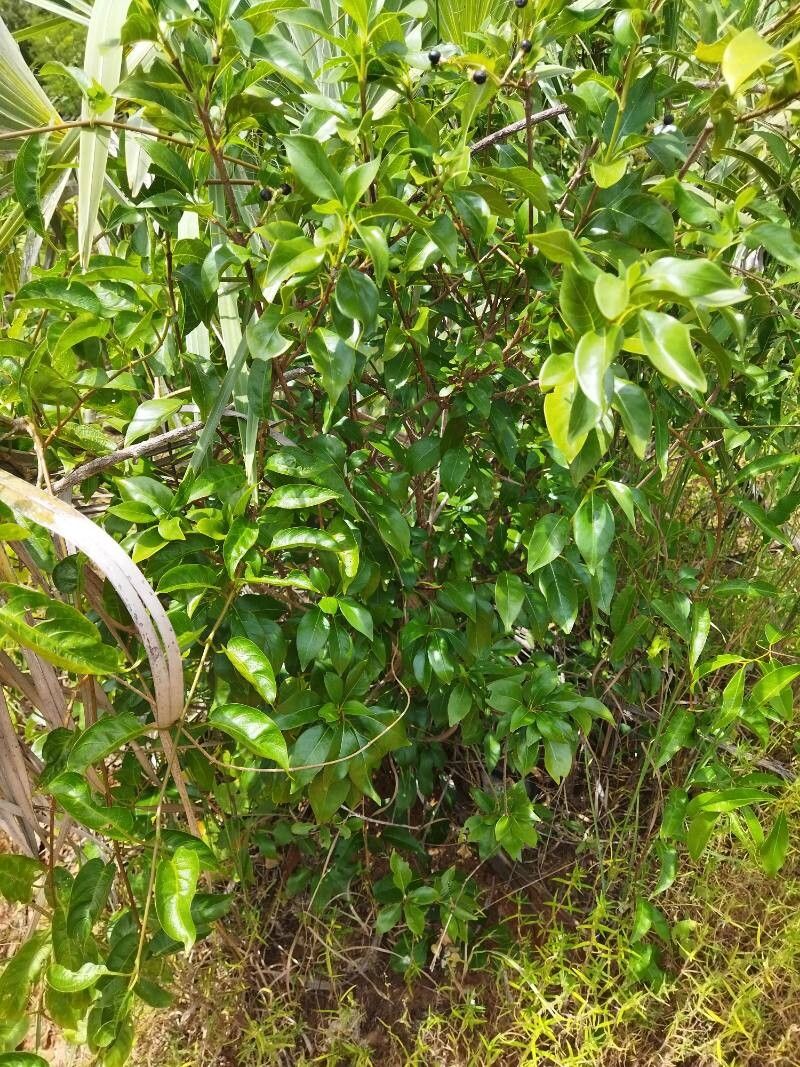
Propagating Coptosperma graveolens: A Gardener’s Guide
Coptosperma graveolens, also known as the scented Coptosperma or sometimes mistakenly as "Fragrant Gardenia" (though it’s not a true Gardenia), is a captivating shrub prized for its intensely fragrant, creamy white flowers and attractive foliage. Its popularity among gardeners stems from its relatively low maintenance needs and the heady, sweet perfume it releases, especially in the evening. While not widely available commercially, its unique characteristics make successful propagation a rewarding endeavor for those willing to put in the effort. The challenging nature of propagation, however, adds to its mystique and the feeling of accomplishment that comes with success.
Seed Germination:
Currently, there are no known reliable methods for seed germination propagation of Coptosperma graveolens. While the plant does produce seeds, their viability and germination rate are extremely low, making this method impractical for most gardeners. Further research into seed treatment techniques and germination conditions may be needed to unlock the potential of this propagation pathway.
Cuttings:
Cuttings offer a more promising avenue for propagating Coptosperma graveolens.
Challenges: The success rate of cuttings can be variable. Factors such as the age and health of the parent plant, the timing of the cuttings (ideally semi-hardwood cuttings in late spring/early summer), and the use of rooting hormone influence the outcome.
Practical Tips: Take semi-hardwood cuttings of about 4-6 inches long, removing lower leaves to prevent rotting. Dip the cut ends in a rooting hormone powder before planting them in a moist, well-draining medium like a mix of perlite and peat moss. Maintain high humidity using a propagator or by covering the cuttings with a clear plastic bag. Consistent warmth (around 70-75°F) and indirect sunlight are crucial.
Rewards: Cuttings provide a relatively quick method of propagation, producing genetically identical plants to the parent. This is particularly beneficial when propagating a plant with desirable traits.
Division:
Division of established Coptosperma graveolens plants is possible but not always successful.
Challenges: This method is only feasible for mature plants with well-developed root systems. Dividing the plant too aggressively can damage the roots and lead to the death of both the parent and the divisions.
Practical Tips: Carefully dig up the plant and gently separate the root ball into several smaller portions, ensuring each division has sufficient roots and foliage. Replant the divisions immediately in well-prepared soil, providing them with ample moisture and shade until they establish new roots.
Rewards: Division allows for increasing the number of plants without waiting for cuttings to root. However, it is a more invasive method and should be carefully considered.
Tissue Culture:
Tissue culture offers the potential for large-scale, rapid propagation of Coptosperma graveolens.
Challenges: This method requires specialized equipment, sterile conditions, and a significant amount of technical expertise. It is typically not a practical option for the home gardener.
Practical Tips: Tissue culture involves propagating the plant from small pieces of sterile plant tissue in a nutrient-rich agar medium. This process requires experience and specialized knowledge.
Rewards: Tissue culture offers the highest potential for propagation, creating many clones quickly and efficiently. However, it is expensive and requires specialized knowledge and equipment.
Conclusion:
Propagating Coptosperma graveolens presents a series of unique challenges. While seed germination is currently unreliable, cuttings offer a reasonable approach for the dedicated home gardener. Division is a viable option for mature plants but carries the risk of damage. Tissue culture presents the most efficient, but least accessible method. The rewards, however, are substantial. The intense fragrance and unique beauty of this shrub make the effort worthwhile. The process reinforces the connection between the gardener and the plant, imparting a deep sense of satisfaction from nurturing life from a small cutting or division to a thriving, fragrant shrub. Don’t be discouraged by initial setbacks; perseverance and attention to detail are key to success in propagating this fascinating and rewarding plant.