
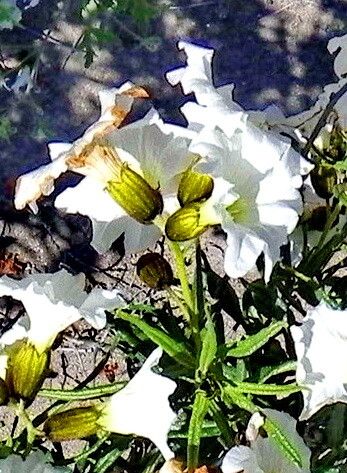
Propagating Cordia decandra: A Gardener’s Guide to the Geiger Tree
Introduction:
Cordia decandra, commonly known as the Geiger tree, is a captivating tropical and subtropical tree prized for its attractive, rough-barked trunk, vibrant green foliage, and clusters of fragrant, bell-shaped flowers that often attract pollinators. Its dense, rounded crown offers shade, making it a desirable addition to gardens and landscapes. Its relatively fast growth and tolerance of various soil conditions contribute to its popularity among gardeners. However, its propagation can present some unique challenges, making successful cultivation all the more rewarding.
Seed Germination:
Seed germination for Cordia decandra is viable, but it presents several challenges. The seeds have a relatively low germination rate, and the timing is crucial.
Challenges: Seed dormancy is a significant hurdle. Freshly harvested seeds often yield the best results.
Practical Tips: Pre-sowing treatment can improve germination success. Soaking seeds in warm water for 24-48 hours before sowing can help break dormancy. Sowing should be done in well-draining seed-starting mix, kept consistently moist but not waterlogged. A warm temperature (around 25-30°C) is beneficial. Germination can take several weeks to months. Using a humidity dome or covering the pots with plastic wrap helps maintain high humidity, essential for germination.
Rewards: The primary reward is the genetic diversity achieved through seed propagation. This method offers the potential for large-scale propagation and is relatively inexpensive compared to other techniques.
Cuttings:
Cuttings propagation for Cordia decandra is viable but requires patience and specific techniques.
Challenges: Success rates can be variable, depending on factors such as the timing of taking cuttings, the type of cutting used (semi-hardwood is generally preferred), and the rooting hormone used.
Practical Tips: Take semi-hardwood cuttings in spring or summer from the current season’s growth. Dip the cut ends in rooting hormone before planting in a well-draining medium like perlite or a mix of perlite and vermiculite. Maintaining high humidity, using bottom heat, and ensuring adequate light (but not direct sunlight) are crucial for successful root development. Regular misting helps prevent desiccation.
Rewards: Cuttings provide a quicker method of propagation compared to seeds, ensuring the propagation of desirable traits from the parent plant, effectively maintaining the plant’s characteristics, especially if it’s a cultivar with unique features.
Division:
Division is generally not a viable method for propagating Cordia decandra. This tree develops a robust taproot system which makes dividing the plant without damaging it significantly very difficult.
Tissue Culture:
Tissue culture propagation for Cordia decandra is potentially viable but requires specialized equipment, expertise, and a sterile laboratory environment.
Challenges: Establishing a clean culture and optimizing the media formulations for successful shoot multiplication and root formation are significant hurdles. This method is resource-intensive and requires specific technical knowledge.
Practical Tips: This process is not suitable for home gardeners due to complexities and specialized equipment requirements. Only professional labs and nurseries are equipped for this advanced technique.
Rewards: Tissue culture allows for rapid multiplication of plants and disease-free propagation on a large scale. It’s particularly useful for the conservation and propagation of rare or endangered varieties.
Conclusion:
Propagating Cordia decandra presents varying levels of challenge across different methods. Seed germination, while achievable, requires patience and careful attention to detail. Cuttings offer a faster propagation method but demand precision and proper techniques. Division is generally impractical, and tissue culture is best left to professionals. Despite the inherent difficulties, the rewards – from the genetic diversity of seed-grown trees to the quicker results of cuttings – make the effort worthwhile. The unique satisfaction of successfully nurturing a Geiger tree from seed or cutting, overcoming the propagation challenges, is a testament to the gardener’s dedication and a rewarding experience that strengthens the bond between grower and plant. For aspiring propagators, remember patience and persistence are key – meticulous attention to detail will vastly improve your success rates.