
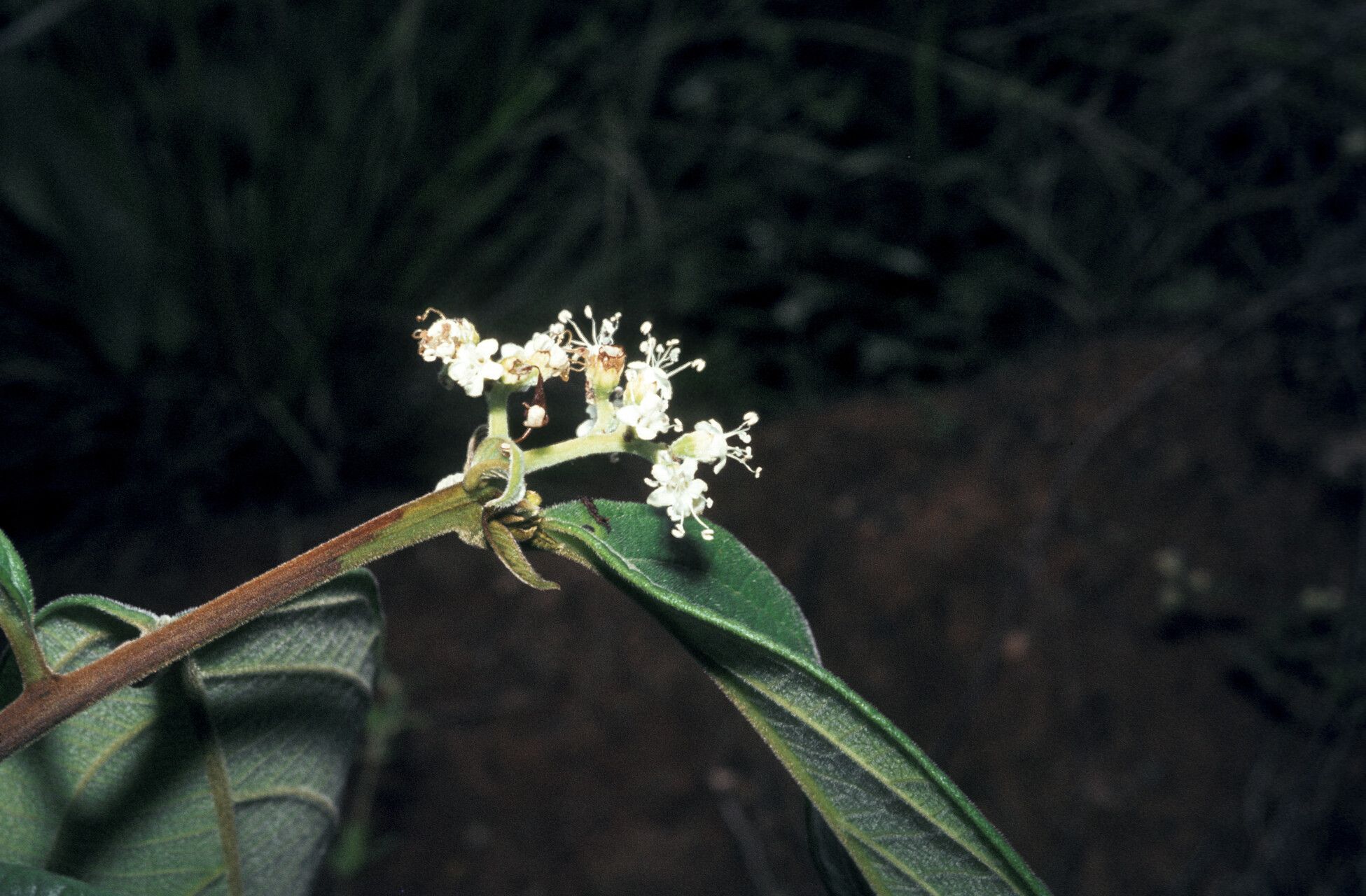
Propagating Cordia fulva: A Gardener’s Guide to the Fuzzy False Almond
Introduction:
Cordia fulva, commonly known as the Fuzzy False Almond or (in some regions) the Geiger Tree, is a captivating small tree or large shrub prized for its velvety, dark-green foliage, and clusters of fragrant, trumpet-shaped flowers that range in color from pale yellow to deep orange. Its attractiveness, coupled with its relatively low maintenance once established, makes it a favorite among gardeners, particularly in warmer climates. However, propagation presents unique challenges compared to some other landscape plants. While several methods exist, their success rate varies significantly.
Seed Germination:
Currently, there are no known reliable methods for seed germination propagation of Cordia fulva. While seeds may be produced, they often exhibit low germination rates and poor viability, even under optimal conditions. Further research is needed to determine if specific pre-treatments (such as scarification or stratification) could improve germination success.
Cuttings:
Cuttings present a more viable method for propagating Cordia fulva.
Challenges: The primary challenge lies in achieving successful rooting. Cordia fulva cuttings can be slow to root and susceptible to fungal diseases if not properly managed.
Practical Tips: Semi-hardwood cuttings taken in late summer or early autumn offer the best chance of success. Use a rooting hormone to stimulate root development and plant the cuttings in a well-draining, sterile propagation mix. Maintain high humidity (e.g., using a humidity dome or propagating tray) and consistently moist but not waterlogged conditions. Bottom heat can also significantly improve rooting rates.
Rewards: Successful propagation from cuttings allows for clonal propagation, meaning you’ll obtain plants genetically identical to the parent plant, preserving desirable traits.
Division:
Division is generally not a practical method for propagating Cordia fulva. Its root system does not readily lend itself to division, and the resulting plants often struggle to establish.
Tissue Culture:
Tissue culture offers a potential, albeit complex and costly, method of propagating Cordia fulva.
Challenges: Establishing a sterile tissue culture environment and developing appropriate nutrient media for Cordia fulva requires specialized expertise and equipment.
Practical Tips: This method requires specialized knowledge and equipment typically found in research laboratories or commercial nurseries. Successful protocols must be developed for this specific species.
Rewards: Tissue culture allows for mass propagation of high-quality, disease-free plants.
Conclusion:
Propagating Cordia fulva presents several significant hurdles. While seed germination appears unreliable, cuttings offer the most accessible method, albeit one that requires patience, attention to detail, and a high degree of skill. Division and tissue culture, though potentially effective, necessitate specialized knowledge and resources making them less practical for the home gardener. Nevertheless, the unique beauty and resilience of the Fuzzy False Almond make the effort worthwhile. The gratification of successfully propagating this striking plant from a cutting, nurtured patiently until it takes root and thrives, is a rewarding experience for any dedicated gardener. Don’t be discouraged by setbacks – persistence and careful observation will significantly increase your chances of success. Remember to provide optimal conditions for growth, including well-draining soil, adequate sunlight, and consistent watering (avoiding overwatering). The journey to cultivating your Cordia fulva is as rewarding as the final product.