
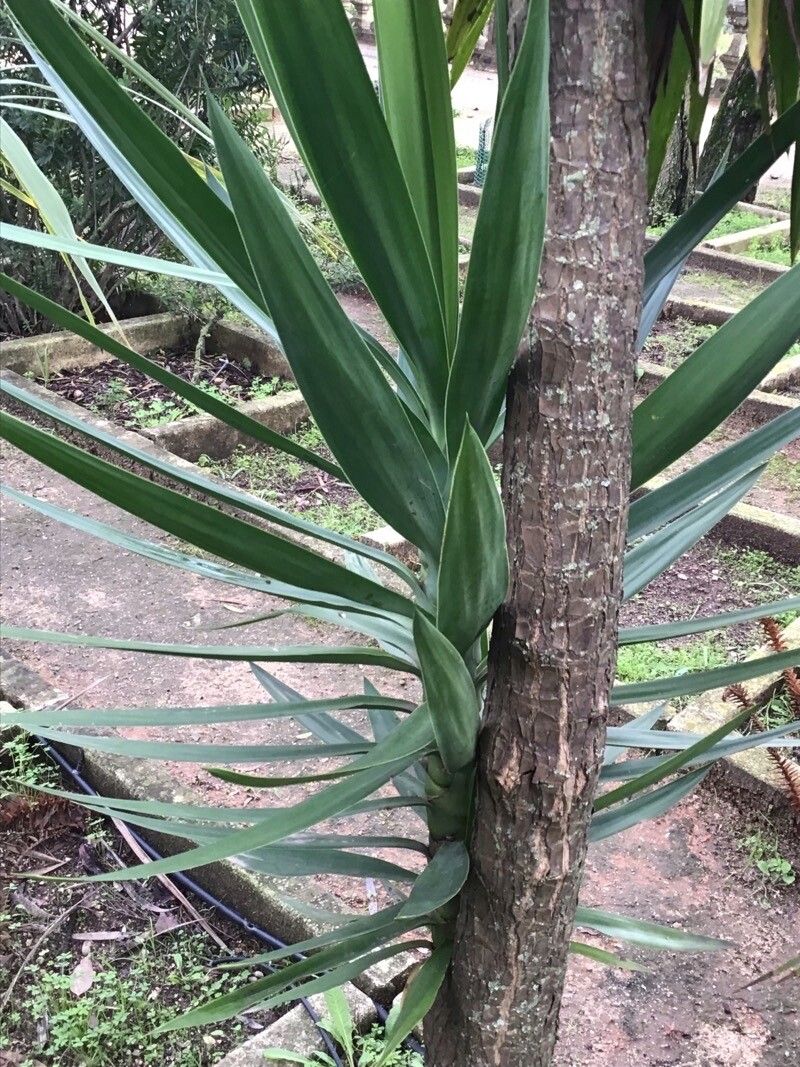
From One to Many: The Secrets of Propagating Cordyline indivisa
The towering majesty of the Cordyline indivisa, also known as the “Cabbage Tree,” is a sight to behold. With its dramatic sword-like leaves and striking red-tinged stems, this New Zealand native is a statement piece in any garden. But have you ever dreamed of sharing that beauty with friends or expanding your own collection? Fortunately, propagating Cordyline indivisa isn’t as daunting as it may seem. Let’s dive into the secrets of cultivating new plants from existing ones.
Methods of Propagation:
There are two primary methods for propagating Cordyline indivisa:
Seed Propagation: This method is suitable for those willing to invest time as it requires patience. The seeds are sown in a well-draining seed-starting mix, kept moist, and placed in a warm, bright location. Germination typically takes several weeks.
- Division: This is the most common and relatively straightforward method, particularly for established plants. Here’s what you need to do:
- Choose the Right Time: Spring or early summer, when growth is active, is the ideal time for division.
- Prepare the Plant: Gently remove the Cordyline from its pot or carefully dig it up if it’s in the ground. Shake off excess soil to reveal the root system.
- Divide the Rootball: Look for natural divisions in the rootball. Use a sharp knife or gardening shears to divide the rootball into sections, ensuring each section has healthy roots and a stem.
- Repot and Care: Pot each division in well-draining potting mix, watering thoroughly. Position your new Cordylines in a bright spot with dappled sunlight.
- Monitor Growth: Keep the soil consistently moist during the initial weeks, allowing the plant to establish itself.
Tips for Success:
- Choose a Healthy Plant: Start with a vigorous Cordyline indivisa that is free of disease or pest infestations.
- Use Sharp Tools: Ensure clean, sharp tools to prevent damage and disease transmission.
- Avoid Overwatering: Cordylines prefer well-draining soil and dislike soggy roots. Water only when the top inch of soil is dry.
- Give It Time: Be patient! Propagated Cordylines may take a few months to establish themselves and start growing noticeably.
Beyond the Basics:
- Air Layering: This method involves inducing root development on a stem while it’s still attached to the parent plant. This technique allows for propagating new plants without disturbing the existing ones.
- Growing From Cuttings: While not as common for Cordyline indivisa, root cuttings can be taken and nurtured in a similar fashion to other plants.
With a little patience and care, you can successfully propagate Cordyline indivisa, expanding your beautiful collection and sharing the majesty of this remarkable plant with others. Remember, the journey from one plant to many is a rewarding experience, offering a sense of connection to nature and the fulfillment of creating new life. So, grab your gardening tools, embrace the process, and enjoy the journey of propagation!