
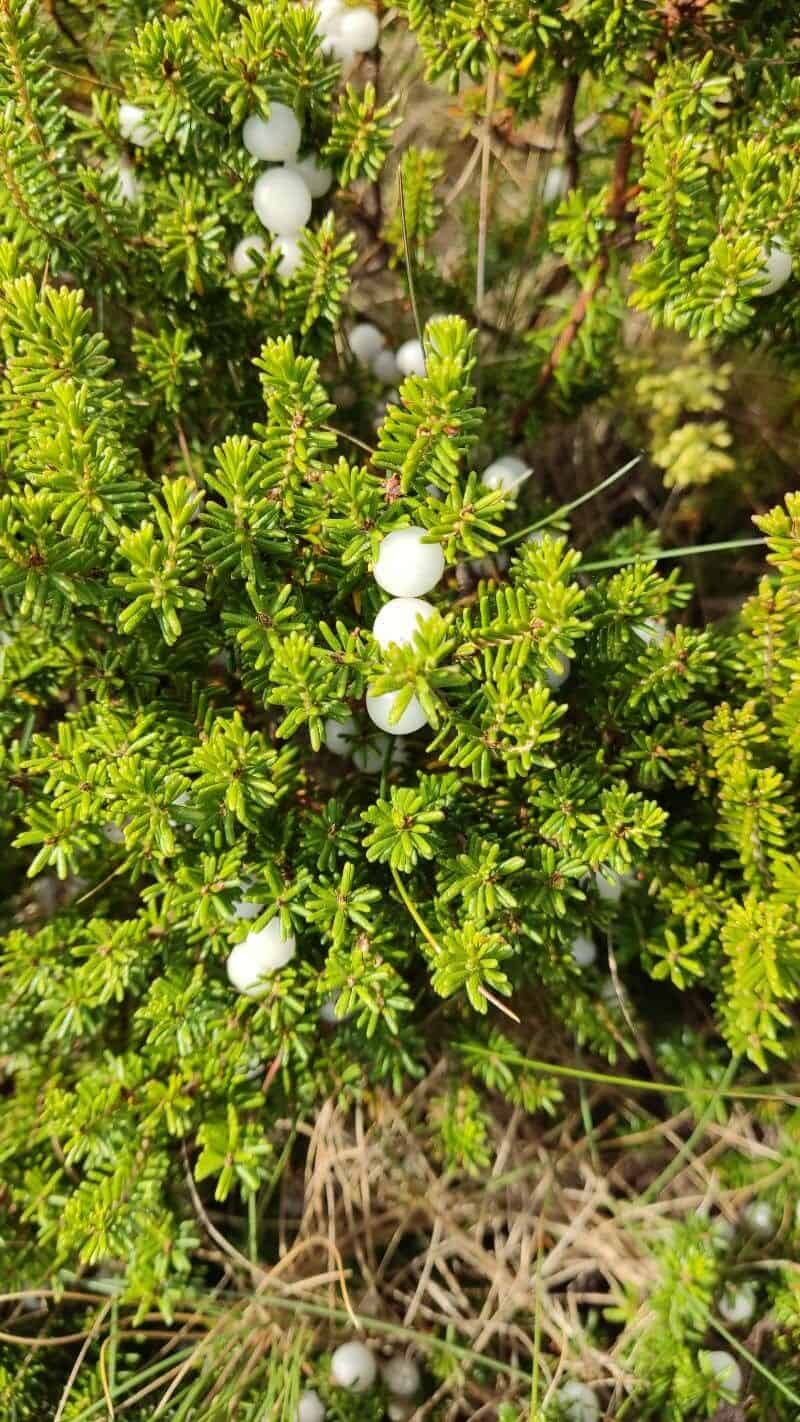
Unlocking the Secrets of the White Broom: A Guide to Propagating Corema album
The White Broom, or Corema album, is a fascinating shrub with a unique beauty, often found gracing coastal landscapes with its delicate white flowers and evergreen foliage. While its resilience in harsh conditions is admirable, propagating this species can feel like an enigmatic quest. Fear not, fellow plant enthusiasts! This guide will unlock the secrets of successfully growing Corema album and bring its charm to your own backyard.
The Challenge of Propagating Corema album
Corema album is notoriously tricky to propagate, primarily because:
- Seed Dormancy: The seeds have a hard coating and internal dormancy mechanisms, making them slow and erratic to germinate in the wild and even under controlled conditions.
- Specific Growing Conditions: This coastal dweller thrives in sandy, acidic soils and requires good drainage, which can be challenging to replicate outside its natural habitat.
- Mycorrhizal Relationships: Like many plants, Corema album forms symbiotic relationships with beneficial fungi (mycorrhizae) in the soil. These fungi can be crucial for seedling establishment and successful growth, adding another layer of complexity to propagation.
Methods of Propagation
While challenging, successfully propagating Corema album is achievable with patience and the right techniques:
1. Seed Propagation: A Test of Patience
- Seed Collection: Harvest ripe fruits (white, fleshy berries) in the fall and extract the seeds.
- Breaking Dormancy: To improve germination rates, mimic natural processes:
- Scarification: Gently rub the seeds with sandpaper to nick the seed coat.
- Stratification: Subject seeds to a period of cold, moist storage (60-90 days) in a refrigerator.
- Sowing: Sow the seeds in a well-draining, acidic potting mix (a blend of peat moss, perlite, and sand works well). Surface sow, as light can encourage germination.
- Patience is Key: Germination can take several months or even a year. Keep the soil consistently moist but not waterlogged.
2. Cuttings: A Quicker Path to Success
Taking cuttings can be a faster method for propagating Corema album:
- Timing is Crucial: Take semi-hardwood cuttings in late summer or early fall.
- Choose Healthy Shoots: Select young, healthy stems and cut them about 4-6 inches long, making the cut just below a leaf node.
- Hormone Boost: Dip the cut end in rooting hormone to encourage root development.
- Create a Humid Environment: Plant the cuttings in a well-draining mix and enclose the pot in a plastic bag or use a propagation dome to maintain high humidity.
- Monitoring and Care: Keep the cuttings in bright, indirect light and ensure the soil remains consistently moist.
Cultivating Success: Caring for Your Corema album
- Sunlight Requirements: Place your plants in a location that receives full sun to partial shade.
- Watering Needs: Water regularly, especially during dry periods, but ensure proper drainage to avoid root rot.
- Soil Preferences: Maintain the acidic pH of the soil with occasional amendments like sulfur or iron sulfate if needed.
- Providing Support: Consider staking young plants to help them establish strong, upright growth.
Propagating Corema album might require a bit more effort than other species, but the reward of fostering this unique and beautiful plant is well worth the challenge. With patience, persistence, and the right knowledge, you can bring the captivating charm of the White Broom to your own garden haven.