
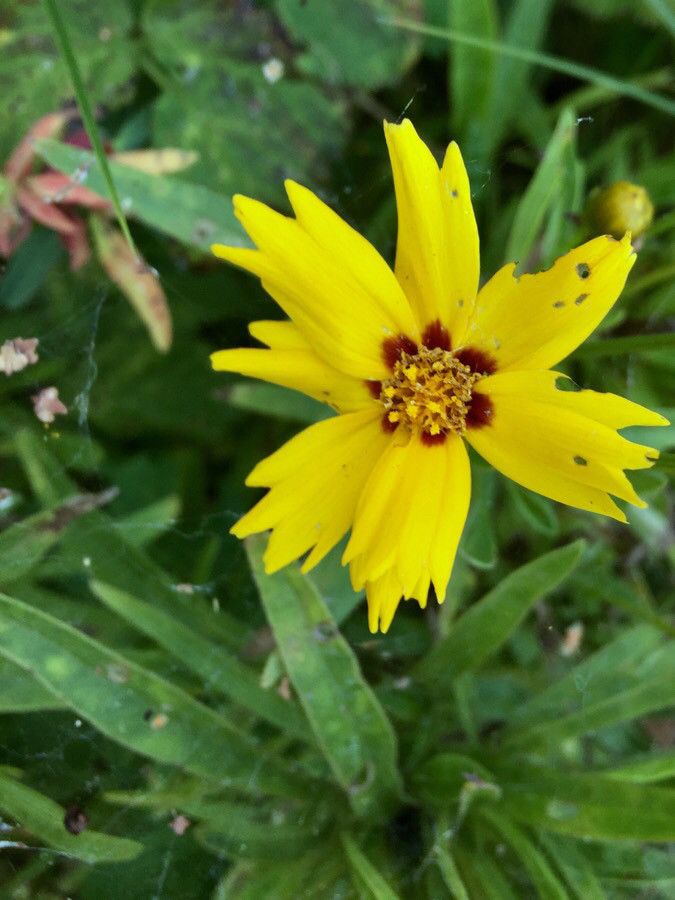
From One to Many: The Easy Joy of Propagating Coreopsis grandiflora
Coreopsis grandiflora, commonly known as “Tickseed”, is a beloved perennial for its cheerful, daisy-like blooms that brighten sunny gardens. But did you know you can easily turn one plant into many? The joy of propagating Coreopsis is a rewarding journey, offering you endless opportunities to expand your garden and share this beauty with friends.
Methods of Propagation: A Symphony of Possibilities
Coreopsis propagation is a breeze, offering several methods for both beginner and experienced gardeners. Let’s dive into some popular ways to create new plants:
- Seed Starting: This method is ideal for large-scale propagation and offers exciting possibilities for creating new color variations. Simply collect the seeds from mature flower heads, allow them to dry thoroughly, and sow them directly in the garden in spring or start them indoors in early spring for a head start.
- Division: This method is best suited for established plants and allows you to create new, healthy plants quickly. In spring or fall, carefully dig up the plant and gently separate the root ball into individual sections, each containing healthy foliage and roots. Replant these divisions in well-prepared soil, and voilà, new plants!
- Stem Cuttings: This technique is a popular choice for propagating many flowering plants, including Coreopsis. In early summer, take stem cuttings about 4-6 inches long from healthy, non-flowering stems. Remove the lower leaves, leaving a few at the top. Dip the cut ends in rooting hormone, and plant them in a pot filled with moist potting mix. Keep the cuttings in a bright, indirect light location and wait for roots to develop (usually within a few weeks).
Boosting Success: Tips for Thriving Coreopsis
- Timing is Key: While Coreopsis can be propagated throughout the growing season, starting seeds in spring and dividing plants in spring or fall provides optimal conditions for successful growth.
- The Right Soil: Coreopsis thrives in well-drained soil that is slightly acidic to neutral. Amend your soil with compost or other organic matter for optimal drainage and nutrient content.
- Sunlight Is a Must: Like most flowers, Coreopsis requires full sun (at least 6 hours of direct sunlight per day) to thrive.
- Water Wisely: Allow the soil to dry out slightly between waterings, avoiding over-watering, which can lead to root rot.
From Garden to Home: Sharing the Joy of Coreopsis
Once your propagated Coreopsis plants reach a manageable size, consider sharing them with friends, family, or even your local community garden. You can nurture the joy of gardening and create a vibrant community of plant lovers.
The beauty of coreopsis lies in its adaptability and easy propagation. No matter your gardening expertise, you can enjoy the thrill of creating new plants from a few simple steps. So, go ahead, explore the possibilities, and let your garden bloom with the cheerful beauty of Coreopsis!