
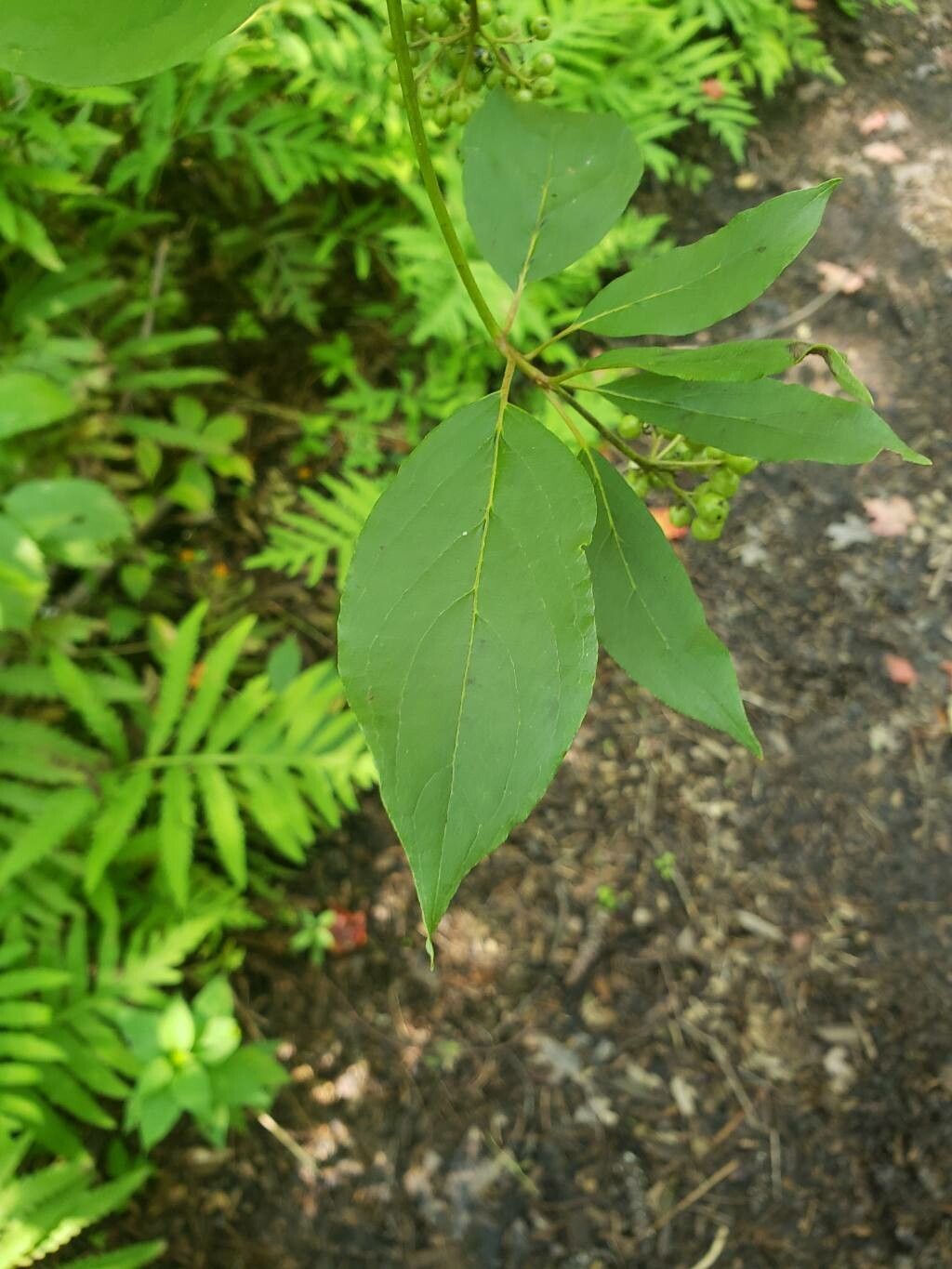
Propagating Cornus amomum: A Gardener’s Guide to the Silky Dogwood
Cornus amomum, commonly known as the silky dogwood, is a captivating native North American shrub prized for its vibrant red fall foliage, striking blue fruits, and attractive branching structure. Its tolerance to a wider range of conditions compared to some other dogwoods makes it a popular choice amongst gardeners, particularly those seeking wildlife-friendly landscaping. However, propagating this beautiful shrub can present some unique challenges. This article explores various propagation methods, assesses their viability, and offers practical guidance for successful cultivation.
Seed Germination:
Currently, there are no known reliable methods for seed germination propagation of Cornus amomum. While seeds are produced, germination rates are notoriously low and unpredictable, even with stratification techniques. The dormancy requirements are complex and often result in inconsistent sprouting. Therefore, relying on seed germination for propagating silky dogwood is generally discouraged due to the low success rate and time investment involved.
Cuttings:
Cuttings offer a more promising approach to propagating Cornus amomum. Softwood cuttings, taken in spring from new growth, show some potential for success.
Challenges: Rooting can be slow and inconsistent. Cuttings require high humidity and consistent moisture to prevent desiccation. The use of rooting hormones significantly increases the chances of success.
Practical Tips: Take 4-6 inch cuttings from the current season’s growth with several leaf nodes. Remove lower leaves and dip the cut end into a rooting hormone powder. Plant in a well-draining propagation mix, keeping it consistently moist but not waterlogged. Cover with a humidity dome or plastic bag to maintain high humidity. Place in a shaded area with indirect light. Rooting may take several weeks to months.
Rewards: Cuttings provide for relatively quick propagation of genetically identical plants to the mother plant, preserving desirable characteristics.
Division:
Division is a viable and relatively straightforward method for propagating Cornus amomum, particularly for established, larger plants.
Challenges: Division is only possible with mature plants, requiring careful handling to avoid root damage which can severely impede the success of the process. The timing needs to be right, during dormancy period (depending on climate).
Practical Tips: Divide the plant in early spring or late fall when the plant is dormant. Dig up the entire plant carefully and gently separate the root ball into several smaller sections, ensuring each section has sufficient roots and stems. Replant the divisions immediately, ensuring adequate spacing and watering.
Rewards: This method is fast, produces immediate results, and is relatively easy compared to other propagation methods. It’s particularly good for maintaining desirable characteristics of a specific plant.
Tissue Culture:
Tissue culture is a highly specialized technique that is less commonly used for propagating Cornus amomum by home gardeners.
Challenges: Tissue culture requires specialized equipment, sterile conditions, and expertise in plant tissue culture techniques. This method is generally confined to commercial nurseries or research settings.
Practical Tips: Not applicable for the average home gardener. Requires specialized equipment, media, and expertise.
Rewards: Large-scale propagation with rapid multiplication of genetically identical plants is possible. Disease-free plants can be generated.
Conclusion:
Successfully propagating Cornus amomum presents varying degrees of challenge depending on the chosen method. While seed germination offers the promise of genetic diversity, it’s currently unreliable. Cuttings provide a viable option for the home gardener, requiring patience and attention to detail. Division offers a more immediate payoff, best suited for established plants. Tissue culture remains a domain for commercial propagation. The rewards of successfully cultivating silky dogwood, however, are significant. The satisfaction of nurturing a cutting into a thriving shrub, or the immediate impact of a successfully divided plant, offers a sense of accomplishment that deeply connects the gardener to the natural world. For aspiring propagators of Cornus amomum we encourage experimentation, particularly pursuing cuttings and division, recognizing each method’s unique challenges and rewards. Patience and persistence are key to success, and the beauty of the resulting plants well justifies the effort.