
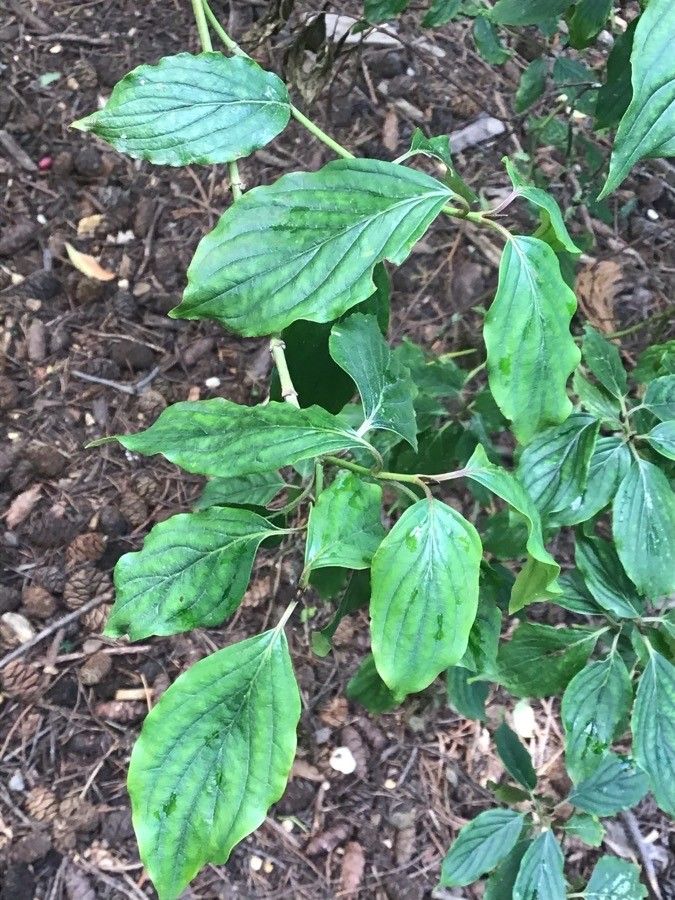
Unlocking the Secrets to Propagating Cornus Schindleri: A Guide for Gardeners
Cornus schindleri, commonly known as the Schindler’s Dogwood, is a captivating deciduous shrub prized for its striking foliage and showy blooms. While its beauty is undeniable, many gardeners are hesitant to add it to their collections due to its relatively high price tag. However, did you know that you can easily propagate these stunning shrubs yourself through a variety of methods?
By mastering the art of propagation, you can unlock the potential to grow your own Cornus schindleri collection, significantly reducing costs and fostering a deeper connection with your garden.
The Magic of Cutting Propagation:
The most common and effective method for propagating Cornus schindleri is through softwood cuttings. This method involves taking cuttings from new, tender growth during the spring or early summer.
- Timing is Key: Select healthy, vigorous shoots that have just finished growing but haven’t hardened off yet.
- Preparing the Cuttings: Make a clean cut just below a node, leaving a section of stem around 4-6 inches long. Remove any leaves from the lower half of the cutting.
- Rooting Hormone: Dip the cut end of the cutting in rooting hormone to stimulate root development.
- Planting: Plant your cuttings in a well-draining growing medium, such as a mixture of peat moss and perlite. Ensure the cuttings are planted at a depth that allows the lower leaf nodes to be just below the surface. Keep the cuttings moist but not soggy.
- Patience is a Virtue: Patience is key! Softwood cuttings typically take several weeks to develop roots. Keep the cuttings in a shady location and maintain consistent moisture.
Embracing the Simplicity of Layering:
If you’re looking for a more straightforward approach, layering offers an excellent alternative. This method involves bending a branch of the parent plant and placing it in contact with the soil.
- Choose a Flexible Branch: Select a branch that is low-growing and flexible enough to bend towards the ground.
- Scratch the Bark: Make a small scratch on the underside of the branch where it will be buried. This will help stimulate root development.
- Secure the Branch: Pin the scratched portion of the branch to the soil using a bent wire or stone. Cover the buried section with soil and keep it moist.
- Monitor for Success: Over time, the buried branch will develop roots. You can check for root development by gently tugging on the branch. Once roots have formed, you can carefully separate the new plant from the parent plant.
Expanding your Options with Grafting:
While less commonly used for Cornus schindleri, grafting offers a valuable option for propagating specific cultivars or propagating a rare, hard-to-find variety. This method involves joining a scion (cutting) from the desired cultivar to the rootstock of a compatible plant.
- Select Compatible Plants: Grafting can be complex, so it’s crucial to choose a rootstock that is compatible with the desired scion.
- Prepare the Scion & Rootstock: The scion and rootstock must be prepared carefully, using a sharp knife to create a clean, matching cut.
- Secure the Graft: Once the cuts are matched, the scion and rootstock are secured together using grafting tape or wax.
- Provide Optimal Conditions: The grafted plant needs to be kept in a warm, humid environment to encourage healing and root development.
Success is Within Your Grip:
With a little time, effort, and dedication, you can successfully propagate Cornus schindleri and enjoy the beauty of these stunning shrubs for years to come. Choose the method that best suits your skills and resources, and observe the results with pride as your new plants flourish. Remember, propagation is not just a technique, it’s a journey of discovery, allowing you to connect with nature on a deeper level and create a garden truly unique to you.