
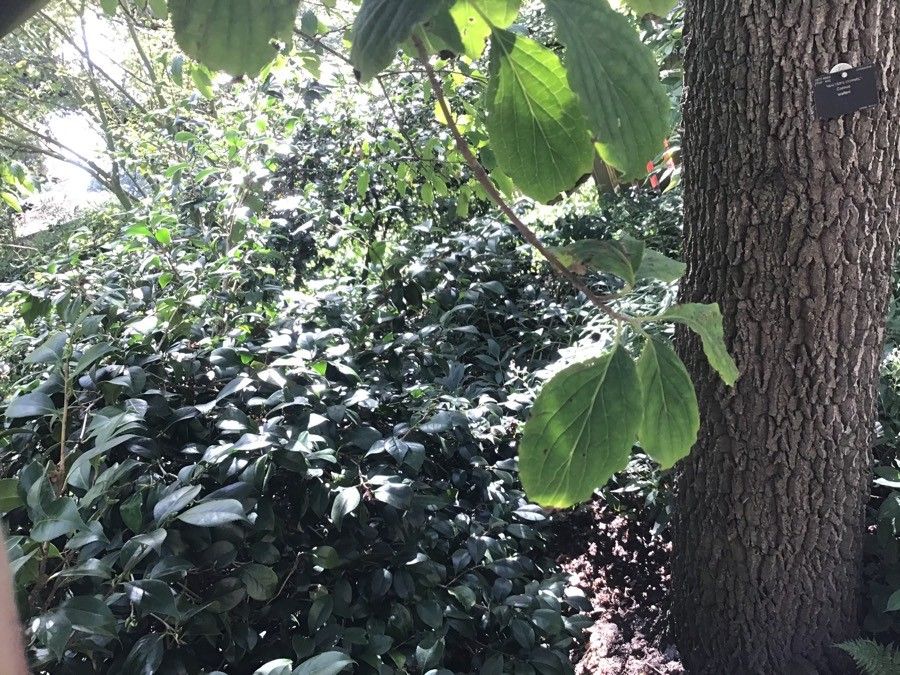
Unlocking the Secrets of Walter’s Dogwood Propagation: A Guide to Growing More of This Stunning Tree
Walter’s dogwood (Cornus walteri), with its elegant silhouette, creamy white flowers, and vibrant fall foliage, is an exceptional addition to any landscape. But did you know that propagating this stunning tree isn’t as daunting as it seems? Whether you’re looking to expand your own garden or share this beauty with friends, this guide will equip you with the knowledge to propagate Walter’s dogwood successfully.
Understanding the Options: Seeds, Cuttings, or Both?
Walter’s dogwood offers two primary avenues for propagation:
Seed Propagation: While possible, growing from seed requires patience and a bit of luck. Seeds collected in the fall need a period of cold stratification to mimic natural winter conditions. This involves storing them in a moist medium in the refrigerator for a few months before sowing in spring.
- Cutting Propagation: This method, focusing on rooting stem sections, offers a faster route to mature plants with a higher success rate. It’s the preferred choice for replicating the specific characteristics of a desirable parent plant.
Mastering the Art of Cutting Propagation:
Timing is Key: Early summer, when new growth is mature but still pliable, is the ideal time to take cuttings.
Selecting the Perfect Cuttings: Look for healthy, vigorous shoots from the current year’s growth. These cuttings, about 4-6 inches long with several leaf nodes, are bursting with potential.
Preparing the Cutting:
- Using a sharp, clean knife or pruning shears, make a cut just below a leaf node.
- Remove the leaves from the bottom third to a half of the cutting.
- To encourage root development, consider dipping the cut end in rooting hormone powder (available at most garden centers).
Creating the Rooting Environment: Fill small pots or a seed tray with a well-draining potting mix specifically formulated for cuttings. Moisten the mix thoroughly.
Planting the Cuttings: Create a small hole in the mix with a pencil and gently insert the bottom portion of the cutting, making sure the leaf nodes are buried.
Providing the Right Conditions:
- Humidity is Crucial: Cover the cuttings with a plastic dome or bag to trap moisture and create a humid environment.
- Bright, Indirect Light: Place your cuttings in a well-lit area but out of direct sunlight to prevent scorching.
- Maintain Moisture: Check the soil regularly and mist as needed to keep it consistently moist, not soggy.
Patience is a Virtue: Rooting typically takes 4-8 weeks. Gently tug on a cutting; resistance indicates successful rooting.
- Transplanting Your Success: Once rooted, gradually acclimate your new plants to outdoor conditions before transplanting them to larger containers or your garden.
Nurturing Your New Walter’s Dogwood:
- Watering: Water regularly during the first year, especially during dry spells.
- Sunlight: While tolerant of some shade, Walter’s dogwood thrives in full sun to part shade.
- Soil: Well-drained, slightly acidic soil is ideal.
- Fertilizer: Feed with a balanced fertilizer in spring.
Propagating Walter’s dogwood may require some effort, but the rewards are well worth it. By following these steps, you can enjoy the beauty of this remarkable tree for years to come and share your success with fellow gardening enthusiasts.