
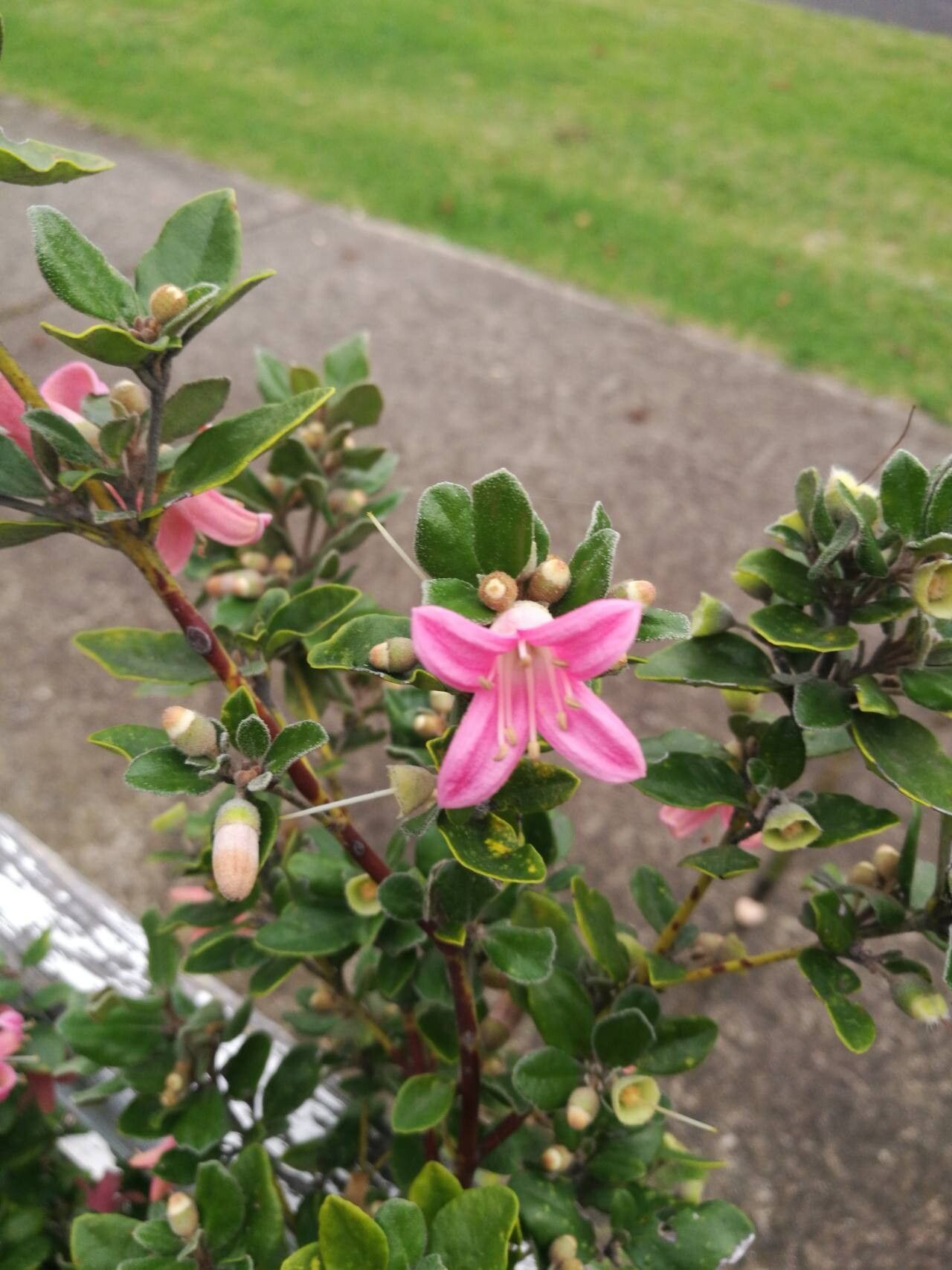
Correa alba: A Beginner’s Guide to Propagation
The Correa alba, also known as the “White Correa” or “Native Fuchsia,” is a delightful Australian native with beautiful, bell-shaped white flowers that bloom from winter to spring. These charming shrubs are not only visually appealing but also attract a variety of pollinators to your garden. If you’re a gardening enthusiast, you’ll be happy to know that propagating Correa alba is fairly straightforward and can be done through several methods.
1. The Magic of Seed Propagation
Correa alba can be grown from seed, and it’s a rewarding experience to watch these tiny seeds develop into thriving plants. Here’s how to do it:
- Collect the seeds: Once the flowers fade, brown seed capsules will develop on the plant. Collect these when they’re dry and brown, carefully extracting the small, dark seeds inside.
- Prepare the soil: Fill a seed tray with a well-draining seed-raising mix.
- Sow the seeds: Gently press the seeds into the surface of the soil and lightly water them. Cover the tray with a clear plastic dome or wrap to create a humid environment.
- Keep it warm and bright: Place the tray in a warm spot with bright, indirect sunlight.
- Patience is key: Germination can take several weeks, so be patient! Once seedlings emerge, remove the dome or wrap and gradually acclimate them to their environment.
2. The Simplicity of Cuttings
For those who prefer a faster way to propagate, taking cuttings is an excellent option. Here’s a step-by-step guide:
- Choose the right cuttings: Select healthy, non-flowering stems from the current year’s growth. Choose a section about 10-15 cm long.
- Prepare the cutting: Using a sharp knife or pair of secateurs, make a clean cut just below a leaf node (the point where a leaf grows from the stem).
- Remove the lower leaves: Remove all the leaves from the bottom 2-3 cm of the cutting.
- Dip in rooting hormone (optional): Applying a rooting hormone can help to encourage root development, but it’s not essential.
- Plant the cutting: Insert the cutting into a pot filled with a well-draining potting mix. Ensure that at least 2 leaf nodes are covered with soil.
- Maintain humidity: Cover the pot with a plastic bag or dome to maintain humidity.
- Place in a bright spot: Keep the pot in a bright, indirect light spot.
- Keep the soil moist: Water regularly to keep the soil moist, but avoid overwatering.
3. The Art of Layering
For a foolproof method that requires minimal effort, you can try layering your Correa alba. This involves encouraging a stem to root while still attached to the parent plant:
- Select a suitable branch: Choose a flexible branch that is close to the ground.
- Score the stem: Using a sharp knife, make a shallow cut or scratch on the underside of the branch.
- Wrap the branch in moist sphagnum moss: Wrap the scored part of the branch with moist sphagnum moss and secure it with plastic wrap or string.
- Keep the moss moist: Regularly mist the moss to ensure it stays moist.
- Wait for roots to develop: Within a few months, roots should start to form.
- Separate the new plant: Once the new plant has established roots, sever the connection between it and the parent plant.
Tips for Success
- Use well-draining soil: Correa alba prefers well-draining soil, so ensure the potting mix you use is suitable.
- Provide adequate sunlight: Correa alba loves a sunny spot, but it can tolerate some shade.
- Water regularly: Keep the soil evenly moist, but avoid overwatering.
- Prune regularly: Regular pruning can encourage bushier growth and keep your Correa alba looking its best.
By following these simple guidelines, you can successfully propagate your Correa alba and share the beauty of these native shrubs with others. Whether you choose to start from seed, grow from cuttings, or try layering, there’s a method that’s perfect for your gardening needs.