
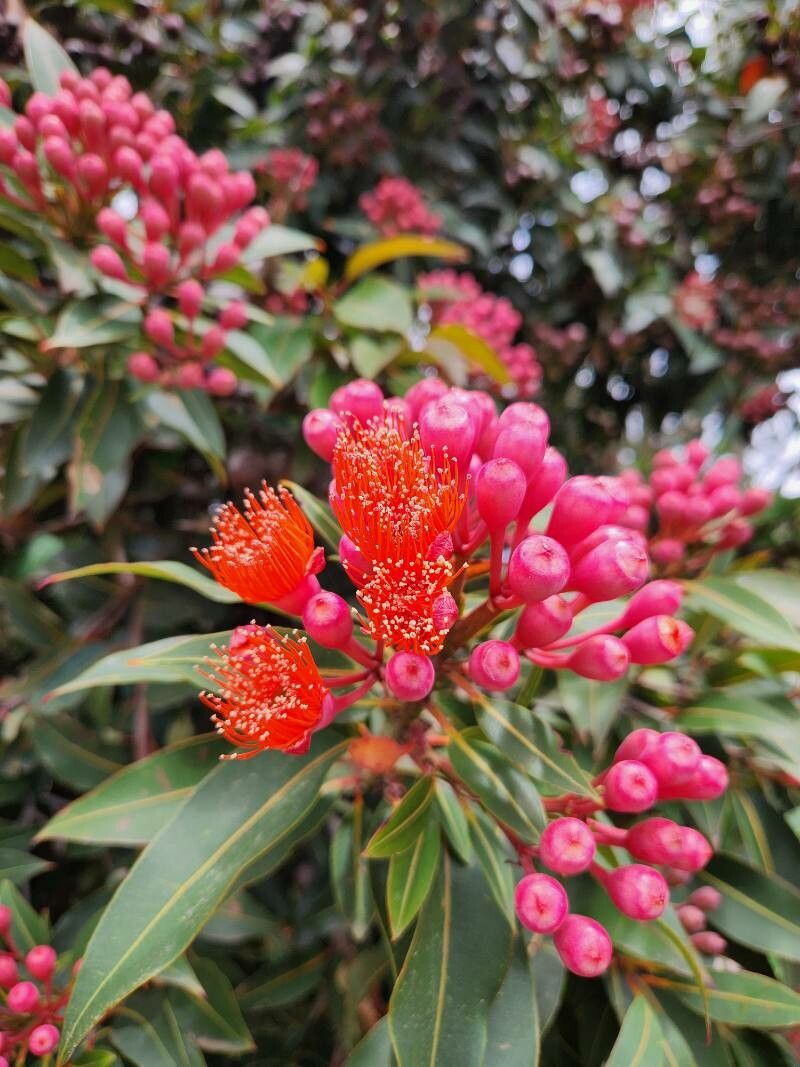
Painting Your Garden with Fire: Propagating the Spectacular Corymbia ficifolia
The Corymbia ficifolia, more commonly known as the flowering gum or red flowering gum, is a showstopper in any garden. Its vibrant red, orange, or pink blooms burst forth in the summer, attracting birds and envious glances alike. If you’re lucky enough to have one gracing your space, you’ve likely considered propagating it to share its beauty or simply expand your own floral tapestry. Let’s explore the fascinating world of Corymbia ficifolia propagation, demystifying the process and empowering you to grow more of these magnificent trees.
Seed Propagation: A Test of Patience
Propagating Corymbia ficifolia from seed is the most common method, offering a rewarding journey from tiny seed to towering tree. However, it’s a path that requires patience, as germination can be slow and somewhat unpredictable. Here’s a step-by-step guide:
- Seed Collection and Preparation: Corymbia ficifolia seeds are housed in small, woody capsules called gumnuts. Collect mature, brown gumnuts in late summer or fall. Spread them out in a warm, dry location until they open, releasing the seeds.
- Sowing: Sow seeds in a well-draining seed-raising mix during late spring or early summer. Sprinkle the tiny seeds on the surface and lightly cover them with a thin layer of mix.
- Warmth and Moisture: Corymbia ficifolia seeds enjoy warm temperatures for germination. A heat mat can be beneficial. Maintain consistent moisture by misting the soil surface regularly, ensuring it doesn’t become soggy.
- Germination and Growth: Germination can take anywhere from a few weeks to several months, so don’t despair if you don’t see sprouts immediately. Once seedlings emerge, provide ample sunlight and gradually reduce watering frequency.
- Transplanting: When seedlings are large enough to handle, transplant them into individual pots filled with a well-draining potting mix. Continue growing them in a sunny location, providing adequate water and fertilizer.
Cuttings: A Quicker Route to Success
For a faster method that ensures you’re replicating the exact characteristics of your existing tree, consider propagation from cuttings. This method, however, can be slightly trickier than seed propagation.
- Timing is Key: Take cuttings from semi-hardened wood in late spring or early summer when the new growth is mature but not yet woody.
- Cut and Prepare: Select healthy, vigorous shoots and make a clean cut just below a node (where leaves emerge). Remove leaves from the lower half of the cutting.
- Rooting Hormone: Dip the cut end of the cutting into a rooting hormone powder or gel to encourage root development.
- Planting and Environment: Plant the cutting in a well-draining potting mix, burying about a third of its length. Cover the pot with a clear plastic bag or use a propagation dome to create a humid environment.
- Patience is Still a Virtue: Keep the cutting consistently moist and in a warm, bright location out of direct sunlight. Rooting can take several weeks to a few months.
- Signs of Success: Once new growth appears, it’s a good sign that roots have developed. Gradually acclimate the cutting to outdoor conditions before transplanting it to its permanent location.
Worth the Effort
Propagating Corymbia ficifolia, whether by seed or cuttings, is a labor of love. While it demands patience and dedication, the reward of cultivating these majestic trees from scratch is immensely satisfying. Imagine the pride of watching your very own Corymbia ficifolia sapling mature into a breathtaking focal point in your garden, showcasing its fiery blooms year after year.