
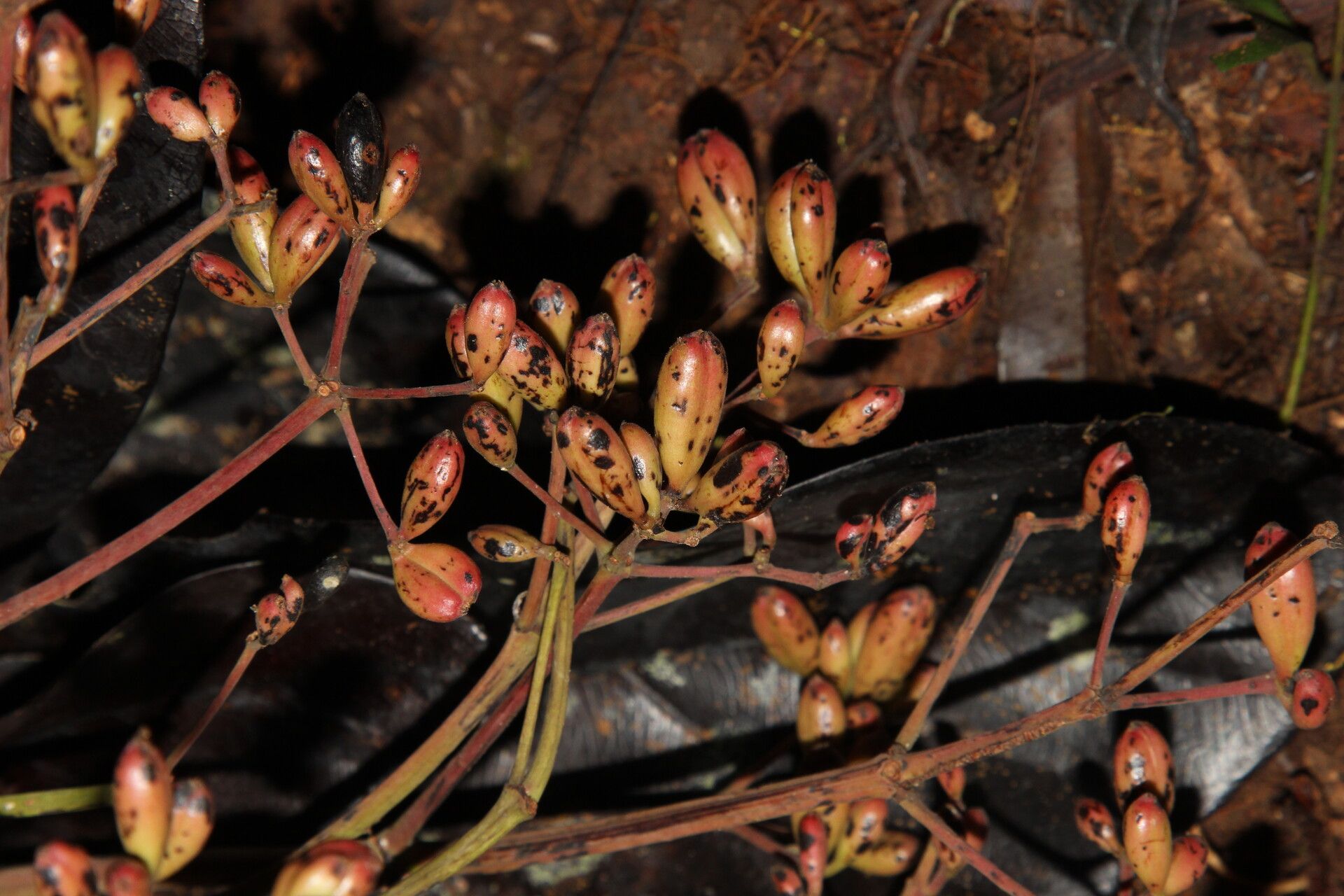
Unlocking the Secrets of Yohimbe Propagation: A Guide to Growing this Powerful Plant
Yohimbe, a tree native to Central and Western Africa, has captured the world’s attention for its potent medicinal properties. While often associated with its bark extract used in traditional medicine and supplements, cultivating this fascinating plant can be a rewarding experience for dedicated enthusiasts. This guide will delve into the art of propagating Corynanthe johimbe, commonly known as Yohimbe, empowering you to nurture this botanical wonder.
Propagating Yohimbe: A Seed-Based Journey
Propagating Yohimbe primarily relies on the germination of its seeds. While cuttings can potentially work, their success rate is significantly lower. So, if you’re ready to embark on this exciting horticultural adventure, here’s a step-by-step breakdown:
1. Sourcing the Seeds:
Acquiring viable Yohimbe seeds is the crucial first step. Reputable online vendors specializing in exotic seeds are your best bet. Ensure you’re purchasing from a trustworthy source to maximize your chances of successful germination.
2. Preparing the Seeds:
Yohimbe seeds have a hard outer shell that can hinder germination. To overcome this, we recommend a process called “scarification”:
- Soaking: Submerge the seeds in warm water for 24-48 hours. This softens the outer shell and signals the seed to prepare for germination.
- Nicking or Scarification: After soaking, carefully make a small nick or scratch on the seed coat opposite the hilum (the small indentation on the seed). Avoid damaging the inner seed.
3. Planting the Seed:
- Soil: Choose a well-draining seed starting mix. A combination of peat moss, perlite, and vermiculite works well.
- Planting: Plant each seed about 1/2 to 1 inch deep in individual pots.
- Environment: Maintain a warm, humid environment for optimal germination. Using a propagation dome or covering the pots with plastic wrap can help retain moisture. Aim for a temperature range of 75-85°F (24-29°C).
4. Patience is Key:
Germination can take anywhere from a few weeks to a couple of months. Be patient and ensure the soil remains consistently moist but not waterlogged. Overwatering can lead to seed rot and hinder germination.
5. Nurturing the Seedlings:
Once the seedlings emerge, provide them with ample bright, indirect light. Gradually acclimate them to direct sunlight as they grow stronger. Fertilize them bi-weekly with a diluted, balanced fertilizer to support healthy growth.
Challenges and Considerations
- Legality: Before cultivating Yohimbe, research local regulations. In some regions, growing this plant might be restricted due to its potent properties.
- Toxicity: Handle Yohimbe with caution, as all parts of the plant are considered toxic if ingested in large amounts. Wear gloves when handling seeds and seedlings.
- Patience: Growing Yohimbe from seed is a test of patience. Be prepared for a longer process and occasional setbacks along the way.
Reaping the Rewards
While cultivating Yohimbe presents its challenges, witnessing the journey from seed to seedling to a mature plant can be immensely rewarding for dedicated growers.
Important Disclaimer: This information is for educational purposes only and should not be construed as medical advice. Consult a qualified healthcare professional before using Yohimbe or its extracts for any health concerns.