
Propagating Coryphantha neglecta: A Guide for the Determined Cactus Enthusiast
Introduction:
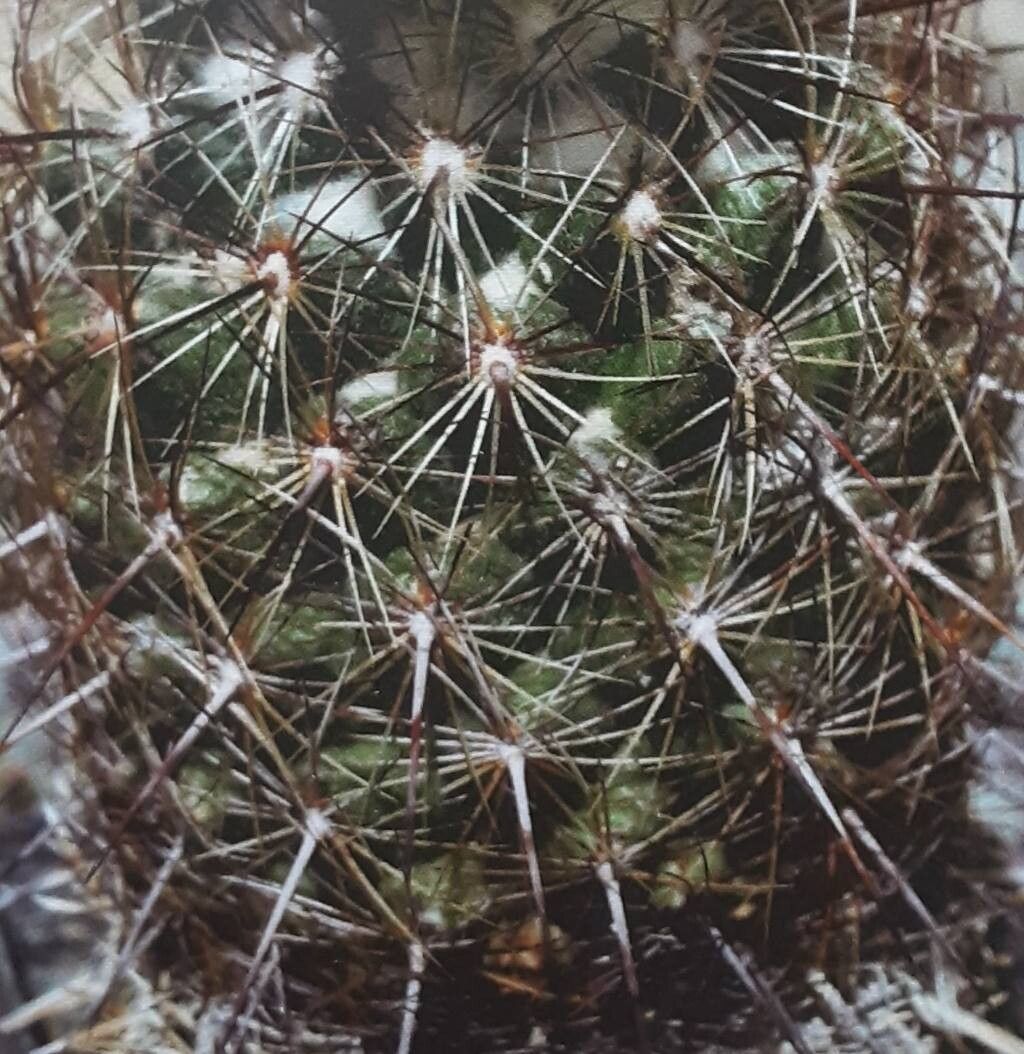
Coryphantha neglecta, sometimes called the "Neglected Coryphantha," is a charming, relatively small cactus species native to Mexico. Characterized by its diminutive size, attractive tubercles, and often stunning floral displays, it’s steadily gaining popularity among cactus enthusiasts. Its compact form makes it ideal for containers and rock gardens, further fueling its appeal. However, propagating this species presents unique challenges, demanding patience and a degree of horticultural expertise. This article explores various propagation methods, highlighting their viability and associated difficulties.
Seed Germination:
Seed germination is a viable method for propagating Coryphantha neglecta, but it’s not without its hurdles. Challenges include low germination rates and the susceptibility of seedlings to damping-off diseases.
Challenges: Fresh seeds are crucial for higher success rates. Old seeds have significantly reduced viability. Maintaining sterile conditions during sowing is paramount to prevent fungal infections.
Practical Tips: Sow seeds in a well-draining cactus and succulent mix, barely covering them with fine grit. A warm (20-25°C), bright location (but avoiding direct sunlight) is essential. Gentle bottom watering is recommended to avoid disturbing the delicate seedlings. Stratification (a period of cold treatment) isn’t typically required for this species, but some sources suggest a brief period of chilling may be beneficial.
Rewards: Seed-grown plants offer the greatest genetic diversity, resulting in a wider range of characteristics within the offspring. This method also allows for large-scale propagation, potentially yielding numerous plants from a single seed batch.
Cuttings:
Currently, there are no known reliable methods for propagation of Coryphantha neglecta via cuttings. This species does not readily produce cuttings that root successfully.
Division:
Division is generally not a practical method for Coryphantha neglecta propagation. These plants typically form single stems or small clusters that are not easily divided without causing significant damage and reducing the chances of survival for the smaller plants.
Tissue Culture:
Tissue culture offers a potential, albeit complex, method for propagating Coryphantha neglecta. This technique involves growing plant tissues in a sterile, nutrient-rich medium.
Challenges: Tissue culture requires specialized equipment, aseptic techniques, and a detailed understanding of plant tissue culture protocols. Contamination is a major risk and can quickly ruin an entire culture. It necessitates substantial investment in equipment and supplies.
Practical Tips: Establishing a sterile environment is critical. Specific media formulations are needed to promote growth and avoid issues such as callus formation. Successful propagation requires ongoing monitoring and meticulous adjustments to environmental conditions.
Rewards: Tissue culture allows for rapid and large-scale propagation of genetically identical plants (clones). This is particularly useful for preserving rare or desirable cultivars.
Conclusion:
Propagating Coryphantha neglecta presents a unique set of obstacles. While seed germination is a viable (if challenging) option that offers genetic diversity, other methods like cuttings and division are generally ineffective. Tissue culture offers the potential for large-scale propagation but requires a specialized setup and expertise.
Despite the difficulties each method presents, the reward of successfully cultivating this captivating cactus from seed or through tissue culture is substantial. The patience, skill, and dedication required contribute to the profound sense of achievement that comes with nurturing a plant from its most basic form. For aspiring propagators, we recommend starting with seed germination, taking meticulous care to maintain sterile conditions and provide ideal environmental parameters. Don’t be discouraged by initial setbacks – the beauty and uniqueness of Coryphantha neglecta make the effort entirely worthwhile.