
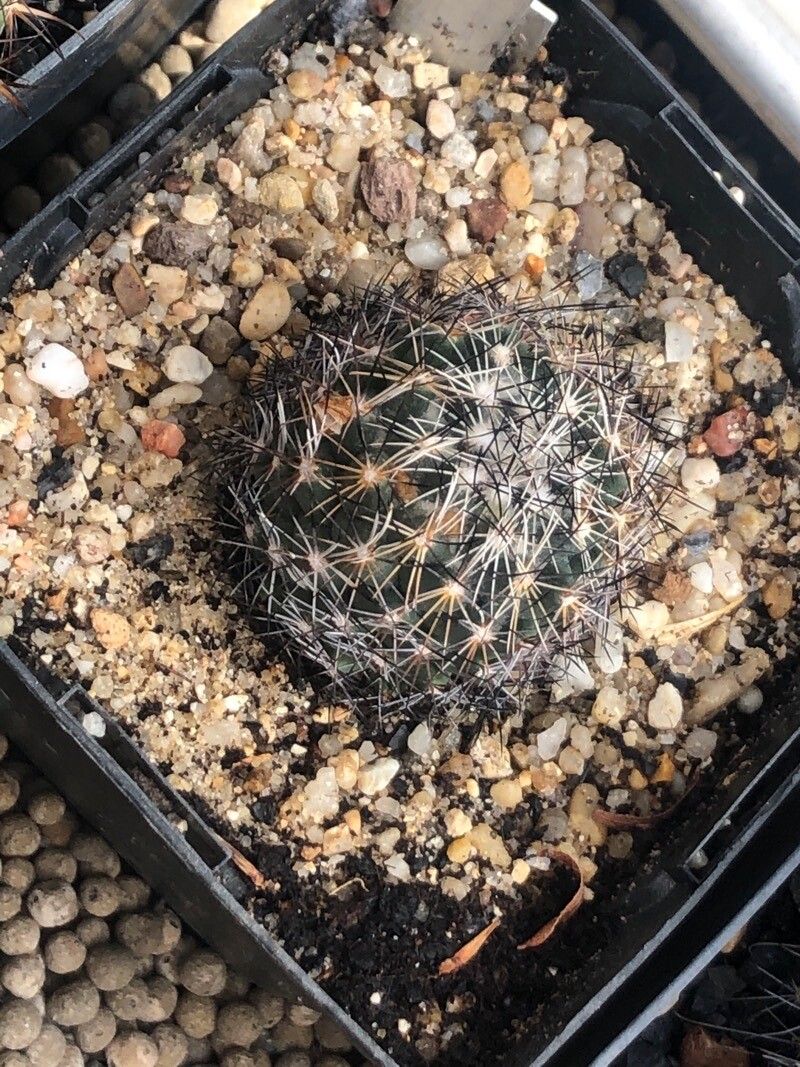
From One to Many: Propagating the Enchanting Coryphantha Nickelsiae
The Coryphantha nickelsiae, with its captivating, spiky beauty, is a true gem among cactus enthusiasts. Native to Mexico, this species boasts alluring, emerald-green bodies adorned with prominent, white spines that create a mesmerizing contrast. But its appeal goes beyond appearance; propagating this cactus is a rewarding experience, allowing you to share its captivating charm with others or simply multiply your own collection.
Understanding the Basics:
Two primary methods exist for propagating Coryphantha nickelsiae: seed propagation and offset propagation.
- Seed propagation offers the thrill of watching a tiny seed transform into a formidable cactus. It’s an excellent option for those who enjoy nurturing life from its earliest stages and desire genetic diversity in their collection.
- Offset propagation, on the other hand, involves separating and planting the ‘babies’ (offsets) produced naturally by the mature cactus. This method is faster and more straightforward, making it ideal for beginners.
The Seed Propagation Journey:
- Sourcing Seeds: Seeds can be obtained from reputable online retailers, specialist nurseries, or even your own mature Coryphantha nickelsiae if it flowers and produces fruit.
- Preparation: Fill a seed tray or pots with a well-draining cactus potting mix. Sow the seeds thinly and cover them lightly with the soil mix.
- Watering and Environment: Keep the soil consistently moist but not waterlogged. Provide ample sunlight (indirect light initially) and warm temperatures (above 70°F).
- Germination: Expect germination within a few weeks, but be patient as it can take up to a month depending on the seed quality and environmental conditions.
- Growth and Care: Once seedlings emerge, provide more direct sunlight and maintain consistent watering, allowing the soil to dry slightly between waterings. Repotting into larger containers will be necessary as the seedlings grow.
Offset Propagation: A Speedier Path:
- Choosing Offsets: Identify plump, healthy offsets that are at least half the size of the mother plant.
- Separation: Carefully detach the offset from the mother plant using a sharp, sterile knife. Ensure a clean cut to prevent disease.
- Preparing the Offset: Allow the cut surface to dry and callous over for a few days. This helps prevent rot.
- Planting: Prepare a well-draining potting mix. Place the offset into a container slightly larger than its root ball. Ensure it’s planted at the same depth it was on the mother plant.
- Watering and Care: Water sparingly initially, allowing the soil to dry almost completely between waterings. Gradually increase watering as the offset establishes roots. Provide ample sunlight and warm temperatures.
Essential Tips for Success:
- Hygiene: Maintain a sterile environment to prevent fungal infections. Sterilize tools before use and be mindful of hygiene during the entire propagation process.
- Sunlight and Temperature: Ample sunlight (with protection from intense midday heat) and warm temperatures are crucial for successful propagation.
- Watering: Overwatering is a common culprit for failure. Allow the soil to dry thoroughly between waterings to prevent root rot.
- Patience: Propagation takes time. Be patient and observe your plants closely for signs of growth or issues.
Propagating Coryphantha nickelsiae requires a little patience, but the rewards are immense. The experience of witnessing life emerge from a seed or seeing a tiny offset thrive is immensely gratifying. With time and care, you can create a thriving collection of these captivating cacti, enriching your home and your understanding of plant propagation.