
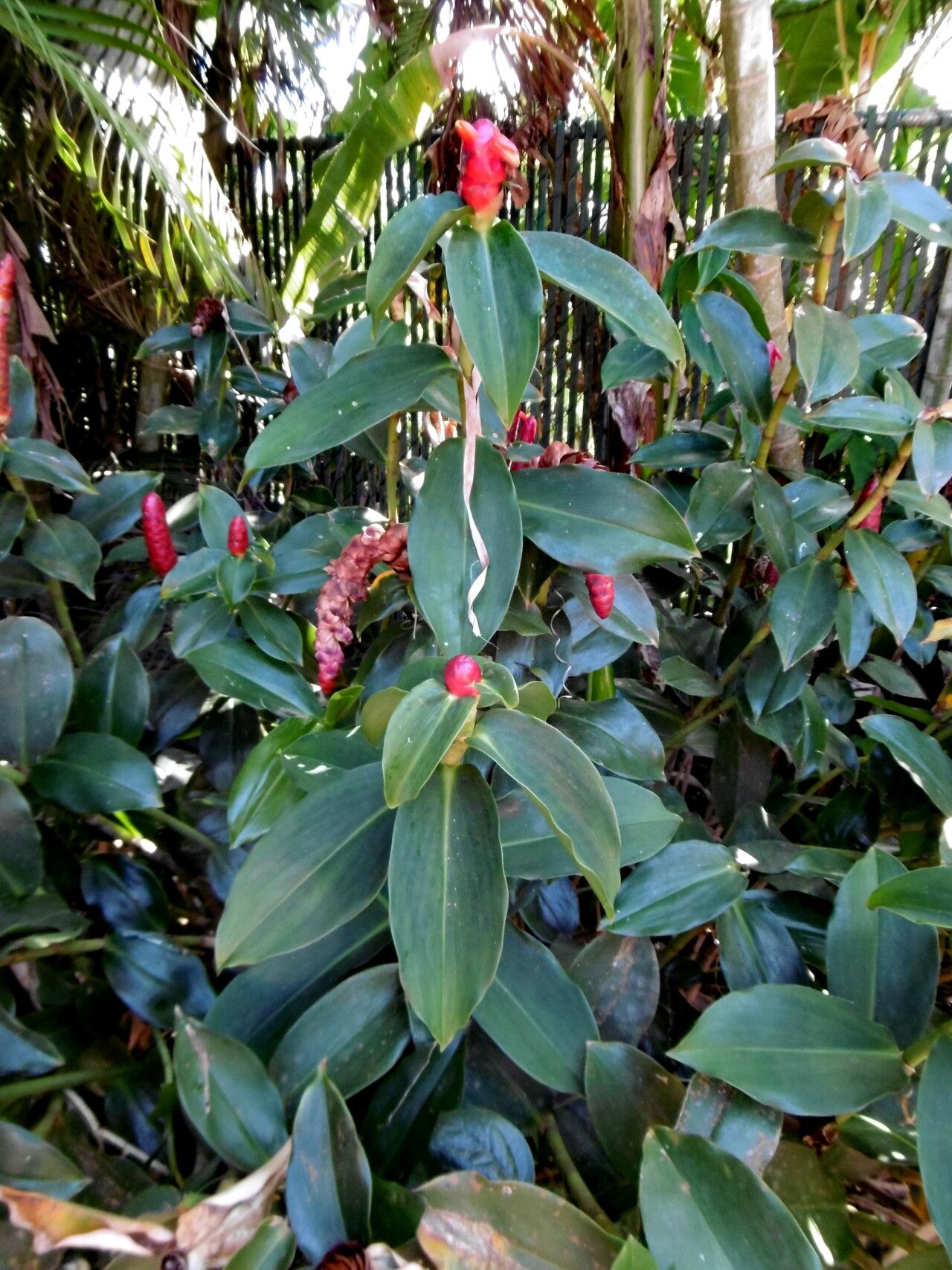
Igniting the Fire: Propagating the Spectacular Costus Barbatus
The Costus barbatus, also known as the Spiral Ginger or Red Tower Ginger, is a sight to behold. This tropical beauty boasts a stunning spiral formation of bright red bracts from which vibrant, tubular flowers emerge. But the spectacle doesn’t stop there! This relatively low-maintenance plant offers multiple ways to propagate, allowing you to easily multiply your collection and share its beauty with others.
Understanding the Options:
- Division: As Costus barbatus grows, it forms rhizomes – underground stems that store nutrients and sprout new shoots. Division, the simplest method of propagation, involves separating these rhizomes to create new plants.
- When: Spring, ideally as new growth appears.
- How: Carefully dig up the plant, ensuring minimal damage to the rhizomes. Using a sharp, clean knife or pruning shears, divide the rhizomes, making sure each section has at least one healthy growth point (“eye”). Replant the divisions at the same depth they were previously growing.
- Cuttings: Propagating from stem cuttings is another effective method, offering quick results and a satisfying sense of accomplishment.
- When: Late spring or early summer, during active growth.
- How: Select a healthy, non-flowering stem and make a clean cut just below a leaf node. Remove the leaves from the lower portion of the cutting, leaving a few at the top. You can dip the cut end in rooting hormone (optional, but recommended for faster rooting). Plant the cutting in a well-draining potting mix, keeping it evenly moist but not soggy.
- Seeds: While less common and more time-consuming, propagating Costus barbatus from seeds can be a rewarding experience.
- When: Spring, after the last frost.
- How: Sow seeds in a well-draining seed starting mix, lightly covering them with soil. Maintain warmth and humidity by covering the tray with a plastic dome or placing it in a propagator. Germination can take several weeks to months, so patience is key.
Tips for Success:
No matter which propagation method you choose, consider these tips for optimal success:
- Well-draining soil: Costus barbatus thrives in well-draining soil that retains moisture but doesn’t become waterlogged. A mix of peat moss, perlite, and vermicast is ideal.
- Warmth and Humidity: As a tropical plant, Costus barbatus prefers warm temperatures (65-85°F) and moderate to high humidity. For cuttings and seeds, consider using a heat mat and humidity dome to create a conducive environment.
- Bright, Indirect Light: Avoid placing new propagations in direct sunlight, which can scorch the foliage. Instead, opt for a location with bright, indirect light.
- Patience & Observation: Be patient! Propagation takes time, and each plant is unique. Observe your new plants closely, providing adequate moisture, and adjust care as needed based on their response.
Propagating Costus barbatus is simpler than its exotic beauty might lead you to believe. With a little effort and patience, you can easily multiply your collection and share the joy of this vibrant plant with fellow plant enthusiasts. So, go ahead, ignite the fire and watch your Costus barbatus flourish!