
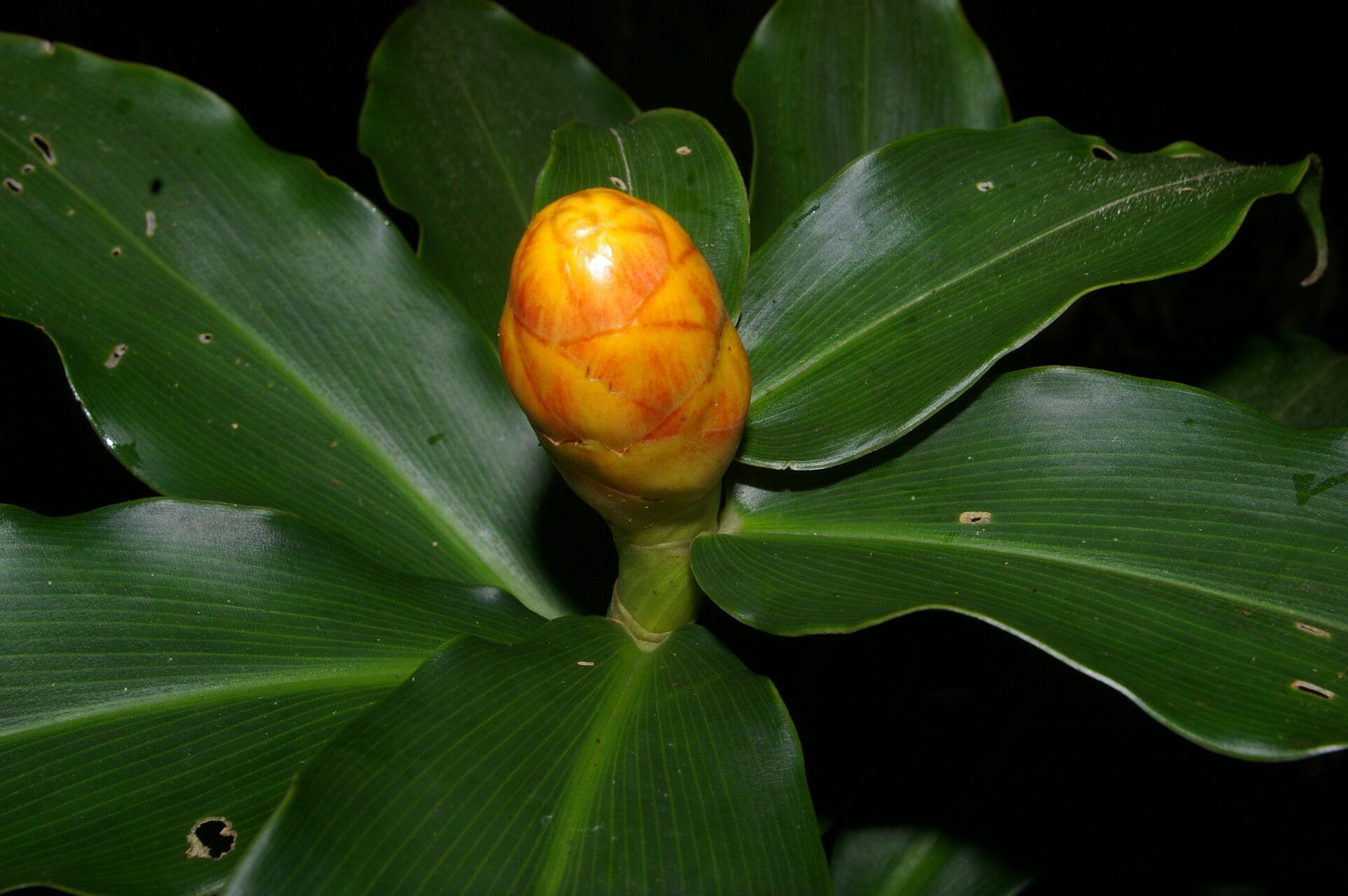
Propagating Costus wilsonii: Unveiling the Secrets of the Spiral Ginger
Introduction:
Costus wilsonii, commonly known as the spiral ginger or crimson spiral flag, is a captivating ornamental plant prized for its striking spiral inflorescences and vibrant foliage. Its unique architectural form, featuring spiraling stems and showy bracts, makes it a highly sought-after addition to tropical and subtropical gardens. While its beauty is undeniable, propagating Costus wilsonii can present some challenges, making successful cultivation particularly rewarding. This article explores various propagation methods, highlighting their successes and limitations.
Seed Germination:
Currently, there are no known reliable methods for seed germination propagation of Costus wilsonii. Although the plant produces seeds, germination rates are extremely low, and successful cultivation from seed is rarely reported. Further research into specific germination requirements may be necessary to unlock this potential propagation method. The lack of reliable seed germination limits the opportunity for large-scale propagation and genetic diversity gains through this method.
Cuttings:
Cuttings offer a more viable method for propagating Costus wilsonii. However, success depends on the proper techniques and environmental conditions.
Challenges: Cuttings can be susceptible to rot if not properly prepared and planted. The ideal time for taking cuttings is during the growing season.
Practical Tips: Take stem cuttings approximately 10-15cm long, ensuring each cutting includes several nodes. Remove the lower leaves to prevent rotting. Dip the cut ends in a rooting hormone powder before planting in a well-draining, moist potting mix. Maintain high humidity (using a propagator or plastic bag) and warmth (25-30°C).
- Rewards: This technique allows for relatively quick propagation of multiple plants from a single parent plant, preserving desirable traits.
Division:
Division is arguably the most reliable and commonly used method for propagating Costus wilsonii.
Challenges: Dividing the rhizomes requires careful handling to avoid damaging the delicate root system. Each division needs to have healthy rhizome sections with established shoots and roots for successful establishment.
Practical Tips: Divide the rhizome during the dormant period or early spring. Ensure each division has healthy roots and at least one growing point. Plant the divisions in well-draining, fertile soil, ensuring they are planted at the same depth as they were originally growing.
- Rewards: Division provides a high success rate, mirroring the parent plant’s characteristics. It’s a relatively simple method suitable for both amateur and experienced gardeners.
Tissue Culture:
Tissue culture offers the potential for large-scale propagation of Costus wilsonii, particularly for commercial purposes.
Challenges: This method requires specialized equipment, sterile conditions, and technical expertise. Establishing aseptic conditions and selecting appropriate nutrient media are crucial for success.
Practical Tips: Tissue culture techniques would involve establishing sterile cultures from apical or nodal segments of the plant. The proper nutrient media, light intensity, and temperature are vital for successful shoot multiplication and subsequent rooting.
- Rewards: Tissue culture provides the opportunity for rapid multiplication of genetically uniform plants, disease-free stock, and potentially preserving rare cultivars.
Conclusion:
Propagating Costus wilsonii presents unique challenges across different methods. While seed germination is currently unreliable, cuttings and division offer practical approaches for the home gardener. However, tissue culture holds greater potential for large-scale propagation and preserving this beautiful species. The satisfaction derived from successfully propagating this plant, whether through the patience of division or mastery of cuttings, ultimately lies in witnessing the unfolding of this architectural marvel from a small cutting or rhizome division into a lush, spiraling spectacle. Embrace the challenges, experiment with different methods, learn from setbacks, and enjoy the unique rewards of cultivating this fascinating plant. Don’t be discouraged by initial failures; persistence is key to unlocking the secrets of successful Costus wilsonii propagation.