
Propagating Cotoneaster alaunicus: A Gardener’s Guide
Introduction:
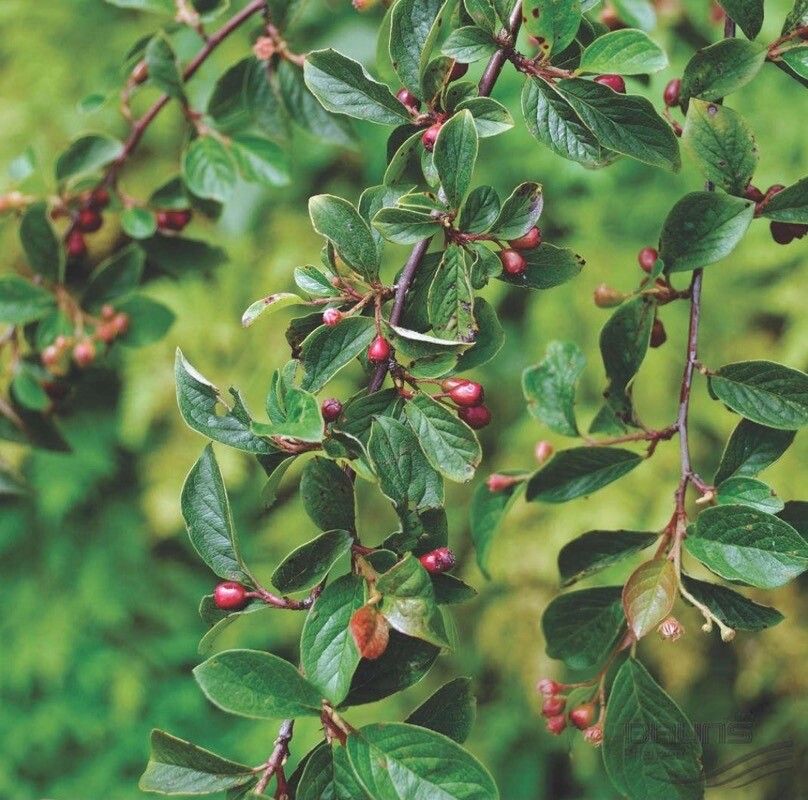
Cotoneaster alaunicus, also known as the Caucasian Cotoneaster, is a charming, deciduous shrub prized for its dense, arching branches adorned with small, dark green leaves that turn a fiery red in autumn. Its clusters of small white flowers in spring are followed by attractive red berries, providing year-round interest in the garden. This relatively low-maintenance shrub is popular among gardeners for its adaptability and tolerance to various soil conditions, making it a versatile addition to landscapes. Its propagation, however, presents some unique challenges and rewards, making the process all the more satisfying for the successful cultivator.
Seed Germination:
Currently, there are no known reliable methods for seed germination propagation of Cotoneaster alaunicus. While seeds may be produced, germination rates are extremely low and unpredictable, making seed propagation impractical for most gardeners. Significant research would be needed to establish viable germination techniques.
Cuttings:
Cuttings represent a more reliable method for propagating Cotoneaster alaunicus.
Challenges: Rooting success can be variable, depending on factors such as the timing of the cuttings, the type of cutting (softwood or hardwood), and the rooting medium used.
Practical Tips: Softwood cuttings taken in late spring or early summer, from semi-hardened new growth, generally exhibit the best rooting rates. These cuttings should be approximately 4-6 inches long, with the lower leaves removed to prevent rot. A rooting hormone can significantly improve success. Plant the cuttings in a well-draining mix of perlite and peat moss, maintaining consistently moist but not waterlogged conditions. A humidity dome or propagator can enhance rooting success.
Rewards: Cuttings offer a relatively quick and straightforward method of producing genetically identical clones of the parent plant, preserving desirable traits. This is particularly useful for propagating specific cultivars with unique characteristics.
Division:
Division is a viable method, particularly for established, multi-stemmed plants.
Challenges: Careful execution is required to avoid damaging the roots, which can hinder the subsequent growth of the divided portions. Larger, more mature plants are ideal candidates for this method.
Practical Tips: Divide the plant in early spring or autumn, when the plant is dormant. Use sharp, clean tools to minimize damage to the root system. Ensure each division has a healthy portion of roots and stems. Replant the divisions immediately, ensuring adequate watering and protection from harsh weather conditions.
Rewards: Division provides a quick way to increase numbers of a plant already established in a garden, especially if a specific clone is desirable.
Tissue Culture:
Tissue culture offers a potential method for large-scale propagation of Cotoneaster alaunicus.
Challenges: Specialized equipment and aseptic techniques are required, making this method less accessible to home gardeners. This is a more involved and costly method requiring specialized knowledge and lab facilities.
Practical Tips: Sterile conditions are crucial. Small tissue samples (explants) are cultured on nutrient media in a climate-controlled environment. The process requires expertise in plant tissue culture techniques.
Rewards: Tissue culture offers a high propagation rate and the production of disease-free plants. This is especially advantageous for preserving rare or endangered cultivars.
Conclusion:
Propagating Cotoneaster alaunicus presents both challenges and rewards. While seed propagation remains unreliable, cuttings and division offer feasible options for most gardeners, with tissue culture reserved for larger-scale operations or specific needs. The variable success rates associated with these methods underscore the importance of patience and careful attention to detail. However, the unique satisfaction derived from successfully propagating this beautiful shrub, from a small cutting or division to a thriving plant, far outweighs the difficulties involved. Don’t be discouraged by initial setbacks; experiment with different approaches, learn from your experiences, and enjoy the journey of cultivating this versatile and attractive plant.