
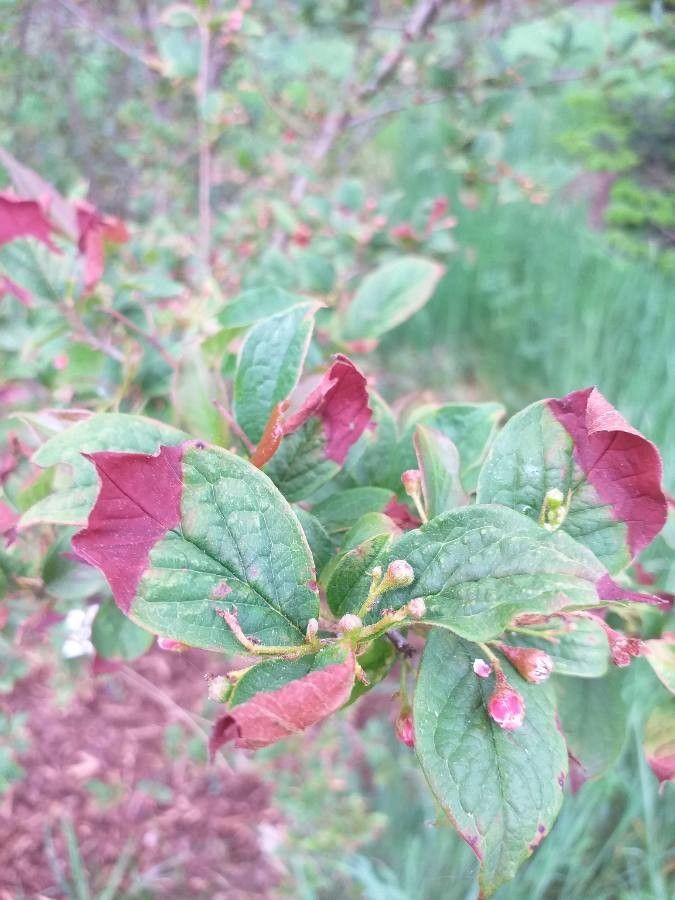
Propagating Cotoneaster ambiguus: A Gardener’s Guide
Introduction:
Cotoneaster ambiguus, also known as the intermediate cotoneaster, is a deciduous shrub prized for its attractive foliage, abundant white flowers, and vibrant red berries in autumn. Its adaptability to various soil types and its tolerance to moderate shade make it a popular choice among gardeners for hedges, ground cover, and landscape beautification. While readily available commercially, propagating Cotoneaster ambiguus can be a rewarding experience, offering a deeper connection to the plant and potentially creating genetically diverse specimens. However, some methods prove more reliable than others.
Seed Germination:
Currently, there are no known reliable methods for seed germination propagation of Cotoneaster ambiguus. While seeds may be produced, germination rates are notoriously low and inconsistent, even with pre-treatment techniques like stratification. The lengthy germination period and the high likelihood of seedling failure make seed propagation an impractical method for most gardeners.
Cuttings:
Cuttings offer a more reliable method for propagating Cotoneaster ambiguus.
Challenges: Achieving successful rooting can be challenging, requiring specific conditions and attention to detail.
Practical Tips: Semi-hardwood cuttings taken in late summer or early autumn offer the best success rate. Cuttings should be 4-6 inches long, taken from non-flowering stems. The lower leaves should be removed, and a rooting hormone applied before planting in a well-draining propagating mix (e.g., a blend of peat moss, perlite, and vermiculite). Maintain high humidity (e.g., using a humidity dome or placing cuttings in a propagator) and consistent moisture. Bottom heat can also improve rooting success.
Rewards: This method allows for the rapid propagation of a known, desirable cultivar, maintaining its specific characteristics. This is particularly beneficial for gardeners who want to expand their existing plants or share specific forms with others.
Division:
Division is a viable option for propagating Cotoneaster ambiguus, particularly for established, larger plants.
Challenges: This method is only suitable for mature plants, and it can be disruptive to the parent plant if not done carefully.
Practical Tips: Division is best undertaken in early spring or autumn. Carefully dig up the parent plant and gently separate it into smaller divisions, each with its own root system and several stems. Plant the divisions immediately in well-prepared soil, ensuring each division gets adequate space to grow.
Rewards: Division produces instant, established plants that will begin flowering and fruiting sooner than plants propagated from cuttings. This method is relatively quick and simple for smaller shrubs.
Tissue Culture:
Tissue culture offers a highly efficient method for large-scale propagation of Cotoneaster ambiguus.
Challenges: Tissue culture requires specialized equipment, aseptic techniques, and knowledge of plant tissue culture protocols. It’s not a practical method for home gardeners.
Practical Tips: This method necessitates a controlled laboratory environment. Sterile explants (small pieces of plant tissue) are grown in nutrient-rich agar media. This technique allows for the rapid multiplication of genetically identical plants.
Rewards: Tissue culture allows for mass production of plants, producing disease-free clones, which is extremely valuable for commercial nurseries.
Conclusion:
Propagating Cotoneaster ambiguus presents varying challenges depending upon the method employed. Seed propagation proves impractical due to low germination rates, while tissue culture requires specialized expertise and equipment. Cuttings and division represent more feasible options for most gardeners, although patience and attention to detail are crucial for success with cuttings. The rewards—whether expanding one’s own landscape, sharing plants with friends, or creating a genetically diverse collection—can be significant, offering a sense of accomplishment that goes beyond simply buying a plant at a nursery. The unique satisfaction in successfully cultivating this beautiful shrub from a cutting or division ultimately underscores the deeper connection gardeners develop with their plants when they actively participate in their propagation. Don’t be discouraged by initial setbacks; persistent effort often leads to success in the wonderful world of plant propagation.