
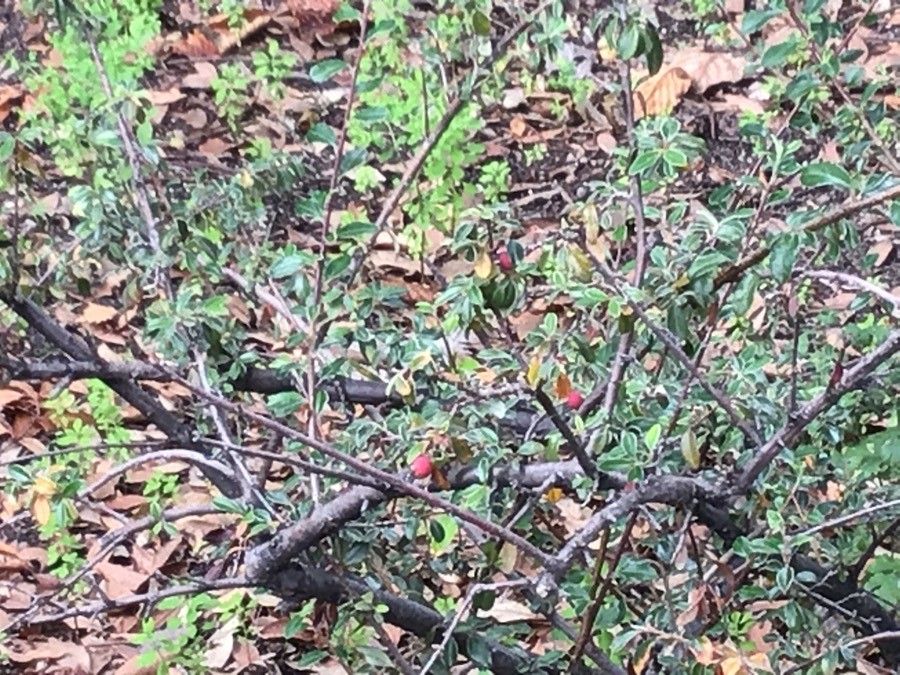
Multiplying Your Cotoneaster: A Simple Guide to Propagating Buxifolius
Cotoneaster buxifolius, with its charming evergreen foliage and vibrant red berries, can be a wonderful addition to many gardens. If you’re looking to expand your Cotoneaster collection or share its beauty with others, propagation is a rewarding and surprisingly simple endeavor. Let’s explore the two most effective methods for multiplying your Cotoneaster buxifolius:
1. Taking Semi-Hardwood Cuttings:
This method, utilizing the plant’s stems to grow new ones, offers great success rates and is relatively easy even for novice gardeners.
Timing is Key: The optimal time to take semi-hardwood cuttings is from late summer to early fall. During this period, the plant’s growth is beginning to harden off, but the stems haven’t become completely woody.
Here’s how:
- Gather Your Tools: You’ll need clean, sharp pruning shears or a knife, a small pot or seed tray, and a well-draining rooting hormone (optional but recommended).
- Select Healthy Stems: Choose healthy, non-flowering stems from the current year’s growth. Look for stems that are firm and snap cleanly when bent.
- Make the Cut: Cut a 4-6 inch section from the tip of the stem, making the cut just below a leaf node (the point where a leaf emerges).
- Prepare the Cutting: Remove the lower leaves from the cutting, leaving 2-3 leaves at the top. If the remaining leaves are large, you can cut them in half horizontally to reduce moisture loss. Dip the base of the cutting in rooting hormone, tapping off any excess.
- Plant the Cutting: Fill your pot with a well-draining seed-starting mix or a 50/50 mix of peat moss and perlite. Create a hole with your finger or a pencil and gently insert the cutting.
- Water and Cover: Water the cutting thoroughly and cover the pot with a clear plastic bag or humidity dome to create a warm, humid environment.
- Provide Care and Patience: Place the cutting in a bright location out of direct sunlight. Keep the soil consistently moist but not waterlogged. Roots will generally develop within 6-8 weeks. Once the cutting shows new growth, you can gradually acclimate it to outdoor conditions before transplanting.
2. Propagating from Seed:
While slightly less predictable than cuttings, propagating from seed allows you to witness the fascinating journey from seed to sapling.
Harvesting the Bounty: Collect ripe berries from your Cotoneaster in the fall. Each berry typically contains 2-3 seeds.
Here’s the Process:
- Extract and Clean: Gently crush the berries to release the seeds. Rinse the seeds thoroughly in a sieve to remove any pulp.
- Cold Stratification: Cotoneaster seeds require a period of cold stratification to mimic natural winter conditions. Place the seeds in a damp paper towel inside a sealed plastic bag and store them in the refrigerator for 8-12 weeks.
- Sowing Time: In late winter or early spring, fill a seed tray with seed-starting mix and sow the seeds about 1/2 inch deep.
- Patience is a Virtue: Keep the soil moist and place the tray in a bright location, out of direct sunlight. Germination can take several weeks or even months.
- Transplanting Time: When the seedlings are a few inches tall and have developed several sets of true leaves, you can transplant them into individual pots or into your garden.
No matter which method you choose, propagating your Cotoneaster buxifolius is a fulfilling experience for gardeners of all skill levels. With a little patience and care, you can enjoy these beautiful shrubs for years to come!