
From One Cotoneaster Coriaceus to Many: Mastering the Art of Propagation
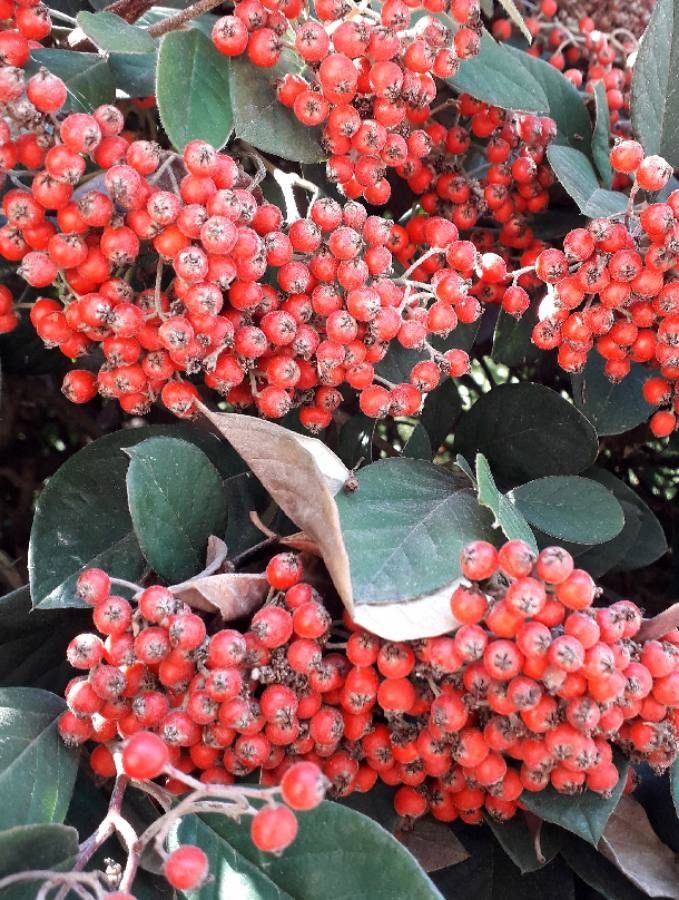
The cotoneaster coriaceus, with its glossy evergreen foliage and clusters of bright red berries, is a stunning addition to any garden. But what if you wanted to share this beauty with others, or simply expand your own collection? That’s where propagation comes in.
This versatile shrub can be propagated in a few different ways, making it accessible to gardeners of all skill levels. Let’s delve into the world of cotoneaster coriaceus propagation and uncover the secrets to growing your own.
1. Taking Cuttings:
- Timing is Key: The best time to take cuttings is in the spring or early summer, when the plant is actively growing.
- The Technique: Choose healthy, non-flowering stems and snip about 4-6 inches using a sharp pair of shears. Remove the leaves from the bottom inch of the cutting and make a clean cut at the base just below a node (where leaves grow).
- Rooting Hormone: Dip the cut ends in rooting hormone powder to encourage root development.
- Planting: Gently insert the cuttings into a well-draining potting mix, leaving the top leaves exposed. Keep the cuttings moist and in a shaded location.
- Patience is Virtue: Rooting may take several weeks to a few months. Monitor the cuttings regularly for signs of growth, and keep the soil consistently moist.
2. Layering:
- Ideal for Bushier Growth: Layering is a simple and effective method that produces established plants with robust roots.
- The Process: Choose a healthy branch near the ground. Bend the branch, burying a portion of it under the soil. Secure the branch in place with a wire or rock.
- Be Patient: The buried portion of the branch will form roots over time. Once roots have developed (usually within a few months), you can separate the rooted branch from the parent plant.
3. Seed Propagation:
- A Time-Consuming Option: While possible, seed propagation is a more time-consuming process.
- Collecting Seeds: Harvest ripe berries from your cotoneaster in autumn. Remove the seeds from the fruit and rinse them thoroughly.
- Stratification: Seeds need a cold period (stratification) to germinate. Place the seeds in a moist potting mix and store them in a refrigerator for several months.
- Sowing: After the cold treatment, sow the seeds in pots or seed trays filled with a good potting mix. Keep the soil moist and in a bright, indirect location.
Important Considerations:
- Disease and Pests: Cotoneaster coriaceus is generally pest-resistant, but watch out for aphids, mealybugs, and scale insects. Regularly inspect your plants for signs of infestation.
- Water Management: Cotoneaster coriaceus thrives in well-draining soil and prefers moist conditions. However, be careful not to overwater, as excess moisture can lead to root rot.
- Sunlight: Choose a sunny or partially shaded location for your cotoneaster coriaceus. It needs at least 4-6 hours of sunlight daily for optimal growth.
Conclusion:
Propagating your cotoneaster coriaceus is a rewarding experience that allows you to cultivate and share this stunning evergreen shrub. From the straightforward method of taking cuttings to the challenge of seed propagation, choose the approach that suits your skill level and patience. With a little care and attention, you’ll soon be enjoying the beauty of your own, home-grown cotoneaster coriaceus plants!