
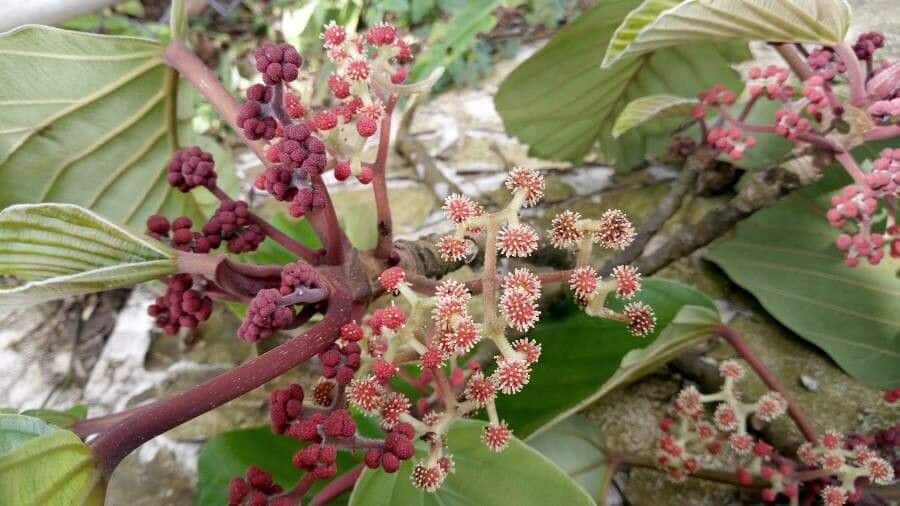
Unveiling the Secrets: How to Propagate the Majestic Coussapoa Nymphaeifolia
The Coussapoa nymphaeifolia, with its captivating foliage reminiscent of rippling water, is a true spectacle in the plant world. Native to the tropical rainforests of South America, this climbing evergreen, also known as the “Riverbank Fig” or “Duck’s Foot Fig,” is becoming increasingly popular among houseplant enthusiasts. While caring for an established Coussapoa nymphaeifolia can be fairly straightforward, successfully propagating it requires a bit more finesse. Fear not, fellow plant lovers, for we’re going to unveil the secrets to multiplying your Coussapoa and sharing its beauty!
Methods of Propagation:
While it’s possible to grow Coussapoa nymphaeifolia from seeds, germination is often unreliable and slow. Therefore, the two most effective propagation methods are:
1. Stem Cuttings: This method boasts the highest success rate and involves taking cuttings from a healthy, mature plant.
- Timing is Key: Spring and early summer, when the plant is actively growing, offer the ideal conditions for successful rooting.
- Selecting the Cuttings: Look for healthy stems with at least two nodes (the small bumps where leaves emerge). Cuttings should ideally be 4-6 inches long.
- Prepare the Cuttings: Remove the leaves from the bottom node of each cutting to prevent rotting. Optionally, dip the cut end in rooting hormone powder to encourage root development.
- Planting and Care: Insert the cuttings into a well-draining potting mix, ensuring the bottom node is submerged. Maintain a humid environment by placing the pot in a propagator or covering it with a plastic bag. Place in a warm spot with bright, indirect light and keep the soil consistently moist but not soggy.
- Rooting Time: With proper care, cuttings should root within 4-8 weeks.
2. Air Layering: This method involves encouraging roots to develop on a stem while it’s still attached to the parent plant.
- Choosing a Branch: Select a healthy, mature branch about the thickness of a pencil.
- Making the Wound: Carefully make a 1-inch upward cut about 12-18 inches from the tip of the chosen branch. Insert a toothpick or small piece of plastic to prevent the wound from closing.
- Applying Rooting Hormone (Optional): You can apply rooting hormone powder to the wounded area to stimulate root growth.
- Creating the Moisture Pocket: Surround the wounded area with a handful of moist sphagnum moss and wrap it tightly with plastic wrap, securing both ends with tape or plant ties.
- Patience is Key: Roots can take several months to develop. Regularly check the moss to ensure it remains moist.
- Separation and Potting: Once a healthy network of roots is visible through the plastic wrap, carefully cut the branch below the air layering and pot it in a well-draining potting mix.
Important Considerations:
- Patience is Paramount: Propagation, especially through air layering, is a waiting game. Don’t be discouraged if it takes time for roots to develop.
- Optimal Conditions: Warm temperatures (70-80°F), high humidity, and bright, indirect light are crucial for successful propagation.
- Observe Closely: Regularly check for signs of root development or any signs of disease or pests.
By carefully following these steps and remaining patient, you can successfully propagate your Coussapoa nymphaeifolia and enjoy the satisfaction of sharing this unique and magnificent plant with others. Happy propagating!