
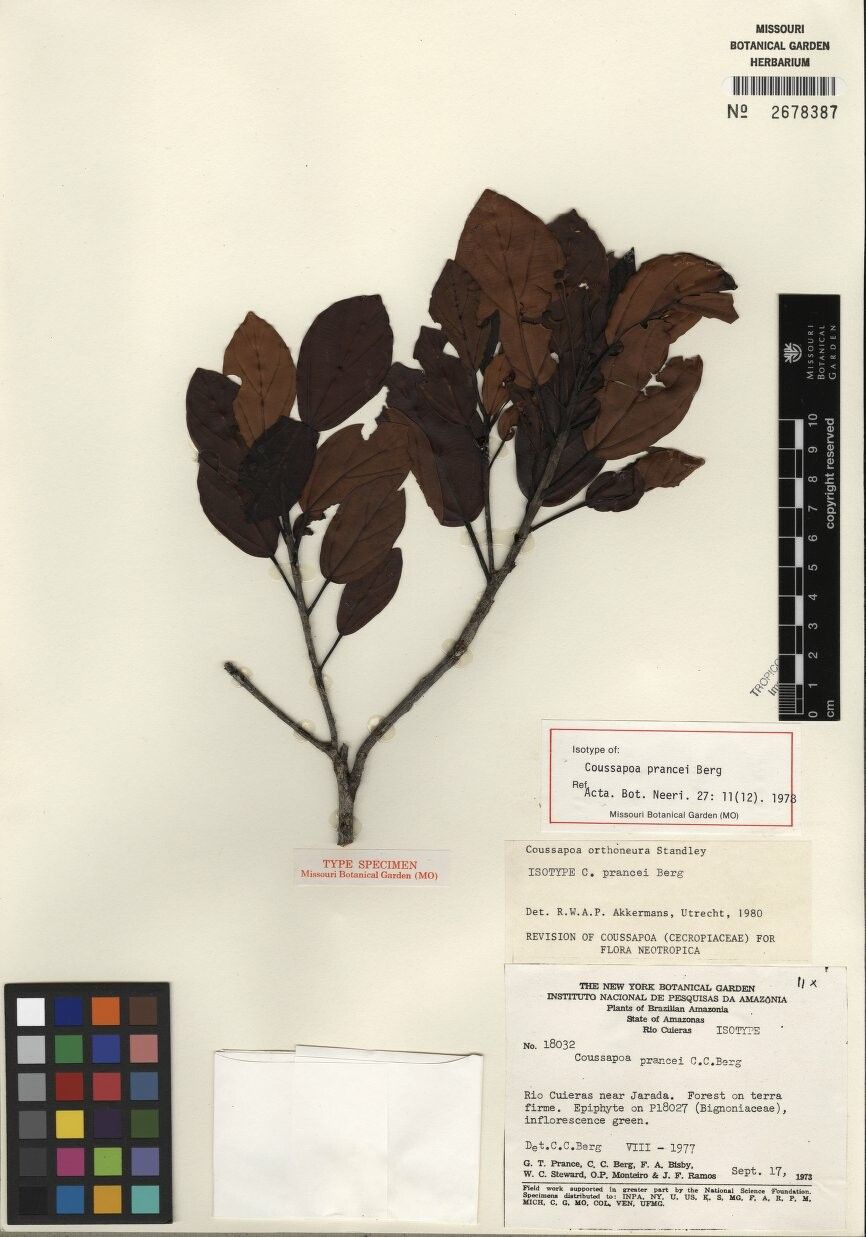
The Secrets to Propagating Coussapoa Orthoneura: A Journey to Cultivating This Stunning Plant
Coussapoa orthoneura, with its striking, elongated leaves and mesmerizing textured bark, has captivated plant enthusiasts worldwide. But sourcing this beauty can be tricky. Thankfully, the secret to expanding your collection of this stunning plant lies in the art of propagation.
While it’s not always an easy feat, mastering the techniques opens up a world of possibilities for growing your own Coussapoa orthoneura. Let’s dive into the process, exploring the most effective methods for ensuring successful propagation.
1. Cuttings: A Common and Reliable Method
- Timing is Everything: The ideal time for taking cuttings is during the spring or summer months when the plant is actively growing. This ensures the strongest, healthiest growth for the new plants.
- Preparation is Key: Choose a mature stem that is approximately 4-6 inches long and has at least two nodes (the bumps where leaves emerge). Make a clean, sharp cut just below a node using a sterilized blade to minimize the risk of fungal infection.
- Rooted in Success: Remove the leaves from the lower portion of the cutting and dip the end in rooting hormone powder. Place it in a pot filled with a well-draining potting mix, ensuring the node is buried beneath the soil.
- The Waiting Game: Keep the cuttings in a humid, well-lit environment, away from direct sunlight. Encourage root growth by maintaining consistent moisture levels and humidity. Some gardeners use a humidity dome or clear plastic bag over the pot to create a greenhouse effect. Patience is key – rooting can take several weeks or even months.
2. Air Layering: A Gentle Approach for Sturdy Roots
- The Art of Inducing Roots: Air layering involves encouraging roots to develop directly on a stem while it’s still attached to the parent plant. This method ensures the new plant starts with a strong root system.
- Making the Cut: Choose a healthy stem that is about 1/4 inch thick. Scrape away a small section of bark, about 1 inch long, just above a node. Apply a rooting hormone to the exposed area.
- Wrapped in Moisture: Wrap the area with moist sphagnum moss and secure it with plastic film or aluminum foil. The moisture within the moss provides the perfect environment for roots to emerge.
- Patience Pays Off: It can take several months for roots to develop. When you see roots growing through the moss, carefully cut the stem below the roots and remove it from the parent plant. The new plant can be potted as usual.
3. Seeds: A Less Conventional Path
- From Seed to Sapling: While less common, Coussapoa orthoneura can be propagated from seeds. These must be fresh for optimal germination rates.
- Careful Sowing: Sow seeds in a seed tray filled with a peat-based seed-starting mix. Keep the soil consistently moist and provide warmth – a warm, sunny windowsill or a propagator can work well.
- Patience is Paramount: Germination rates can be slow, sometimes taking weeks or even months. Once the seedlings are large enough to handle, they can be transplanted into individual pots.
Conclusion:
Propagating Coussapoa orthoneura is a rewarding journey that allows you to enjoy this magnificent plant while also expanding your collection. Whether you choose cuttings, air layering, or seeds, patience and careful attention to detail will lead you to success. Remember to provide the right environment for your new plant to flourish and enjoy the satisfaction of successfully propagating this rare and beautiful species.