
Propagating Crambe fruticosa: The Challenges and Rewards of Cultivating Sea Kale
Introduction
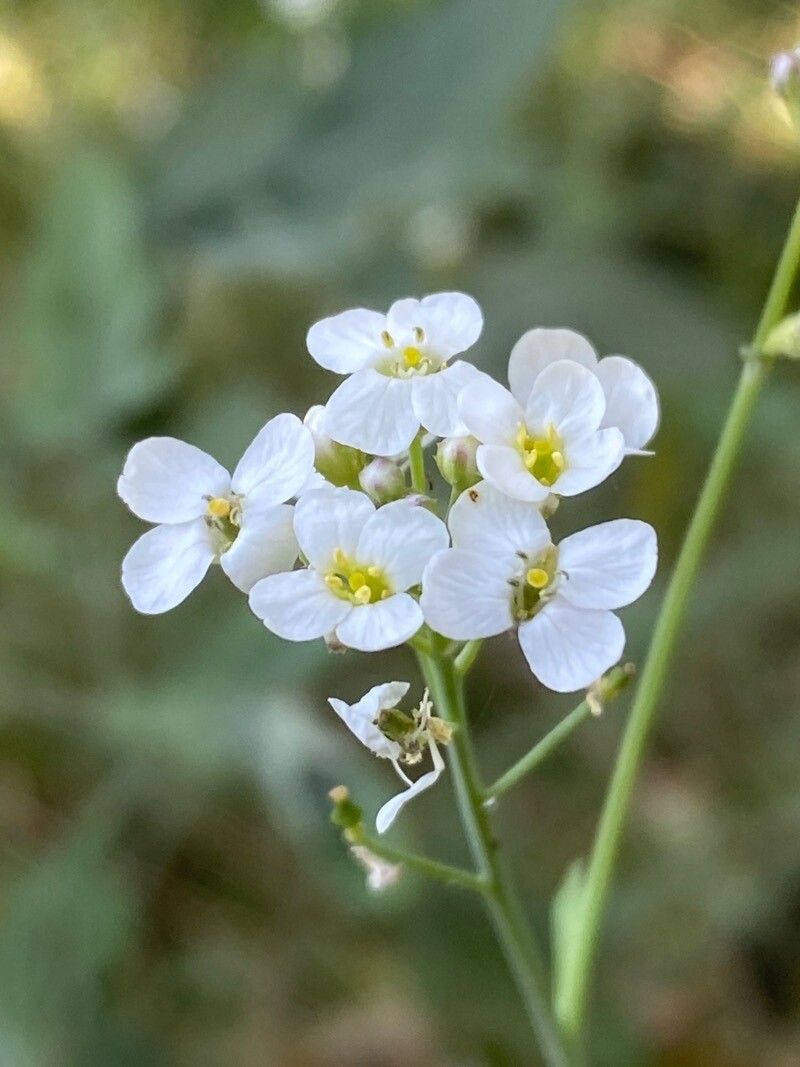
Crambe fruticosa, commonly known as sea kale, is a striking evergreen shrub prized for its architectural form, silvery-grey foliage, and attractive, though inconspicuous, flowers. Its drought tolerance and resilience make it a popular choice for coastal gardens and xeriscaping projects. However, its propagation isn’t straightforward, presenting both unique challenges and significant rewards for the dedicated gardener. The relatively slow growth rate further emphasizes the importance of successful propagation. Unlike many readily propagated plants, sea kale demands a more thoughtful approach to increase its numbers.
Seed Germination
Currently, there are no known reliable methods for seed germination propagation of Crambe fruticosa. While the plant produces seeds, their germination rate is extremely low, and successful germination at home has not been consistently reported in the literature. Further research into specific germination requirements, such as stratification techniques and precise environmental conditions, would be needed to determine if viable seed propagation is possible.
Cuttings
Cuttings offer a more promising pathway to propagating Crambe fruticosa. Semi-hardwood cuttings taken in late summer or early autumn have shown some success.
Challenges: Rooting can be slow and inconsistent, requiring a high level of humidity and careful attention to prevent fungal diseases. The cuttings need to be taken from healthy, actively growing stems.
Practical Tips: Use a well-draining propagation mix, a mist propagation system to maintain high humidity, and a rooting hormone to encourage root development. Take cuttings approximately 4-6 inches long, removing lower leaves to prevent rotting. Place cuttings in a warm, bright location out of direct sunlight.
Rewards: Cuttings provide a relatively quick method of producing genetically identical plants to the parent plant, preserving desirable traits. This is particularly useful for maintaining cultivar characteristics or propagating rare or particularly attractive specimens.
Division
Division of established Crambe fruticosa plants is feasible, but has its limitations.
Challenges: Sea kale has a relatively slow growth rate and a taproot system, making it difficult to divide without damaging the plant significantly. Only mature, well-established plants are suitable candidates for division.
Practical Tips: Division is best carried out in early spring or autumn. Ensure each division has a substantial root system to aid establishment. Handle the roots carefully to minimize damage. Plant divisions immediately after division in a well-prepared, well-draining soil.
Rewards: This method is less labor-intensive and resource-consuming than cuttings and is more accurate in creating exact copies of the parent plant.
Tissue Culture
Tissue culture represents a potentially reliable method for large-scale propagation of Crambe fruticosa.
Challenges: This technique requires specialized equipment, sterile conditions, and expertise. It may be expensive and impractical for the home gardener. Optimizing the culture medium to support shoot and root development would also require research and experimentation.
Practical Tips: This is best left to nurseries or research facilities with the appropriate resources and expertise.
Rewards: Tissue culture offers the potential for generating large numbers of genetically identical plants rapidly, suitable for commercial production or conservation purposes.
Conclusion
Propagating Crambe fruticosa presents several significant challenges across all methods, ranging from low seed germination to the slow rooting of cuttings and the difficulty of division. However, the rewards—creating more of this beautiful and tough shrub—are worth the effort. While seed propagation currently proves unreliable, cuttings offer a manageable approach for gardeners, while division is limited to established plants. Tissue culture represents a sophisticated solution for larger-scale multiplication. The unique satisfaction of successfully propagating Crambe fruticosa lies not just in the addition of beautiful plants to your garden, but in overcoming the obstacles involved, demonstrating patience and skill in nurturing these rewarding, yet somewhat challenging plants. Don’t be discouraged by initial setbacks – persistence and a keen eye for detail will eventually lead to success.