
Propagating Crassula ammophila: A Gardener’s Guide to a Rare Succulent
Introduction:
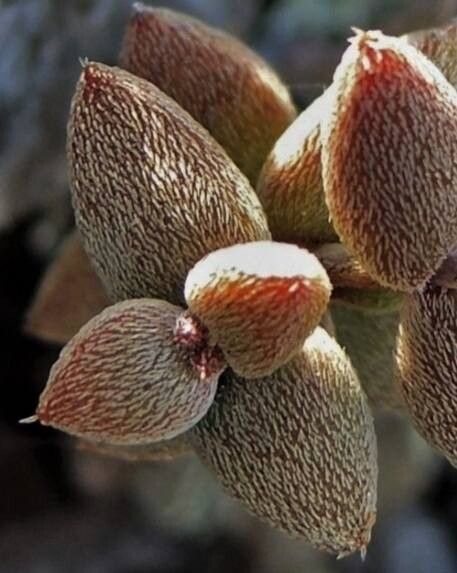
Crassula ammophila, also known as the sand-dwelling Crassula, is a captivating succulent prized for its unique aesthetic appeal. Its small, plump, greyish-green leaves cluster tightly along thick, sprawling stems, creating a miniature, almost bonsai-like effect. Its adaptability to harsh conditions and resilience make it a fascinating addition to rock gardens or succulent collections. However, its relative rarity compared to other Crassula species makes propagation a key interest for enthusiasts. This article will explore the various methods of propagating this intriguing plant, highlighting both challenges and rewards.
Seed Germination:
Currently, there are no known reliable methods for seed germination propagation of Crassula ammophila. While the plant does produce seeds, their germination rate appears to be exceptionally low, likely due to factors such as specific environmental needs or seed dormancy mechanisms not yet understood. Further research is needed to determine if controlled germination is feasible under specific laboratory conditions.
Cuttings:
Challenges: Cuttings represent the most accessible and commonly successful method for propagating Crassula ammophila. However, it requires patience and attention to detail. The relatively slow growth rate necessitates careful handling to prevent rot and ensure successful rooting.
Tips: Take stem cuttings of about 5-7cm in length, allowing the cut ends to callous for a few days before planting. Use a well-draining succulent potting mix. Plant the cuttings shallowly, ensuring that at least one node is buried. Avoid overwatering; allow the soil to dry completely between waterings. High humidity and bright, indirect light will encourage rooting, though direct sun should be avoided. Rooting hormones can improve success rates.
Rewards: Cuttings offer a relatively straightforward method to quickly increase the number of plants, retaining the genetic characteristics of the mother plant.
Division:
Challenges: Crassula ammophila doesn’t naturally form dense clumps or offsets readily, limiting the effectiveness of division propagation. Mature, well-established plants may occasionally produce small offshoots that can be carefully separated, but this is not a consistent or reliable method.
Tips: If offsets are present, carefully separate them using a clean, sharp knife or shears, ensuring each division has healthy roots and leaves. Allow the severed areas to callous before planting in separate pots using well-draining succulent soil.
Rewards: Division, when successful, provides a clone of the parent plant, offering a faster method of propagation than cuttings for plants that produce suitable offshoots.
Tissue Culture:
Challenges: Tissue culture propagation, while potentially highly effective for large-scale propagation and genetic uniformity, is technically demanding and requires specialized equipment and expertise. Sterile conditions are critical, along with specific nutrient media formulations that would need to be developed specifically for Crassula ammophila.
Tips: This method requires a controlled laboratory setting with sterilized equipment, growth media, and careful attention to humidity, temperature, and lighting. Success relies heavily on the skill and knowledge of the tissue culture technician.
Rewards: Tissue culture offers the possibility of mass propagation, ensuring genetic consistency and the potential for disease-free plants. It is also a viable option for preserving rare or endangered varieties.
Conclusion:
Propagating Crassula ammophila presents unique challenges across all methods. While cuttings offer the most accessible and reliable approach, success requires patience and attention to detail. Division remains limited by the plant’s growth habit, and seed germination and tissue culture require advanced techniques. However, the distinctive beauty and resilience of Crassula ammophila make the effort worthwhile. The satisfaction of nurturing a small cutting into a thriving plant, overcoming the difficulties involved, is a reward in itself, highlighting the unique connection between the gardener and this remarkable desert dweller. Aspiring propagators should start with cuttings, focusing on proper soil, watering, and lighting for the best chance of success. Remember patience is key, and the rewards of successfully cultivating Crassula ammophila are well worth the effort.