
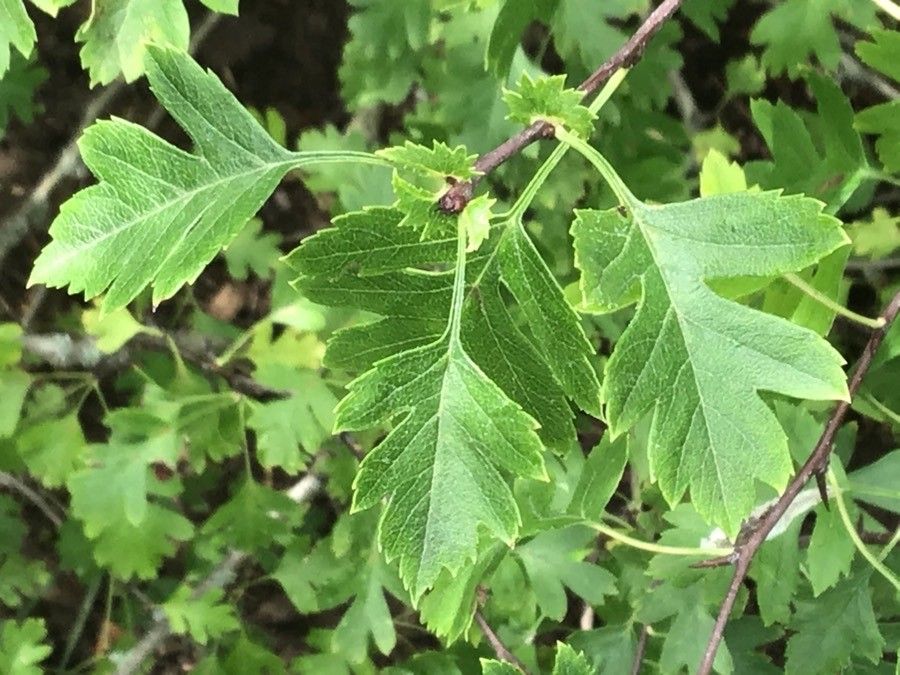
Unlocking the Secrets of the Dark-Fruited Hawthorn: A Propagation Guide
The Dark-fruited Hawthorn, scientifically known as Crataegus atrorubens, is a captivating sight. This North American native boasts delicate white blossoms in the spring, lush green foliage throughout the summer, and in the fall, a breathtaking display of deep red berries that linger well into winter. If you’re enamored by this hardy beauty and wish to invite more of its charm into your garden, then understanding its propagation is key.
Propagating Crataegus atrorubens, while not for the faint of heart, is a rewarding endeavor for patient gardeners. There are two primary methods:
1. Seed Propagation: A Test of Patience
- The Challenge: Hawthorn seeds have a tough outer shell and internal dormancy, meaning they need a little “persuasion” to germinate.
- The Process:
- Harvest: Collect ripe berries in the fall and extract the seeds.
- Cleaning: Clean the seeds thoroughly and soak in water for 24 hours.
- Stratification: This crucial step mimics winter conditions to break dormancy. Mix the seeds with moist sand or peat moss, seal them in a plastic bag, and refrigerate for 90-120 days.
- Sowing: In spring, sow the stratified seeds in a well-draining seed starting mix, barely covering them.
- Patience is Key: Germination can take several months, so don’t despair! Keep the soil consistently moist but not waterlogged.
- Pros: Allows for genetic diversity.
- Cons: Time-consuming, requires patience, and not all seeds will germinate.
2. Cuttings: A Quicker Path to Success
- The Process:
- Timing is Key: Take softwood cuttings in late spring or semi-hardwood cuttings in mid-summer.
- Preparation: Select healthy, non-flowering stems about 4-6 inches long. Remove the lower leaves and wound the base of the cutting slightly to encourage root development.
- Rooting Hormone: Dip the wounded end in rooting hormone to boost success rates.
- Planting: Plant the cuttings in a well-draining potting mix and place them in a humid environment, like a covered tray or under a humidity dome.
- Care: Keep the soil consistently moist and provide indirect sunlight. Roots should develop within 6-8 weeks.
- Pros: Faster than seed propagation, preserves the parent plant’s characteristics.
- Cons: Requires more specific timing and care compared to other plant varieties.
Nurturing Your Hawthorn Saplings
Once your Crataegus atrorubens seedlings or rooted cuttings show signs of growth, gradually acclimate them to outdoor conditions before transplanting them to their permanent location. Choose a sunny or partially shaded spot with well-drained soil. Remember, Hawthorns are relatively slow-growing and can take several years to reach their full glory.
Propagating your own Dark-fruited Hawthorn may require some effort, but imagine the satisfaction of nurturing these captivating trees from seed or cutting to stunning maturity. Your perseverance will be rewarded with a beautiful and resilient addition to your landscape for years to come.