
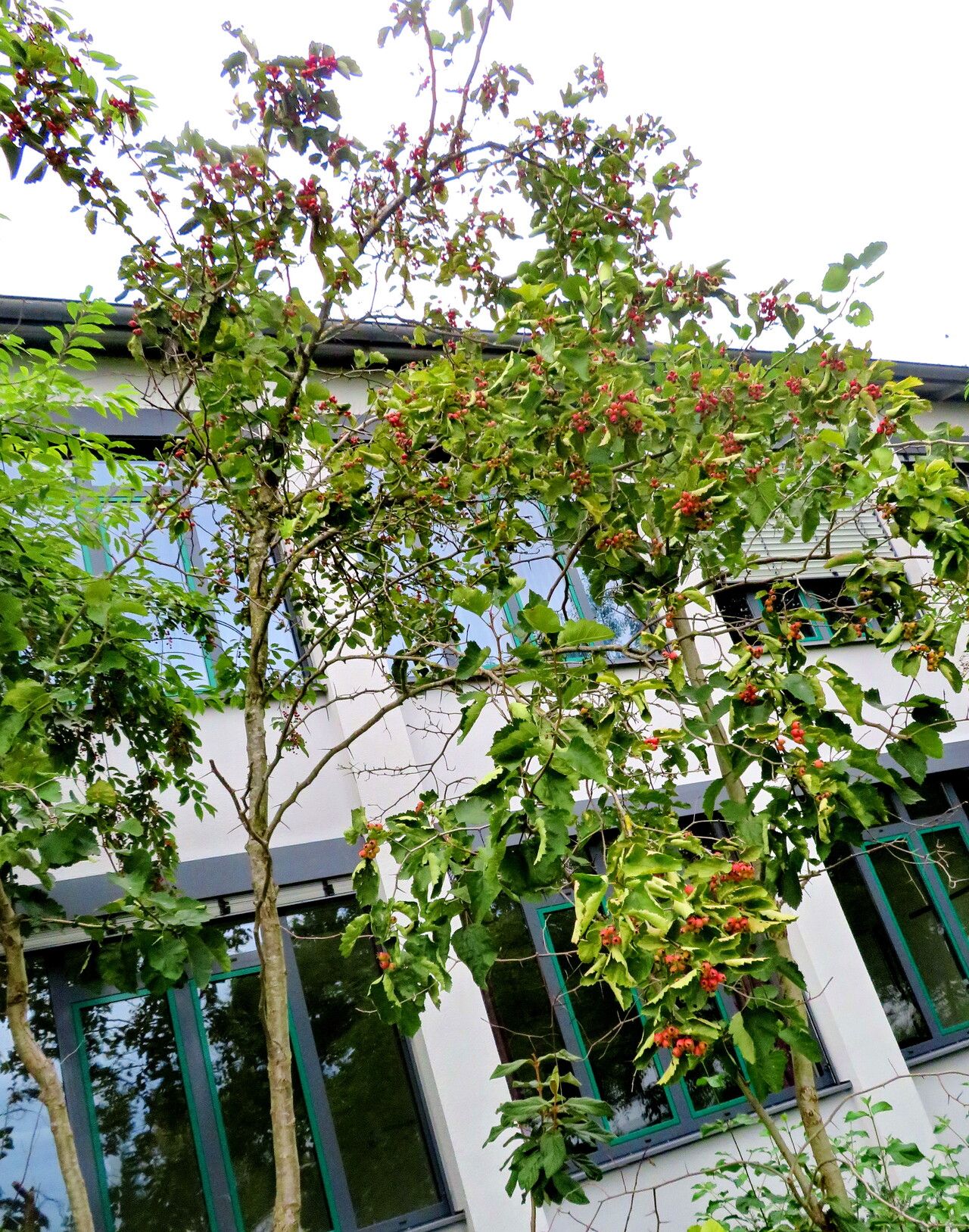
From Seed to Sprout: How to Propagate the Magnificent Hawthorn (Crataegus holmesiana)
Hawthorns, with their stunning spring blossoms and vibrant fall foliage, have long captured the hearts of gardeners. But did you know you can easily propagate these magnificent trees yourself? Today, we’ll be exploring the world of Crataegus holmesiana propagation, focusing on techniques you can master in your very own backyard.
Why Propagate?
Propagating your own hawthorn offers several advantages:
- Genetic Continuity: You can ensure the offspring retain the unique characteristics of your parent tree – be it a prized cultivar or a special heirloom.
- Cost Savings: Buying a mature tree from a nursery can be expensive. Starting from seed or cuttings can save you a significant amount.
- Sense of Accomplishment: There’s something incredibly rewarding about nurturing a tree from its very beginning and watching it grow.
The Power of Seeds:
The most common and straightforward propagation method is through seeds. Here’s how you can get started:
- Collect the Seeds: Gather ripe hawthorn berries in the fall after they’ve softened and turned a deep red to purple.
- Preparation: Remove the flesh from the seeds and rinse them thoroughly. To enhance germination, you can stratify them – a process that mimics the natural cold period experienced in winter. This can be achieved by storing the seeds in a moist medium (like peat moss) in a refrigerator for 6-8 weeks.
- Sowing: Fill a seed tray or pot with a well-draining seed starting mix. Sow the seeds about ¼ inch deep, spacing them about 2-3 inches apart.
- Germination: Keep the soil consistently moist and provide a warm environment. Depending on the variety and conditions, germination can take a few weeks to several months.
- Transplanting: Once seedlings have developed their true leaves, transplant them into individual pots and provide plenty of sunlight.
Branching Out with Cuttings:
For a faster and more dependable approach, you can consider propagating hawthorns using cuttings. Softwood cuttings are the most successful, taken during the spring or early summer when the new growth is still pliable.
- Gather Stems: Choose healthy, non-flowering stems. Cut them about 6-8 inches long, ensuring each piece has at least 2-3 nodes (where leaves are attached).
- Remove Leaves: Trim the leaves from the bottom two-thirds of the cutting, leaving a few leaves at the top.
- Dip in Rooting Hormone: To accelerate root growth, dip the cut ends in a rooting hormone powder or solution.
- Planting: Insert the cuttings into a rooting medium – a combination of equal parts peat moss and perlite works well.
- Care and Monitoring: Keep the medium consistently moist and provide a warm, humid environment (if necessary, using a propagation dome or plastic wrap). Check regularly for signs of root growth.
Nurturing Your New Trees:
Once your hawthorn seedlings or cuttings are established, you can move them to a larger pot or, after a year or two, transplant them into their final outdoor location. Remember to select a spot with full sun to partial shade and well-draining soil. As with any new tree, regular watering during the first few years is vital for successful establishment.
Enjoying the Rewards:
Propagating your own hawthorn is an enriching experience. Not only will you have the joy of watching your tree grow, but you’ll also contribute to the beauty and biodiversity of your surroundings. So, why not embark on this rewarding journey and create a legacy of hawthorns in your garden, generation after generation?