
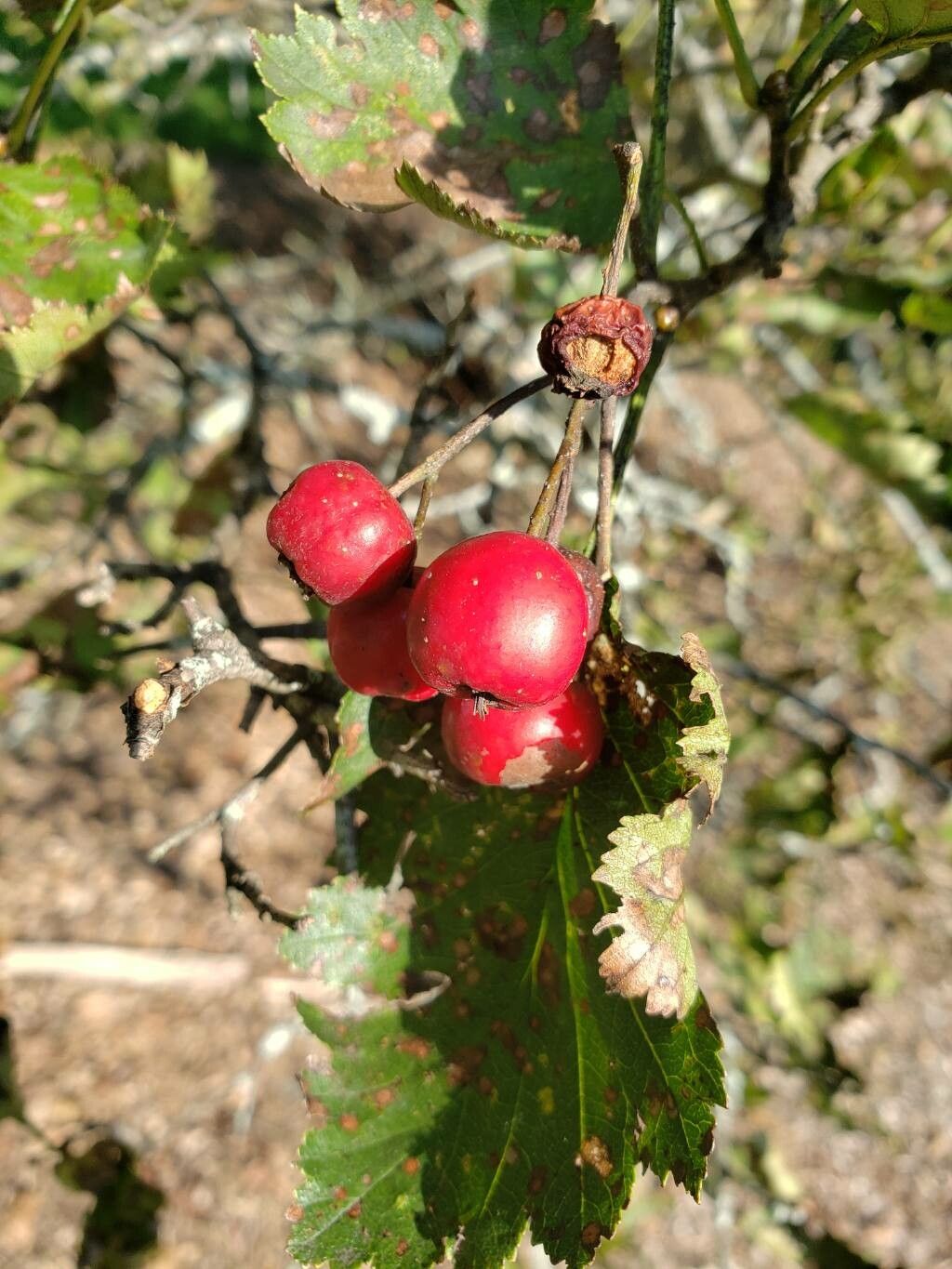
Unlocking the Secrets to Propagating the Rare and Wonderful Crataegus irrasa
The world of hawthorns (Crataegus spp.) is filled with an astonishing array of species, each with unique charms and ecological importance. Among them, the Crataegus irrasa, sometimes called the Blanchard’s hawthorn, stands out as a captivating but lesser-known gem. Native to a limited region in the eastern United States, this small tree or shrub boasts beautiful blooms, vibrant fall foliage, and ecological value as a food source for wildlife.
If you’re interested in cultivating this rare beauty, understanding its propagation methods is key. While it presents some challenges, the rewards of successfully growing your own Crataegus irrasa are well worth the effort.
Method 1: The Patience of Seed Propagation
Let’s be upfront: propagating Crataegus irrasa from seed requires a healthy dose of patience. The seeds exhibit embryonic dormancy, which, in simpler terms, means they need a bit of a wake-up call before they germinate.
Here’s a breakdown of the process:
- Seed Collection and Cleaning: Collect ripe fruits (haws) in the fall and extract the seeds. Clean off any remaining fruit pulp to prevent fungal growth.
- Cold Stratification: Here’s the “wake-up call.” Mimic winter conditions by storing the seeds in a moist medium (like sand or peat moss) at a low temperature (around 34-41°F or 1-5°C) for a period of at least 90 days, and ideally longer.
- Sowing: In spring, sow the stratified seeds in seed trays or pots filled with a well-draining seed starting mix.
- Patience is Key: Germination can be slow and sporadic, taking anywhere from a few weeks to a year or more.
Method 2: Taking the Fast Track with Cuttings
If you’re looking for quicker results, propagating Crataegus irrasa from cuttings might be a more appealing option. This method utilizes the plant’s natural ability to regenerate from stem segments.
Here’s how it’s done:
- Timing is Crucial: Take hardwood cuttings from dormant wood in late fall or early winter after leaf drop.
- Selecting the Right Cuttings: Choose healthy, pencil-thick stems. Cuttings should be around 6-8 inches long with at least 3-4 nodes (bumps where leaves were attached).
- Hormone Boost: While not strictly necessary, dipping the cut end in rooting hormone powder can significantly improve success rates.
- Creating the Ideal Environment: Plant the cuttings in a well-draining rooting medium (like a mix of perlite and peat moss). Keep the medium consistently moist and maintain a humid environment by covering the cuttings with a plastic bag or using a propagation dome.
- Signs of Success: Root development generally occurs in several weeks. You’ll know your cuttings are thriving when you see new growth emerging.
Nurturing Your Crataegus irrasa
Whether you’ve chosen the path of seed or cuttings, providing proper care is crucial for your Crataegus irrasa to flourish:
- Sunlight: Plant in a location that receives full sun to partial shade.
- Soil: Well-draining soil is essential to prevent root rot.
- Watering: Water regularly, especially during the first year, but avoid overwatering.
- Pruning: Prune in late winter or early spring to maintain shape and remove any dead or diseased branches.
By embracing patience and understanding the unique propagation needs of this special plant, you can play a role in conserving the remarkable Crataegus irrasa for generations to come.