
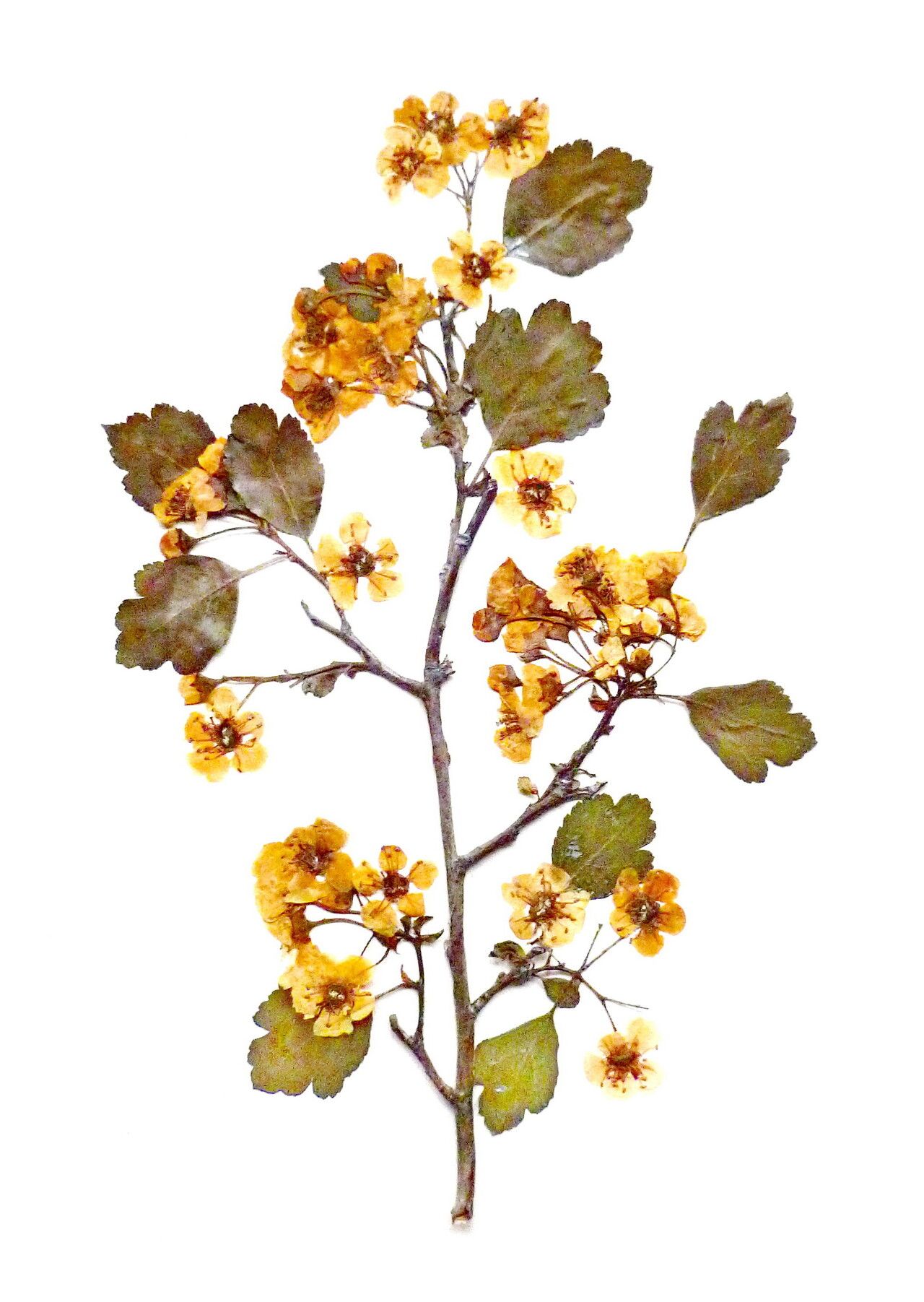
Propagating Crataegus marshallii: A Gardener’s Guide to the Parsley Hawthorn
Crataegus marshallii, commonly known as Parsley Hawthorn, is a deciduous shrub or small tree prized for its delicate, fern-like foliage and abundant, showy white flowers followed by small, bright red pomes in the fall. Its attractive form and tolerance of various soil conditions have made it a popular choice among gardeners seeking a low-maintenance, yet aesthetically pleasing addition to their landscapes. However, propagating this species presents unique challenges, making successful cultivation a rewarding experience for the dedicated plant enthusiast.
Seed Germination:
Currently, there are no known reliable methods for seed germination propagation of Crataegus marshallii. While the seeds are viable, they possess significant dormancy which is difficult to overcome with standard stratification techniques. The hard seed coat and the need for specific environmental cues seem to hinder germination success consistently. Further research into specific pre-treatment methods may be warranted before this becomes a practical propagation technique.
Cuttings:
Propagating Crataegus marshallii through cuttings shows moderate success rates, especially with semi-hardwood cuttings taken in late summer or early autumn.
Challenges: Root formation can be slow and inconsistent. The success rate depends highly on proper sanitation techniques to prevent fungal infections and the use of rooting hormones.
Practical Tips: Take 4-6 inch cuttings from non-flowering shoots, removing lower leaves. Dip the cut ends in a rooting hormone solution before planting them in a well-draining, soilless mix such as perlite and peat moss. Maintain high humidity by covering the cuttings with a plastic dome or humidity propagator. Consistent bottom heat can also improve rooting success.
Rewards: Cuttings offer a relatively straightforward approach to creating genetically identical plants to the mother plant, preserving desirable traits. It is good for propagating specific cultivars with unique characteristics.
Division:
Division is generally not a viable propagation method for Crataegus marshallii. While some species of hawthorn can be divided, the fibrous root system of Crataegus marshallii makes separation of established plants difficult and often results in damage to the parent plant and poor survival rates for the divided portions.
Tissue Culture:
Tissue culture presents a potentially effective method, though it is technically demanding and requires specialized equipment and expertise.
Challenges: Establishing aseptic conditions is crucial to prevent contamination. Developing an effective medium that promotes growth and shoot multiplication requires fine-tuning.
Practical Tips: This method would involve sterilizing plant tissues, culturing them on nutrient agar, and then transferring shoots to rooting medium.
Rewards: Tissue culture offers a method to rapidly multiply elite selections and disease-free plants. This method is useful for large-scale preservation and propagation of genetic material.
Conclusion:
Propagating Crataegus marshallii presents unique challenges across all methods. Seed germination is currently unreliable, division is impractical, and while cuttings offer a moderate success rate, tissue culture represents a more complex, albeit potentially more efficient, solution for large-scale or commercial propagation. Overcoming these challenges, however, yields immense satisfaction. The knowledge gained from successfully nurturing these cuttings or mastering the intricacies of tissue culture provides a deep connection to the plant’s life cycle. For the enthusiastic gardener, the effort invested in successfully propagating Parsley Hawthorn is well rewarded by the beauty and longevity of this charming native tree or shrub. Don’t be discouraged by the initial difficulties—perseverance and patience are key to success.