
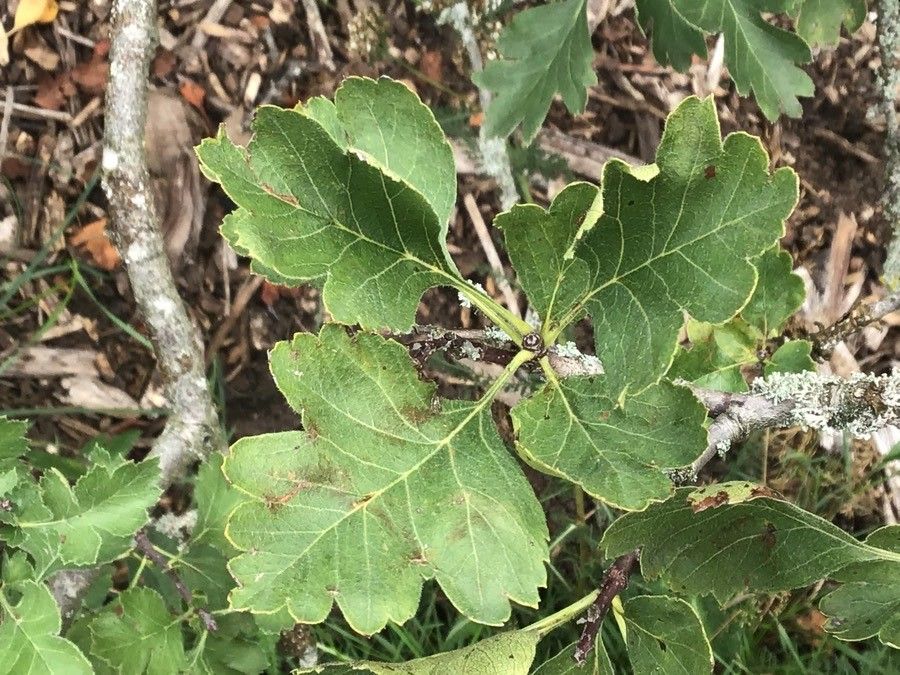
Unveiling the Secrets of Crataegus Meyeri Propagation: From Seed to Sturdy Sapling
The Crataegus meyeri, also known as the Meyer’s Hawthorn, is a captivating tree renowned for its vibrant spring blossoms, lush foliage, and striking fall colors. If you’re looking to add this beautiful specimen to your garden, understanding its propagation methods is key. While acquiring a sapling from a nursery is always an option, there’s a unique sense of accomplishment in nurturing a plant from its earliest stages.
This guide dives deep into the world of Crataegus meyeri propagation, exploring two primary methods:
1. Seed Propagation: A Test of Patience and Persistence
Propagating Crataegus meyeri from seed is a rewarding, albeit lengthy process. Nature has equipped these seeds with a hard outer shell and internal dormancy mechanisms, designed to withstand harsh conditions. To crack the code and encourage germination, consider these steps:
- Collection and Preparation: Harvest ripe berries in autumn when they turn a deep red. Extract the seeds, clean off the fleshy pulp, and allow them to dry.
- Stratification: Mimic winter conditions by storing the seeds in a moist medium like sand or peat moss inside a refrigerator (around 4°C) for 60-90 days. This cold stratification breaks down the seed coat and stimulates germination.
- Sowing: In spring, sow the stratified seeds in a seed tray filled with well-draining seed-starting mix. Plant them about 1 inch deep and provide consistent moisture and warmth (around 20-25°C).
- Patience is Key: Be prepared for a waiting game. Germination can take anywhere from a few weeks to several months. Once seedlings emerge and have a few sets of true leaves, they can be transplanted into individual pots.
2. Cutting Propagation: A Faster Path to Success
For a quicker and often more reliable method, propagating Crataegus meyeri from cuttings is a viable option. This technique encourages root development from a section of a healthy, mature branch. Here’s how it’s done:
- Timing is Crucial: Take semi-hardwood cuttings in late spring or early summer when the new growth has started to mature but is still pliable.
- Cut and Prepare: Select a healthy branch and cut a 6-8 inch section just below a leaf node. Remove the leaves from the bottom third of the cutting and wound the base slightly to expose more cambium (the tissue responsible for root formation).
- Hormone Boost: Dip the wounded end in rooting hormone powder to encourage faster root development.
- Potting and Care: Plant the cutting in a pot filled with a well-draining mix of perlite, vermiculite, and peat moss. Maintain a humid environment by covering the pot with a plastic bag or using a propagation dome.
- Monitor and Transplant: Within 4-6 weeks, roots should start to form. Once the cutting shows signs of new growth, it can be transplanted into a larger pot or directly into the ground.
Worth the Effort:
No matter which propagation method you choose, the journey of nurturing a Crataegus meyeri from its nascent stages is a fulfilling experience. The sight of your very own propagated tree flourishing in your garden is a testament to your patience and green thumb. So, roll up your sleeves, choose your propagation path, and embark on this rewarding horticultural adventure!