
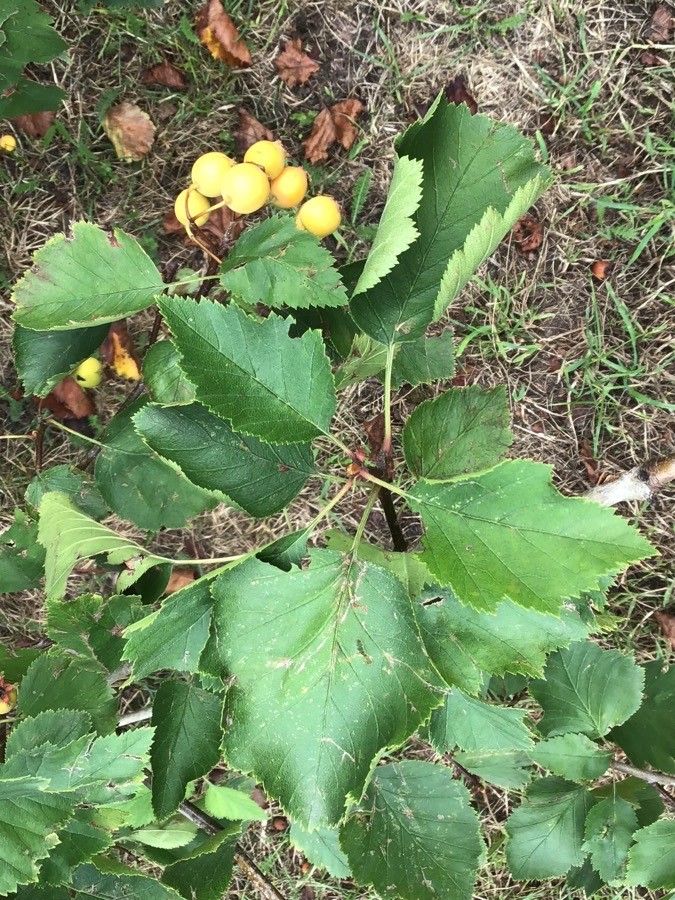
Pennsylvania Hawthorn: Propagating Beauty from Seed to Success
The Pennsylvania Hawthorn (Crataegus pennsylvanica) is a stunning native tree, boasting showy white flowers in spring, transforming into vibrant red berries in fall, and flaunting fiery orange foliage. Want to bring this beauty to your own backyard? While acquiring a sapling is an option, propagating your own Pennsylvania Hawthorn offers a deeply rewarding experience. Let’s explore the two most common methods:
Method 1: The Journey from Seed to Sprout
Propagating Pennsylvania Hawthorn from seed requires patience, but the process is relatively straightforward:
- Seed Collection (Fall): Collect mature berries in fall, after they have turned a rich red.
- Pulp Removal: Gently crush the berries and rinse away the pulp, revealing the hard seeds within.
- Stratification: Simulating Winter: This crucial step mimics winter conditions to break seed dormancy. Mix the cleaned seeds with moist sand or peat moss, seal them in a plastic bag, and store them in the refrigerator (around 40°F) for 90-120 days.
- Spring Awakening: Once the danger of frost has passed, it’s time to plant! Sow seeds about ½ inch deep in a well-drained seed starting mix. Keep the soil consistently moist but not soggy.
- Patience is Key: Germination can take several weeks or even months. During this time, provide bright, indirect light and maintain a warm environment.
- Transplanting Triumph: When seedlings are a few inches tall and have developed a strong root system, they can be transplanted to larger pots or directly into the ground. Choose a sunny location with well-drained soil.
Method 2: Branching Out with Cuttings:
Propagating from cuttings offers a faster route to a mature plant:
- Timing is Everything: Take hardwood cuttings in late fall or early winter, after the leaves have fallen.
- Selecting the Perfect Cutting: Choose healthy, mature branches (about pencil thickness) and cut them into 6-8 inch sections.
- Hormone Boost: Dip the cut end of each section in rooting hormone powder to encourage root development.
- Creating the Nursery: Plant the cuttings in a pot filled with a well-draining potting mix, ensuring at least two nodes are buried beneath the surface.
- Moisture Matters: Maintain consistently moist soil and provide indirect sunlight.
- Root Development: Within several weeks, roots should begin to form. You can gently tug on the cutting to check for resistance, a sign that roots are developing.
- Transplant Time: Once a robust root system develops (usually by the following spring), the cuttings can be transplanted to larger pots or their permanent location in the garden.
Tips for Propagation Success:
- Patience: Both methods require patience. Be prepared to wait several months to a year for significant growth.
- Hygiene: Clean your tools and containers before and after use to prevent the spread of plant diseases.
- Sunlight & Water: Provide adequate sunlight and water while avoiding overwatering, which can lead to root rot.
- Pest Control: Watch for pests and treat them promptly.
Propagating your own Pennsylvania Hawthorn is a rewarding process that connects you directly with the life cycle of this beautiful native tree. With patience and dedication, you can cultivate vibrant, long-lasting additions to your landscape while contributing to the biodiversity of your environment.