
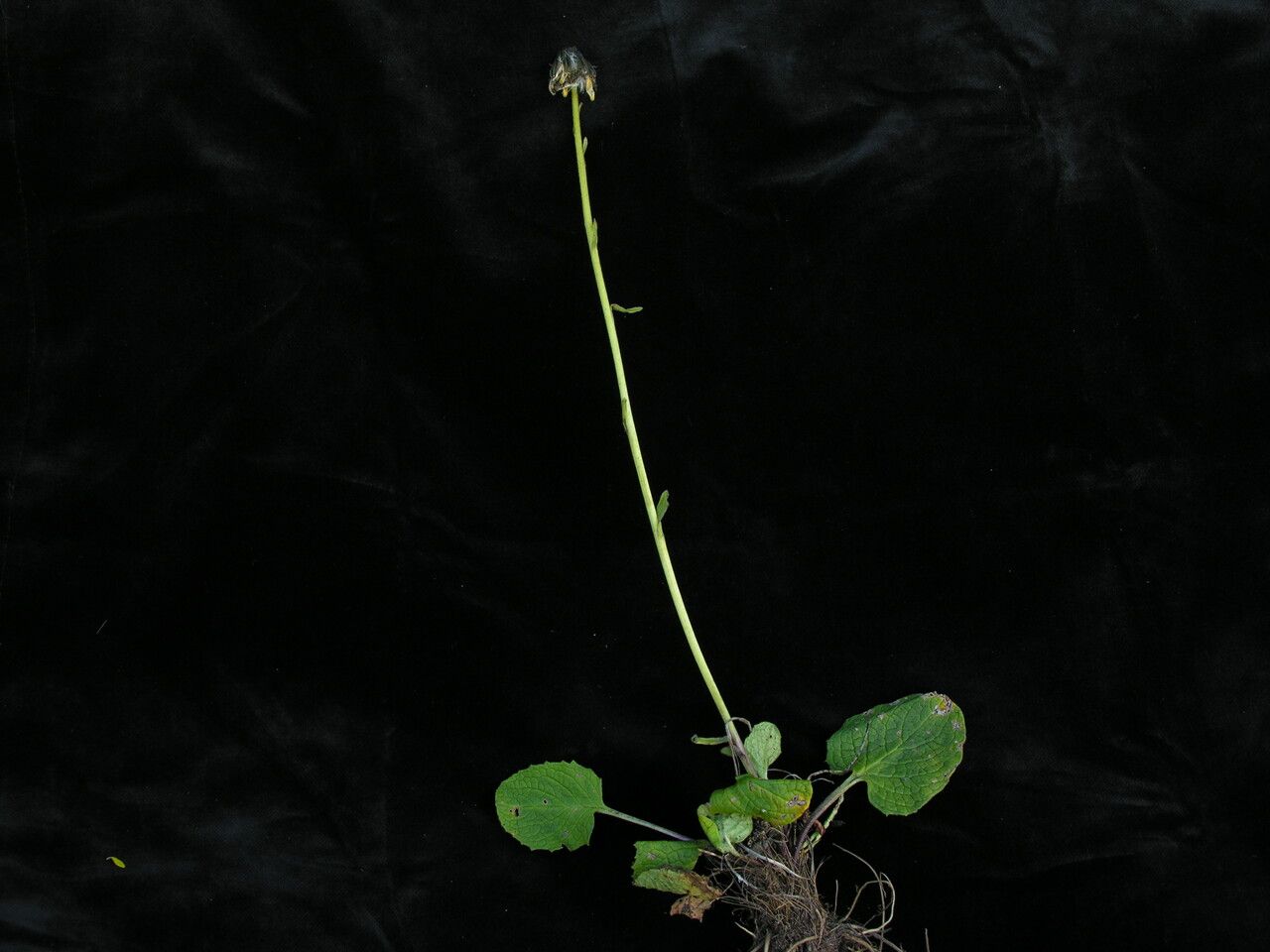
Propagating Cremanthodium oblongatum: A Gardener’s Challenge and Reward
Cremanthodium oblongatum, also known as the Himalayan yellow daisy, is a captivating alpine plant prized for its striking, bright yellow flower heads and robust, rosette-like foliage. Its captivating beauty has made it a sought-after addition to rock gardens and alpine houses, though its propagation presents a unique set of challenges. This article explores the various methods available for propagating this magnificent species, weighing their viability and effectiveness.
Seed Germination:
Currently, there are no known reliable methods for seed germination propagation of Cremanthodium oblongatum. While seeds may be produced, their germination rate is extremely low, and successful cultivation from seed remains largely undocumented. Further research into specific germination requirements, such as light exposure, temperature, and potential stratification needs, is required.
Cuttings:
Propagating Cremanthodium oblongatum from cuttings presents significant challenges. Initial attempts at stem or leaf cuttings have yielded minimal success. The plant’s physiology likely hinders root development from cuttings. The low success rate is likely due to a combination of factors, including the plant’s slow growth rate and potentially difficult-to-root tissues. Furthermore, the high susceptibility to fungal diseases during propagation is another significant barrier.
Division:
Division offers the most reliable method for propagating Cremanthodium oblongatum. This technique involves carefully separating established clumps into smaller, independent plants, each possessing its own root system.
- Challenges: Cremanthodium oblongatum generally has a slow rate of growth and doesn’t produce many offsets. Careful division is crucial to avoid damaging the fragile root systems, which are susceptible to rot post-division. The time-sensitive nature of plant division, usually requiring the right time of year, may limit success.
- Tips: Division is best performed in early spring or autumn, before or after the main growth period. Use sharp, clean tools to avoid introducing pathogens. Ensure each division contains a healthy portion of roots and foliage. Plant the divisions immediately after separating and provide well-drained soil and consistent moisture, but avoid overwatering.
- Rewards: This method guarantees high success rates, producing genetically identical plants to the mother plant, ensuring the preservation of desirable characteristics. Division enables the relatively quick multiplication of a prized specimen within a reasonable timeframe.
Tissue Culture:
Tissue culture propagation is a potentially viable, albeit complex, option. This advanced method requires specialized equipment, sterile conditions, and expertise in plant tissue culture techniques.
- Challenges: Establishing a successful protocol for Cremanthodium oblongatum would require extensive experimentation to identify the optimal plant growth regulators and suitable culture media. The process is expensive and time-consuming.
- Tips: Professional laboratories specializing in rare or endangered plant propagation should be consulted.
- Rewards: Tissue culture offers the potential for large-scale propagation and the generation of disease-free plantlets, preserving genetic resources.
Conclusion:
Propagating Cremanthodium oblongatum is undoubtedly a challenging endeavor. While seed germination remains largely unviable and cuttings offer minimal success, division proves the most practical method for the home gardener seeking to increase their stock. Tissue culture, though technologically advanced, is a more viable option for professionals or researchers intending to cultivate this species on a larger scale. The rewards, however, are significant. Successfully propagating this stunning alpine plant brings a unique sense of accomplishment, reinforcing the deep connection between gardener and plant. The perseverance required to overcome these challenges makes the eventual flourishing of these Himalayan gems all the more satisfying. To aspiring propagators, we encourage patience, meticulous attention to detail, and a willingness to learn from both successes and setbacks. The beauty of Cremanthodium oblongatum makes the effort more than worthwhile.