
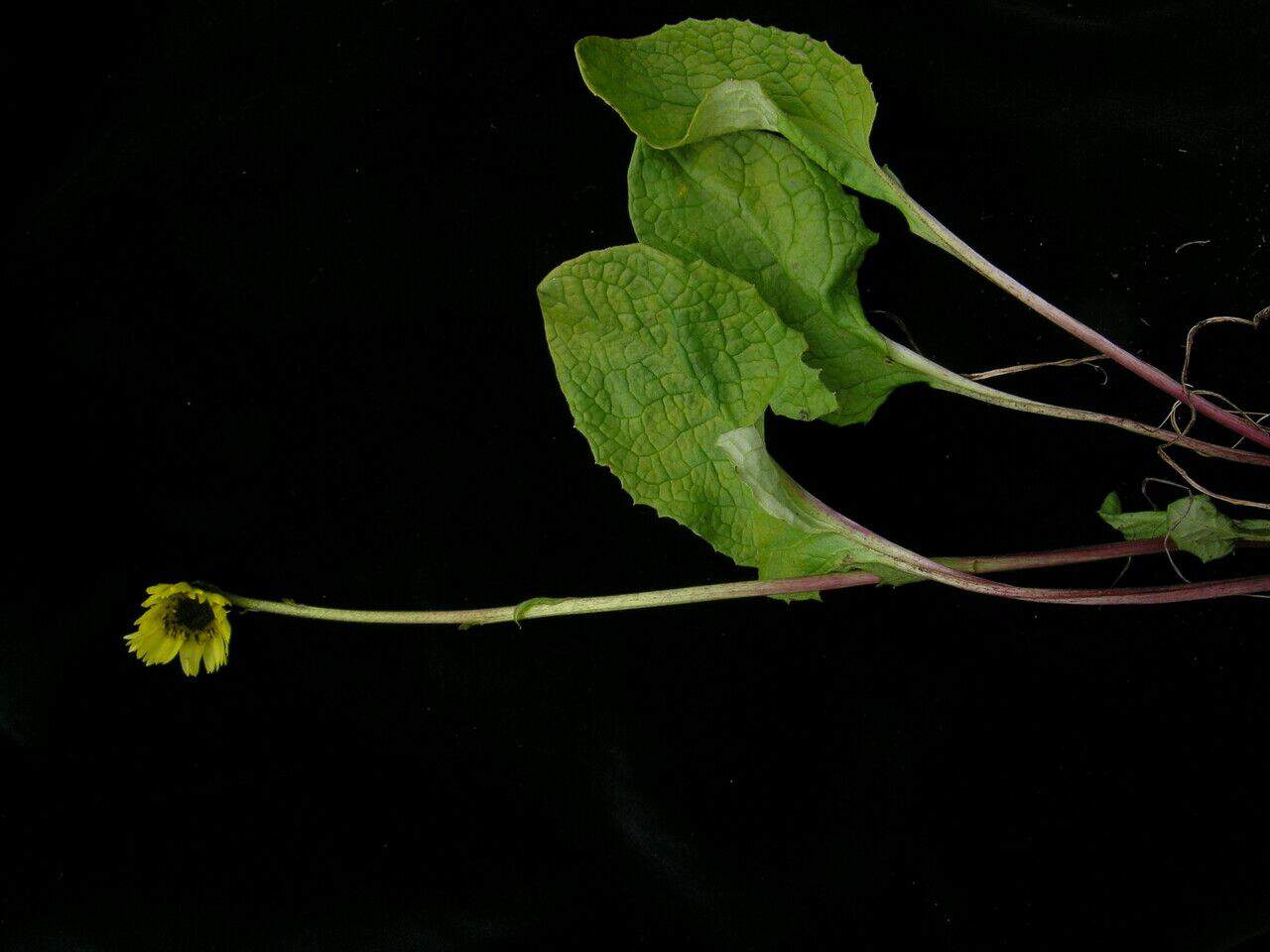
Unveiling the Secrets of Cremanthodium oblongatum Propagation: A Guide for Growing this Alpine Treasure
The world of alpine plants is filled with unique and beautiful species that have adapted to thrive in challenging environments. Among them is Cremanthodium oblongatum, a captivating plant native to the high altitudes of the Himalayas. With its charming yellow daisy-like flowers and distinctive foliage, it’s a captivating addition to any rock garden or alpine trough. While growing this species presents some unique challenges, this guide will unlock the secrets of successful Cremanthodium oblongatum propagation, allowing you to cultivate this alpine treasure.
Understanding the Basics
Cremanthodium oblongatum is a member of the Asteraceae family, known for its daisy-like blooms. This species prefers cool, well-drained soil and partial shade, mimicking its natural habitat. Before diving into propagation, it’s essential to understand the two primary methods:
- The Challenge: Seeds of Cremanthodium oblongatum can be challenging to source and often exhibit irregular germination rates.
- Best Time: Ideally sown in late winter or early spring.
- The Process:
- Use a well-draining seed starting mix, preferably one amended with perlite and vermiculite.
- Surface sow the seeds and lightly press them into the mix.
- Mist the soil and cover the container with a plastic dome or wrap to maintain humidity.
- Place the container in a cool, bright location out of direct sunlight.
- Be patient! Germination can be erratic and may take several weeks to months.
- Once seedlings are large enough to handle, carefully transplant them into individual pots.
2. Division
- Ideal Time: Early spring, just as new growth emerges.
- The Process:
- Carefully lift a mature plant from its container or the ground.
- Gently tease apart sections of the plant, ensuring each division has a good root system and several growth points.
- Replant divisions into individual pots or directly into the garden, using a well-draining soil mix.
- Water thoroughly and provide shade for the first few days to allow the divisions to establish.
Tips for Success
- Patience is Key: Cremanthodium oblongatum can be a slow-growing species, so don’t be discouraged if you don’t see rapid results.
- Mimic the Mountain Habitat: Provide a cool, well-drained environment, and avoid excessive heat and humidity.
- Well-Draining Soil is Crucial: Heavy, poorly drained soil can lead to root rot.
- Monitor for Pests and Diseases: While generally hardy, keep an eye out for common garden pests and diseases.
- Don’t Overwater: Allow the soil to dry out slightly between waterings.
Propagating Cremanthodium oblongatum may require some dedication and patience, but the rewards are well worth the effort. By following these tips, you can increase your chances of success and enjoy the unique beauty of this alpine gem for years to come. Remember, cultivating these rare species helps preserve their existence for future generations of plant enthusiasts.