
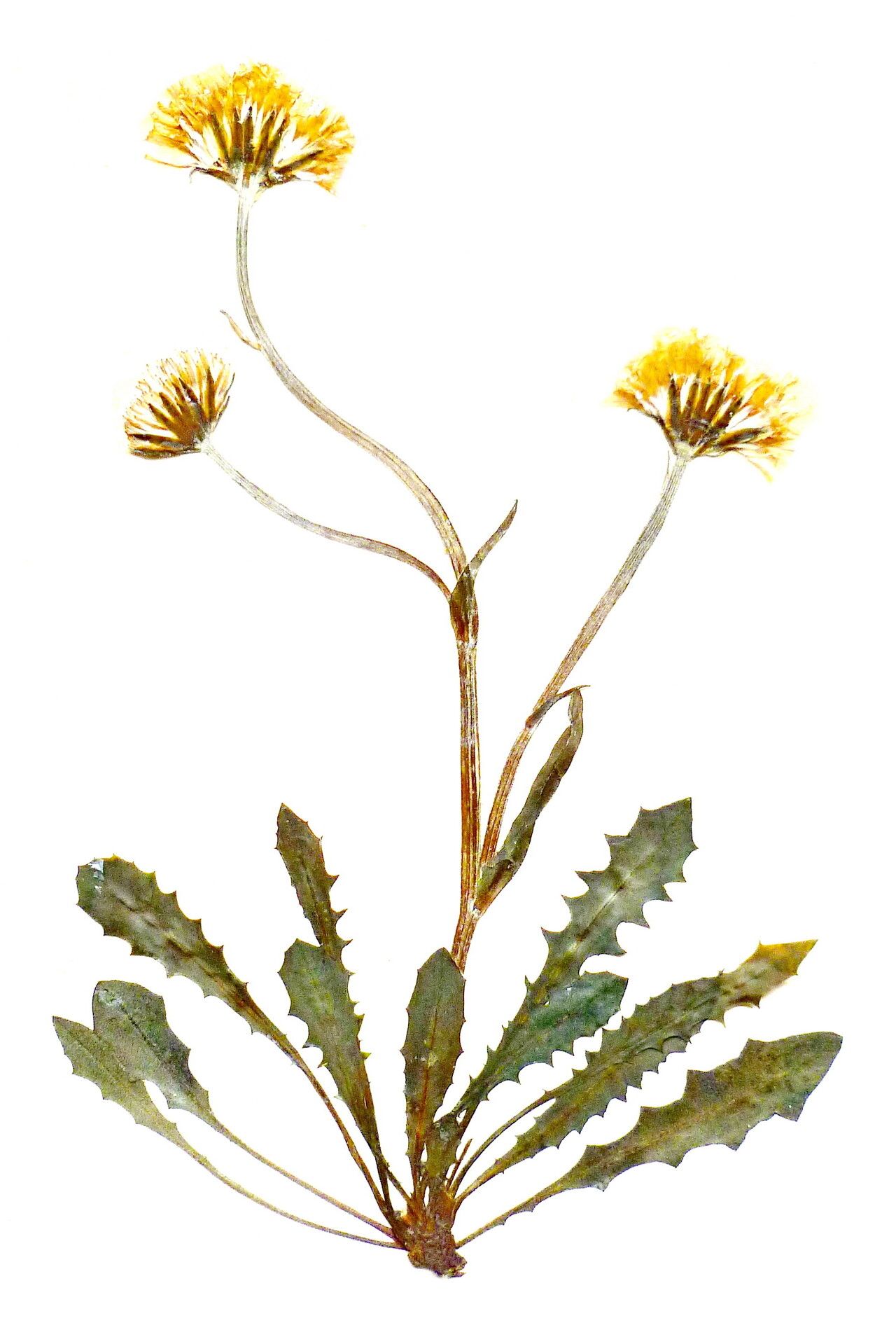
Conquering the Alpine Peaks: A Guide to Propagating Crepis alpestris
Crepis alpestris, the charming Alpine Hawksbeard, brings a touch of mountain meadow magic to gardens with its sunny, dandelion-like blooms. Native to the high altitudes of Europe, this hardy perennial thrives in rock gardens, borders, and even container plantings. Ready to invite this alpine beauty into your own outdoor space? Let’s explore the simple yet rewarding process of propagating Crepis alpestris.
Seeds: Starting Your Alpine Adventure
The most common and straightforward method for propagating Crepis alpestris is through seeds. Here’s how to get started:
1. Seed Collection: If you’re lucky enough to already have a Crepis alpestris plant, you can collect seeds from the spent flower heads in late summer or early fall. Look for fluffy, white seed heads resembling miniature dandelion clocks.
2. Sowing Time: Alpine Hawksbeard seeds benefit from a period of cold stratification to improve germination rates. Sow seeds in late fall or early winter, directly into prepared garden beds or seed trays filled with well-draining seed starting mix.
3. Sowing Depth and Care: Lightly press the seeds onto the surface of the soil, ensuring they make good contact but aren’t buried deeply. Water gently and keep the soil consistently moist but not waterlogged.
4. Germination: Be patient! Crepis alpestris seeds may take several weeks to germinate, with sprouts appearing in late winter or early spring. Once seedlings have developed a few sets of true leaves, you can thin them out, leaving the strongest ones to flourish.
Division: Multiplying Your Alpine Treasures
Mature Crepis alpestris plants can also be propagated through division, a method often preferred for maintaining the characteristics of specific cultivars. Here’s how:
1. Timing is Key: Divide established clumps in early spring or late fall when the plant is dormant or just beginning to show new growth.
2. Digging Deep: Carefully lift the entire plant from the ground using a garden fork or spade. Ensure you dig a wide circle around the plant to minimize root disturbance.
3. Dividing with Care: Gently tease apart the plant’s root system, either by hand or with a sharp, clean knife. Each division should have a good amount of healthy roots and several growth points.
4. Replanting: Immediately replant the divisions in their new locations, ensuring the crown of the plant is level with the soil surface. Water well and provide consistent moisture as the divisions establish themselves.
Caring for Your New Alpine Recruits:
Crepis alpestris thrives in full sun to partial shade and prefers well-drained soil with a neutral to slightly alkaline pH. Water regularly, especially during dry periods, but avoid overwatering, which can lead to root rot. Deadhead spent blooms to encourage continuous flowering and to prevent self-seeding if desired.
Propagating your own Crepis alpestris is a rewarding endeavor that allows you to expand your garden’s beauty while connecting with the natural cycle of this resilient alpine charmer. Whether you prefer the rewarding journey from seed to bloom or the immediate gratification of plant division, Crepis alpestris is a wonderful addition to any gardener’s collection.