
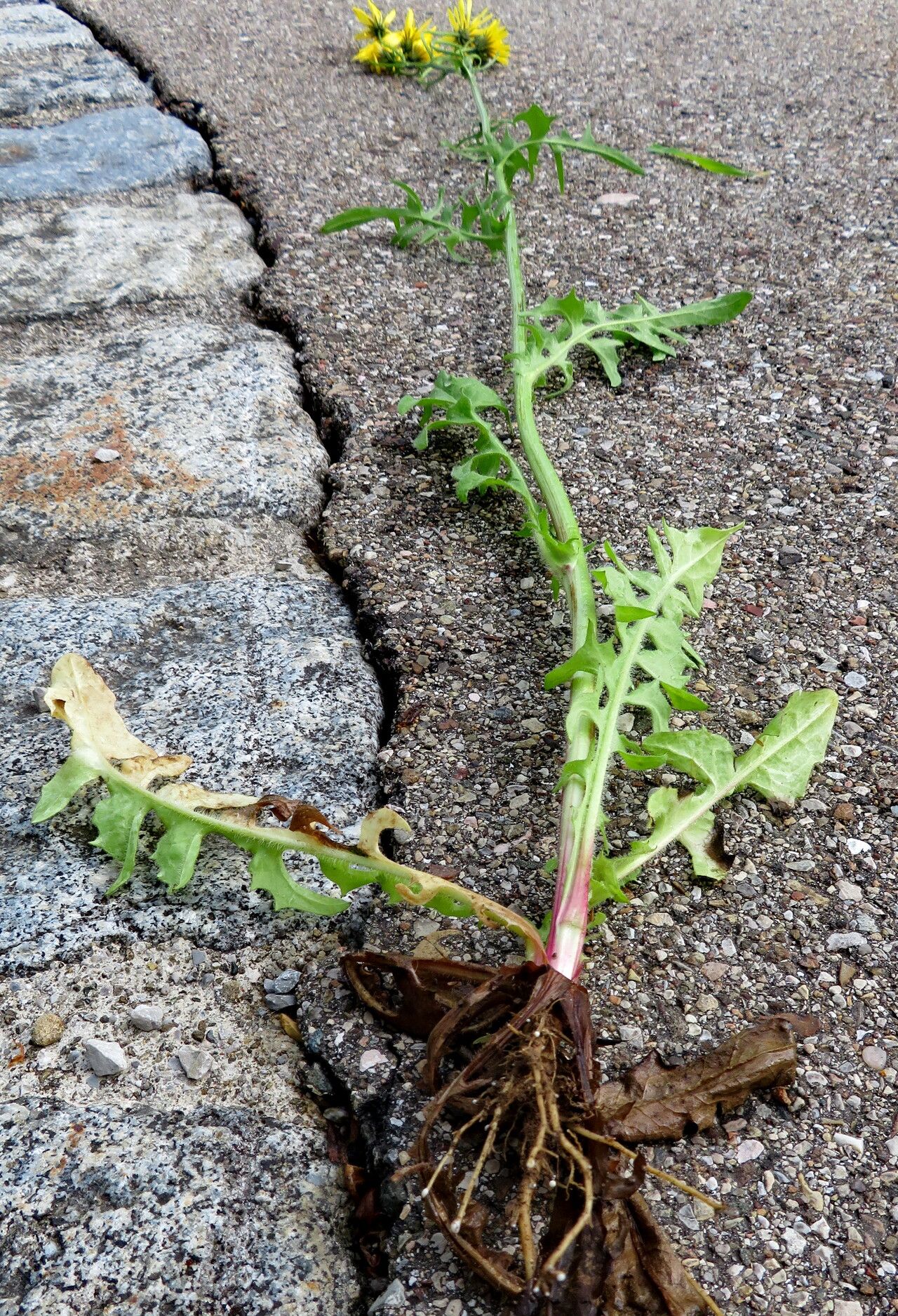
Doubling Down on Dandelions? Propagating the Rough Hawkbit (Crepis biennis)
The Rough Hawkbit, or Crepis biennis, may sound like a creature from a fantasy novel, but it’s actually a wildflower known for its bright yellow, dandelion-esque blooms. While often dismissed as a weed, this biennial plant can add a touch of wild charm to meadows, borders, and naturalistic gardens. Intrigued? Let’s delve into the world of propagating Crepis biennis!
Seed Starting: Embracing the Scatter Approach
Crepis biennis replicates itself primarily through seeds, employing a rather effective “scatter-shot” method. In its second year, the plant produces an abundance of seeds, each attached to a fluffy parachute similar to a dandelion. These feathery structures catch the wind, dispersing the seeds far and wide.
Want to replicate this natural process? You have two options:
- Direct Sowing: In the fall or early spring, simply scatter seeds on prepared soil. Gently press them into the surface, ensuring good contact but avoiding burying them too deeply.
- Starting Indoors: For a head start, sow seeds in seed trays about 6-8 weeks before the last expected frost. Use a well-draining seed starting mix and sprinkle a few seeds per cell. Transplant seedlings outdoors after the danger of frost has passed.
Division: Less Common, Still Effective
While seed propagation reigns supreme with Crepis biennis, division offers an alternative, albeit less predictable, method for mature plants. Here’s how:
- Timing is Key: Divide plants in early spring or fall when the weather is cooler and the soil is moist.
- Divide and Conquer: Carefully dig up the plant, ensuring you retain as much of the root system as possible. Using a sharp, clean knife or garden spade, divide the plant into sections, each containing a healthy portion of roots and leaves.
- Replant and Nurture: Replant the divisions at the same depth they were previously growing and water thoroughly. Keep the soil consistently moist as the divisions establish themselves.
Caring for Your Hawkbit: Tips for Success
Whether you choose seeds or division, Crepis biennis is relatively low-maintenance. Here’s what you need to know:
- Soil and Sunlight: Well-draining soil is essential, while full sun to partial shade will suffice.
- Watering: Water regularly after planting, allowing the soil to dry slightly between waterings. Established plants are relatively drought tolerant.
- Deadheading (Optional): To encourage more blooms and prevent excessive self-seeding, consider removing spent flower heads.
A Word of Caution: Crepis biennis can be quite prolific. If you’re concerned about it spreading too aggressively, consider planting it in a contained area or deadheading spent flowers diligently.
By embracing the natural propagation techniques of Crepis biennis, you can readily welcome this cheerful wildflower into your garden. Just remember, a little patience and a touch of nurturing will go a long way!